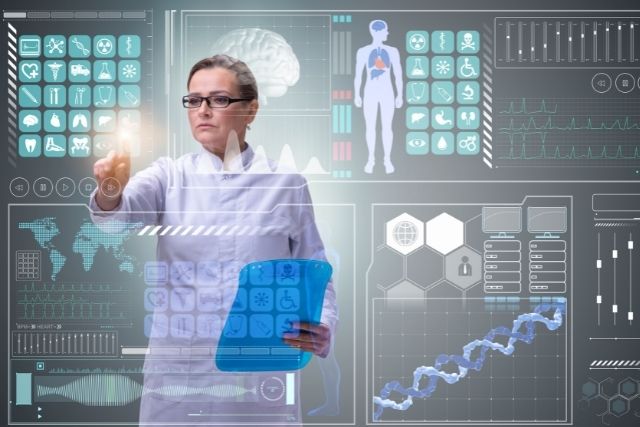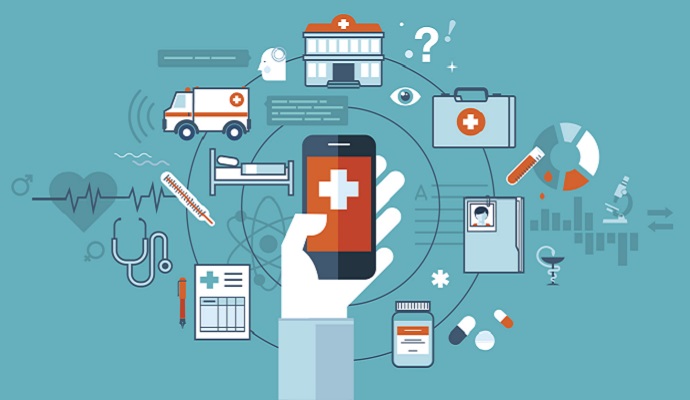




Healthcare is transforming at a fast pace. Modern hospitals expand beyond traditional clinical skills and infrastructure. They serve as sophisticated engineering ecosystems with innovation, intelligence, and digital technology. Advances like AI diagnostics, surgical robotics, smart infrastructure, and patient monitoring systems redefine the delivery, management, and experience of care.
To keep pace with rising expectations, and to further value-based healthcare with better results and reduced resource use, hospitals deploy next-generation technology to improve their ability to provide safe, effective, and efficient patient-centered care.
The future of healthcare is in today’s engineering.
Smart Hospitals: The Intelligent Healthcare Ecosystem
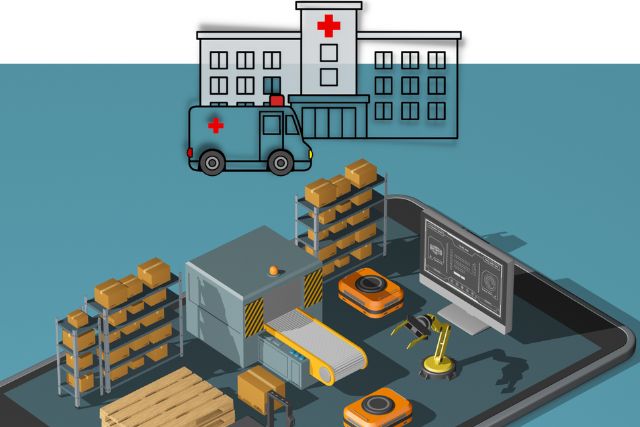
Today’s hospitals are complex engineering ecosystems where devices, systems, and clinical workflows communicate and integrate in real-time. Smart hospitals use advanced engineering and digital technology to optimize all facets of care delivery and hospital operations.
These smart, intelligent healthcare facilities utilize:
- Connected medical devices
- Automated patient monitoring
- Integrated electronic health records
- Smart asset tracking
- Advanced HVAC and energy systems
- AI-based clinical decision systems
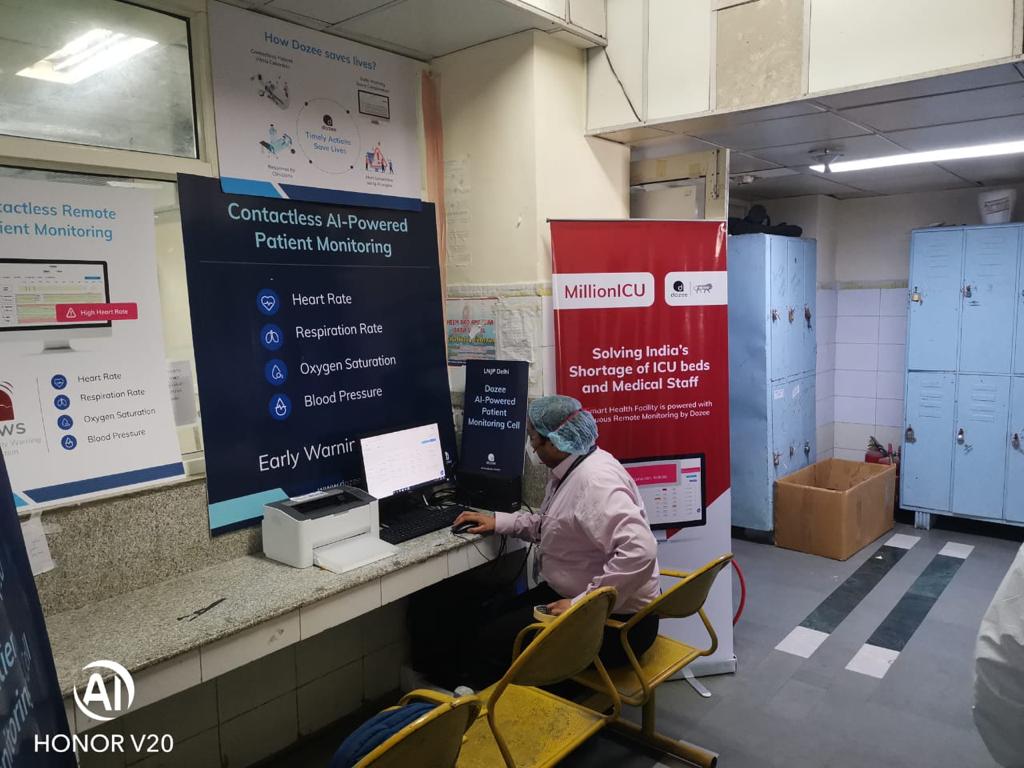
- Contactless patient management
These technologies increase operational efficiency, reduce delays, improve communication, and eliminate medical errors. Hospitals are embracing digital command centers for real-time monitoring of patient flow, bed and equipment status, and emergency management. Innovation is engineering hospitals from care delivery that is reactive to systems that are proactive and data-driven.
Augmenting Clinical Excellence with Artificial Intelligence
Artificial Intelligence (AI) has rapidly advanced in the last few years and is now an invaluable asset in the engineering of healthcare systems. AI technologies enable healthcare professionals to not only improve the efficiency of healthcare systems, but also provide faster and more accurate decisions and diagnoses.
Application of AI technologies in healthcare systems helps with:
- The analysis of medical images
- Patient monitoring
- The automation of clinical workflows
- The detection of illnesses
- Alerts for ICU patients
- Health virtual assistants
- Automation of clinical documentation
AI technologies in Radiology allows for the identification of abnormalities within medical images, thus expediting the diagnosis and treatment planning. In the context of critical care, AI technologies use complex analytics to interpret and predict small and subtle changes to patient vitals before a patient’s condition deteriorates.
AI Technologies will enhance rather than disrupt the clinical professions by shifting the burden of clinical documentation to smart automation and create a positive impact on patient care.
Transforming Patient Care and Surgery with Robotics
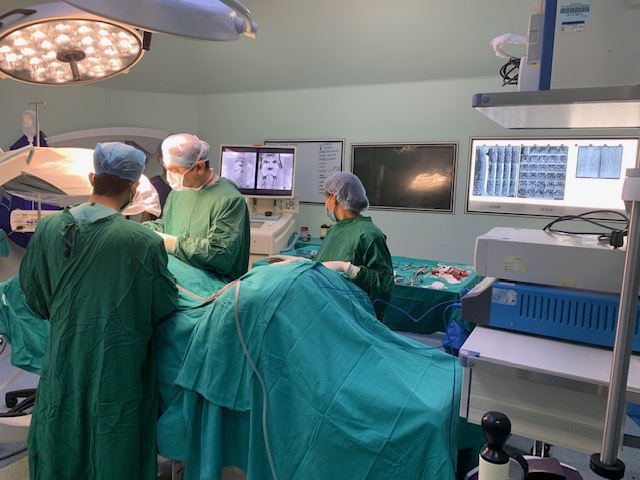
Engineering Technologies are transforming patient care and the emergency of post-surgical recovery. Robotic Engineering for surgery has proven to enhance visualization and improve surgical dexterity for less invasive techniques with a reduction in the complications and length of stay for patients in hospital.
Enhancements in modern technologies have led to the use of robotics for:
- Less invasive surgical techniques
- Precision surgeries in Orthopedics
- Robotic assisted therapy
- Pharmacy robotics
- Robo logistics
- Robo sterilization and disinfection
Robotic Surgery is transforming Urology, Cardiac, Gynecology and Neurosurgery.
Automation is transforming healthcare systems as it reduces manual work and integrates workflows within departments.
Engineering the Future of Critical Care
The future of critical care promises the integration of new technologies and engineering techniques into incubators and intelligent connected environments that will allow clinicians to deliver faster interventions, continuous monitoring, and individualized management in real time.
Some advancements in critical care technology include:
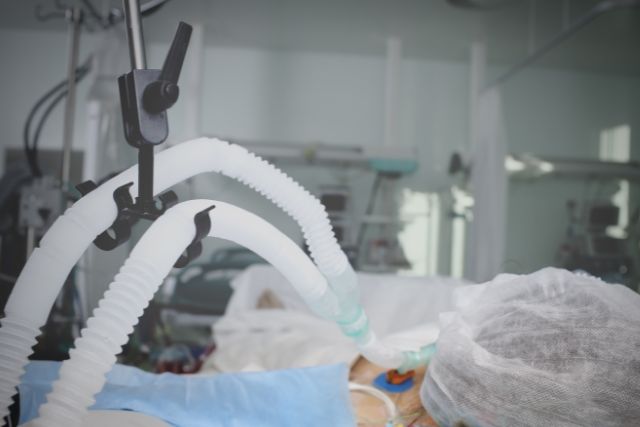
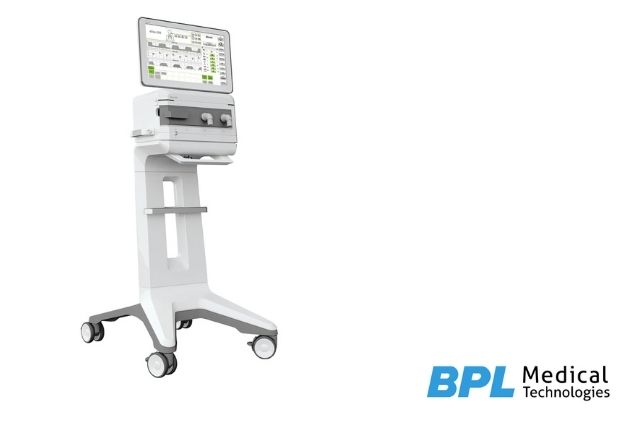
- Smart ventilators.
- Patient monitoring systems that function without wires.
- AI-driven notices.
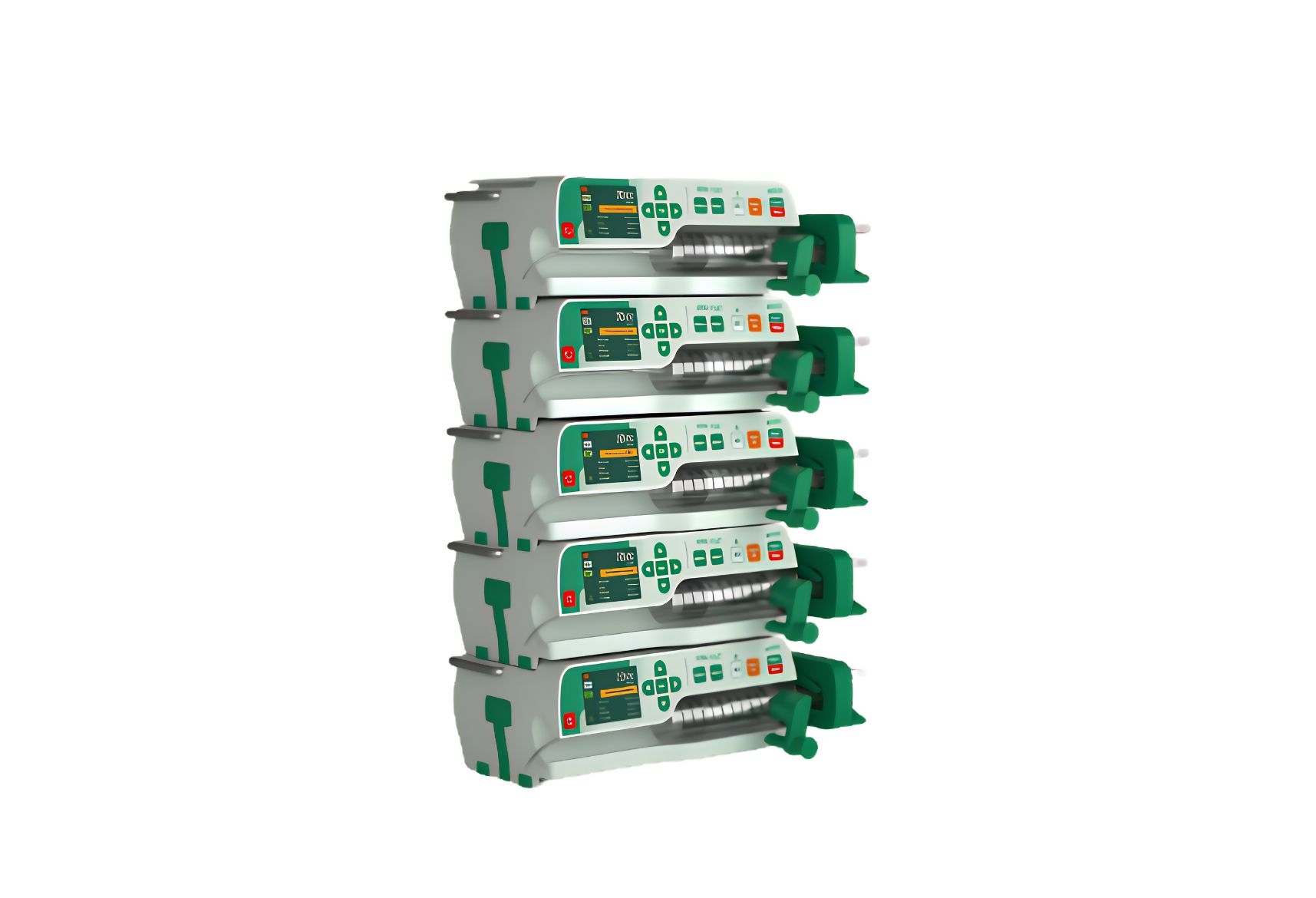
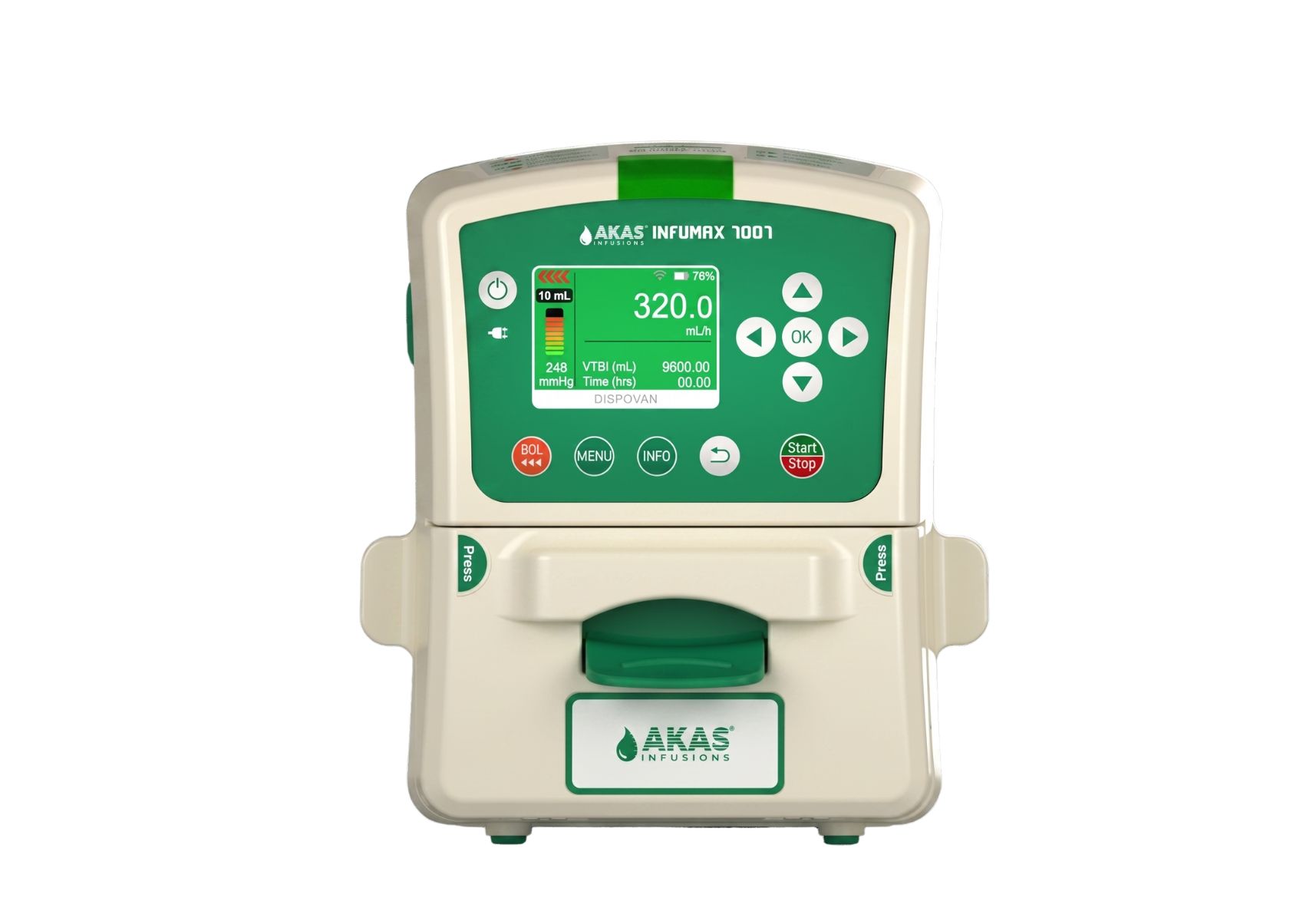
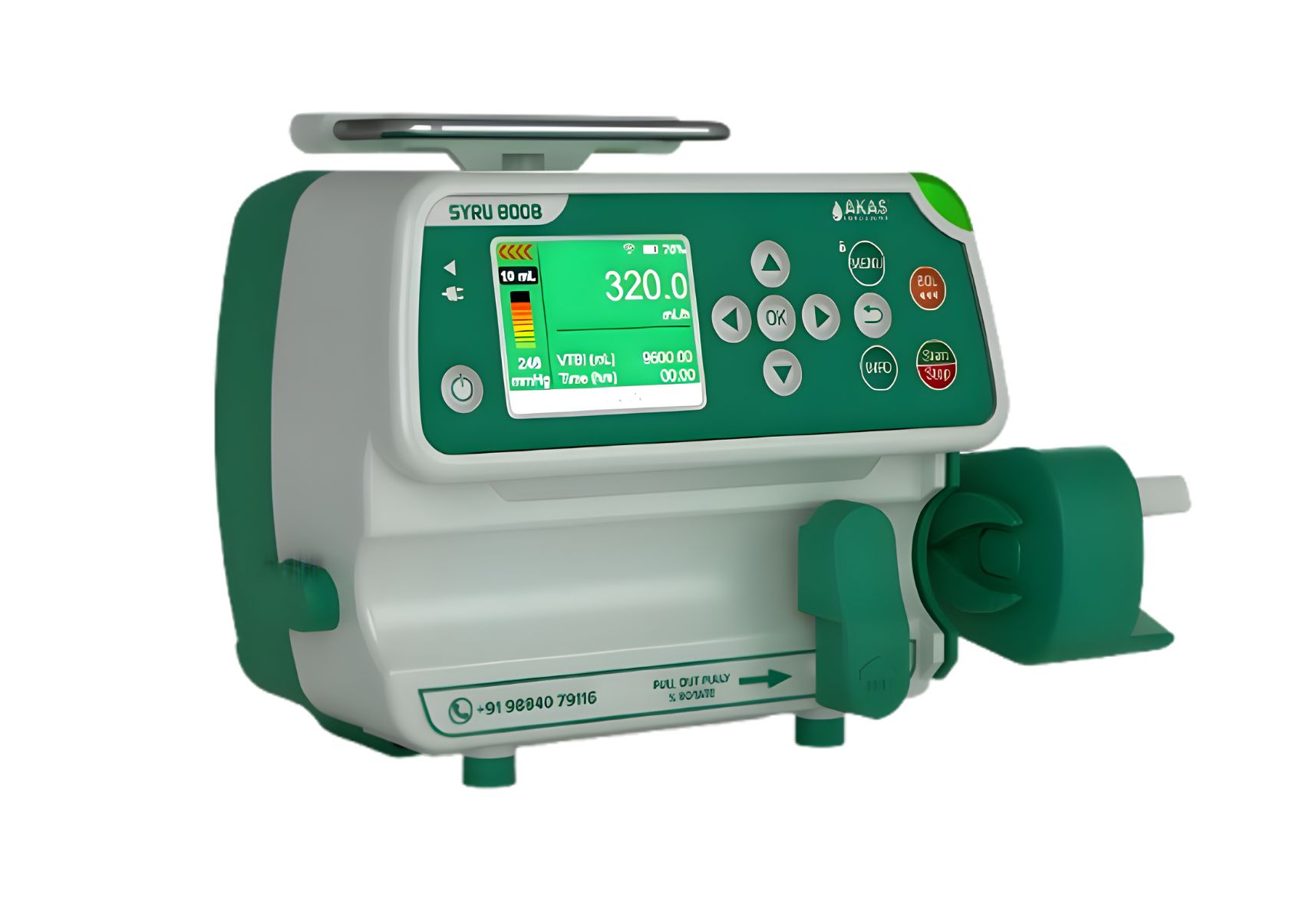
- Infusion pump technology that is integrated.
- Management of ICUs from a distance.
- Dashboards that analyze patient data instantaneously.
The development of technology to manage ICUs from a distance is increasing the availability of care, as intensivists can now oversee patients in multiple hospitals.
These developments enhance clinical care and allow healthcare systems to better staff and allocate their resources.
Diagnostics: Improved Speed and Efficiency
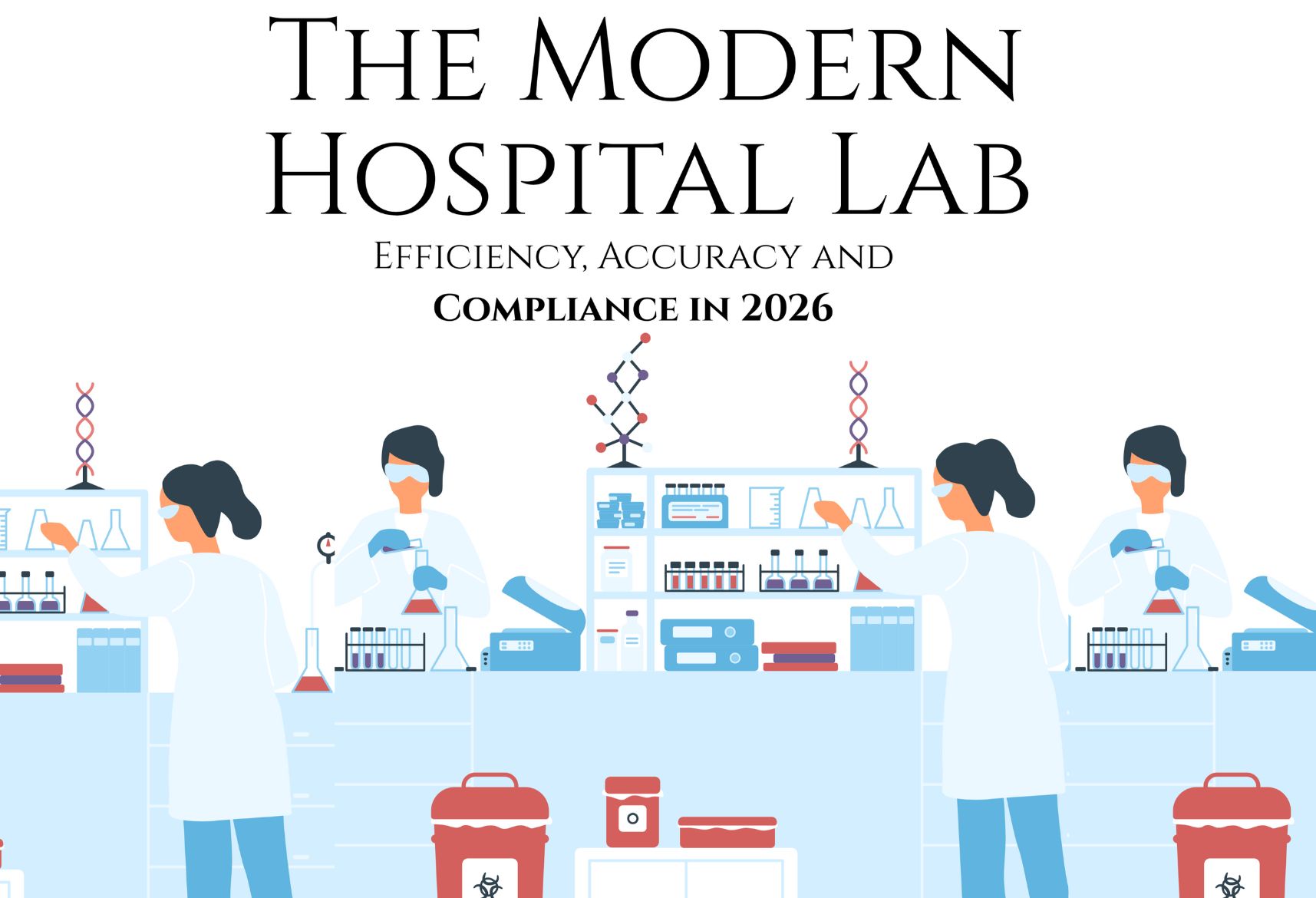
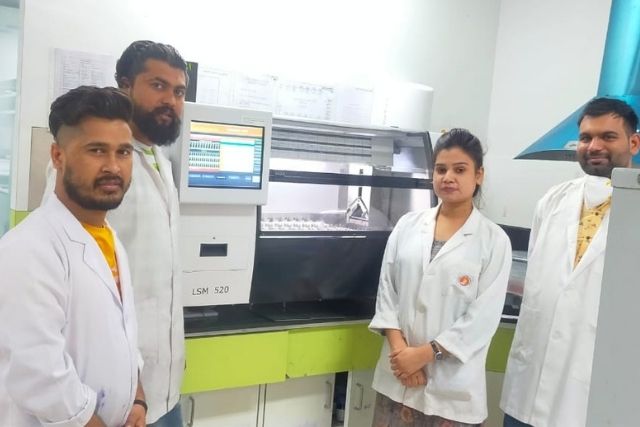
Engineering developments in laboratory diagnostics are creating quicker, more efficient, and more voluminous laboratory tests and automated systems, digital pathology, and molecular diagnostics are leading to greater/preci visual efficiency in pathology and diagnostics.
Some changes to efficiencies in diagnostics include:
- High-throughput laboratory automation.
- Digital imaging for pathology.
- AI for interpreting images of pathology and diagnostics.
- Diagnostics available at the point of care.
- Molecular diagnostics.
- Diagnostics enhanced by the use of cloud computing.
The use of rapid diagnostics is becoming more common in the assessment of emergency medicine, rapidly identifying pathogenic agents, Oncology and Personalizing.
The function of engineering within laboratory innovation is enhancing the clinician’s ability to make important diagnostic and treatment decisions, which will ultimately improve patient outcomes.
Evolution of Digital Healthcare
The focus of today’s healthcare services is to complement continual improvement in the quality of clinical care with continual improvement in the quality of patient experience.
The following innovations drive patient engagement:
- Mobile healthcare applications.
- Self-service, digital patient registration.
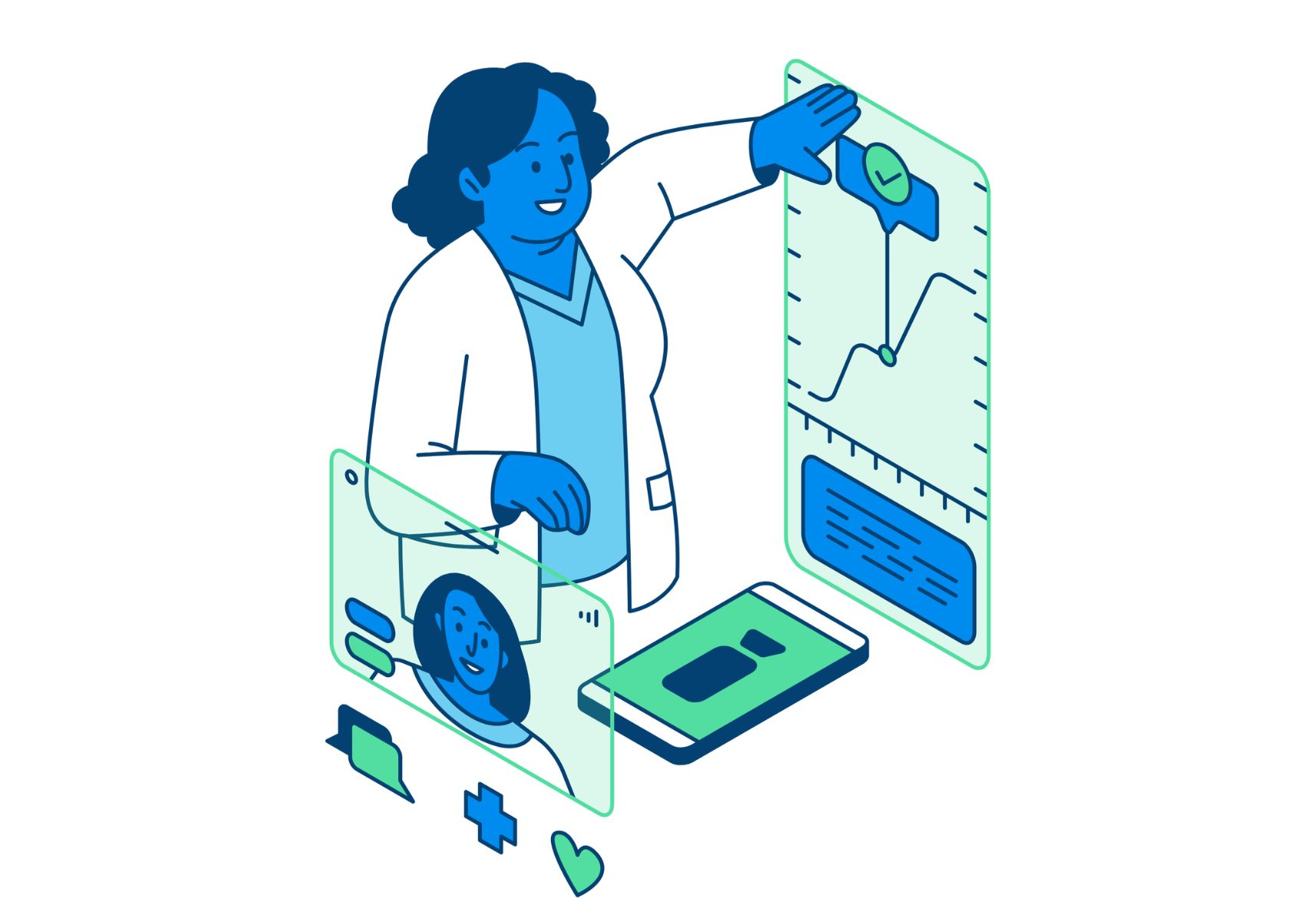
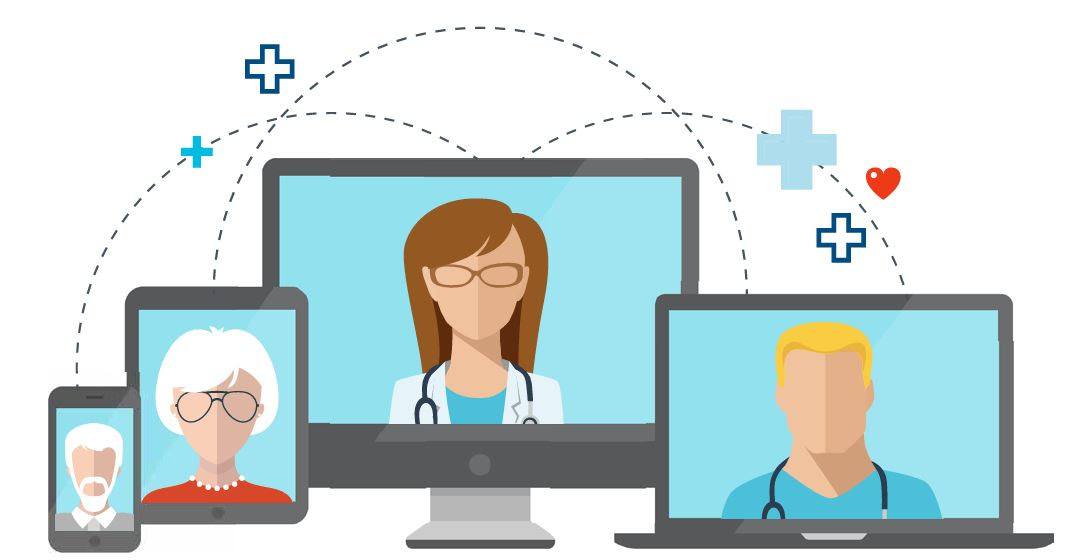
- Virtual consultations.
- Remote health monitoring.
- Smart hospital navigation.
- Tailored communication platforms.
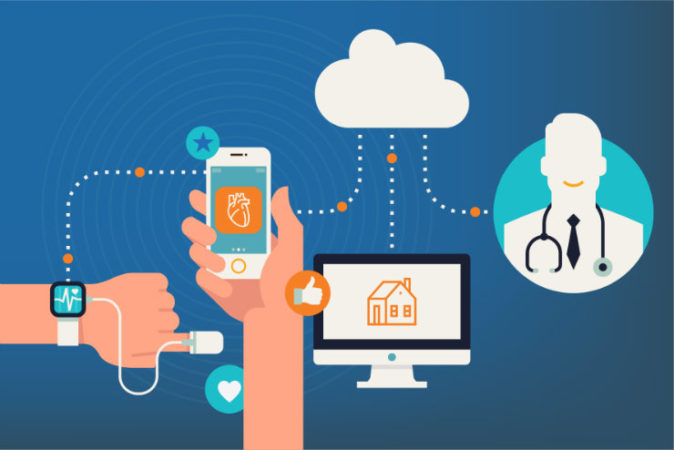
Wrapping health devices and wearable tech help monitor health remotely and aid in preventive and chronic health management.
The future hospital design is based on needs and convenience for patients and is complemented with technological advances.
Engineering a Sustainable Future for Hospitals
The focus on sustainability for engineering solutions in hospital and health care systems has shifted. As hospitals strive to implement more sustainable and smart practices to lower their operational waste and consumption of energy the following health innovations are becoming common place:
- Energy-efficient healthcare systems
- Smart healthcare solutions
- Health systems centered around conservation
- Solutions to better manage the healthcare system’s waste
- Solar-powered healthcare solutions
The engineering of sustainable health services is a positive practice to manage the costs of health delivery and improve the health system
Digital Safety for Hospitals
Securing digital hospital systems while remaining connected is the challenge of our time. The engineering of health systems is to create safe, connected health services for digital systems and to safeguard health services.
These practices will be seen:
- Advanced systems of encryption
- Safe digital interfaces
- Smart health systems
- Automated health systems
- Digital health networks
The systems and services of health care must be trusted and safe. It is essential in sustaining equity in the delivery of healthcare.
Future Horizons of Engineered Care
Tomorrow’s healthcare facilities will integrate advanced architecture, medicine, and automation powered by AI. They will predict the health needs of individuals, provide tailored healthcare solutions, and support real-time, seamless connections among all stakeholders.
Technologies like digital twins, AR-assisted surgeries, nanotechnology, robotics, and AI will markedly improve healthcare services in the near future.
Engineering is no longer hidden in the background of healthcare. It is an apparent cornerstone of evolving patient care, diagnostics, hospital design and infrastructure, and critical care services.
Amid leading innovation, the discontinuity of health and technology in our world will be resolved by engineered, intelligent, and empathetic care systems.