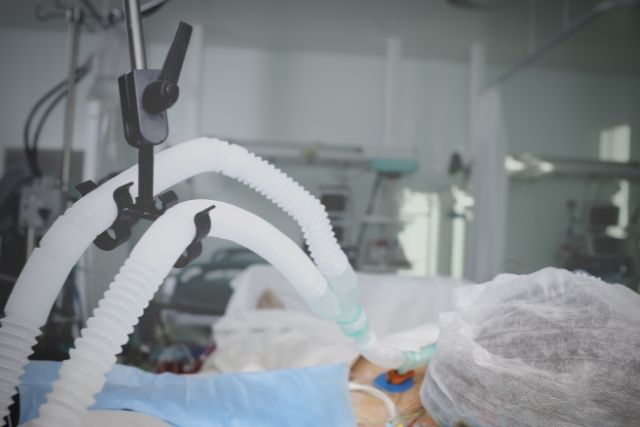



In respiratory and anaesthesia equipment, an understanding of breathing circuits can go a long way. However, from a manufacturing perspective, a breathing circuit is made of a combination of several components that need to be assembled in a reliable manner to function under defined operating conditions.
An OEM-focused perspective on materials, manufacturing, integration and reusable respiratory solutions.
The choice of silicone, the design of the tube, the method of joining components and the choice of connectors are some factors that influence the final product.
Over the years, one thing has been apparent to us, the development of a reliable respiratory circuit is more than manufacturing a tube. This is because manufacturing a reliable respiratory circuit is also dependent on the understanding of the application, the right choice of material, and the selection of the right manufacturing process for the components.
At Ami Polymer, the knowledge and experience we have in processing silicone has given us the ability to understand respiratory products as integrated systems as opposed to a collection of individual components. We work in conjunction with OEMs to manufacture respiratory components (breathing tubes) and other respiratory and anaesthesia products based on the requirements of the OEMs.
Silicone: Understanding the Material Beyond its Basic Properties
When selecting a material for breathing tubes, various factors must be taken into account together with the inner diameter and wall thickness of the tube. The geometry of the tube and the degree of flexibility required must also be taken into account.
The tube must allow the circuit to be arranged in various positions without causing kinking or excessive deformation that would restrict the tube’s passage.
Also, the level of transparency of the tubing is an important consideration. The type of formulation and process used affect the level of transparency a product can achieve.
We select a material based on the actual requirement. We understand the requirement and the purpose of the end product to be supplied; we can then evaluate the product in question against the OEM’s criteria.
Extrusion and Moulding: Choosing the Right Process
One of the major considerations in manufacturing components of a respiratory circuit is determining the best production process.
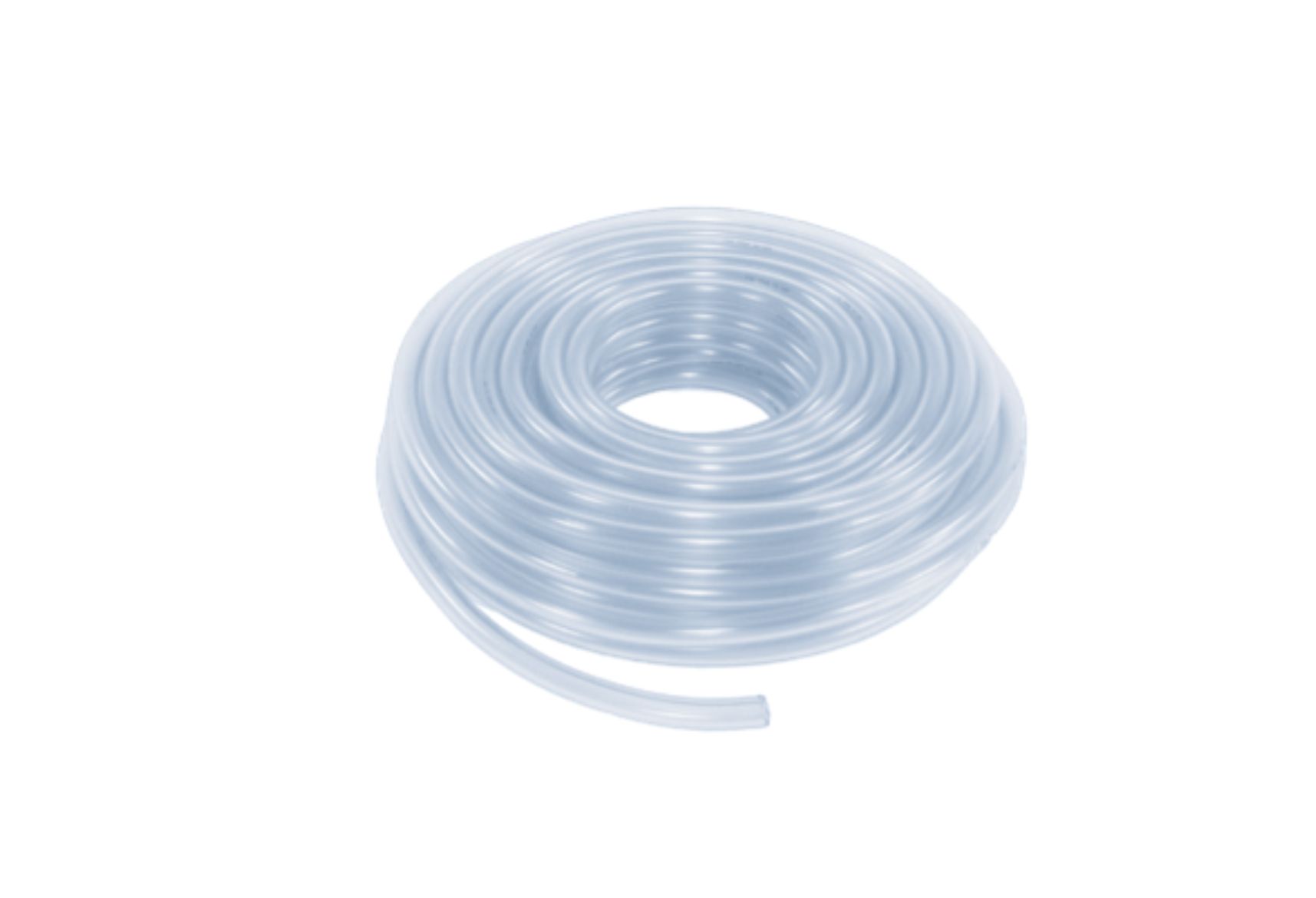
In the case of continuous tubing, extrusion offers a relatively efficient process to produce tubing to a specified size (cross-sectional dimensions) over a wide range of lengths. It can also be used to manufacture tubing with an inner diameter and outer diameter that remains uniform and constant over its length.
Moulding serves a different purpose. It is used for components that require complex shapes, connection features and/or integrated designs. In the fabrication of respiratory circuits, both manufacturing strategies (extrusion for tubing and moulding for functional components) can be deployed in conjunction. The critical aspect is to select the process that satisfies the design requirement, as opposed to producing all the components using the same method.
Overmoulded Cuffs: Rethinking Component Assembly
Overmoulding can also improve component assembly. For example, rather than separately manufacturing a cuff and using adhesive to attach it to a tube, overmoulding can be used to manufacture the cuff and integrate it to the tube.
This can simplify the assembly and eliminate the need for a separate adhesive bonding.
Overmoulding requires careful consideration of the design and the integration of various components (such as a tube and a cuff) during the product development. Although this simplifies the assembly and reduces costs, it must be evaluated to determine if the final product meets the performance requirement for integrity and leakage.
As manufacturing decisions can affect the design of a product, we believe these decisions should be made early in the OEM design process.
Connectors and Water Traps: Small Components, Big Functions
While the role of the tube in a respiratory circuit is critical, the role of the connectors and moisture-management components is equally important. They all must work in conjunction to create a complete assembly that functions effectively.
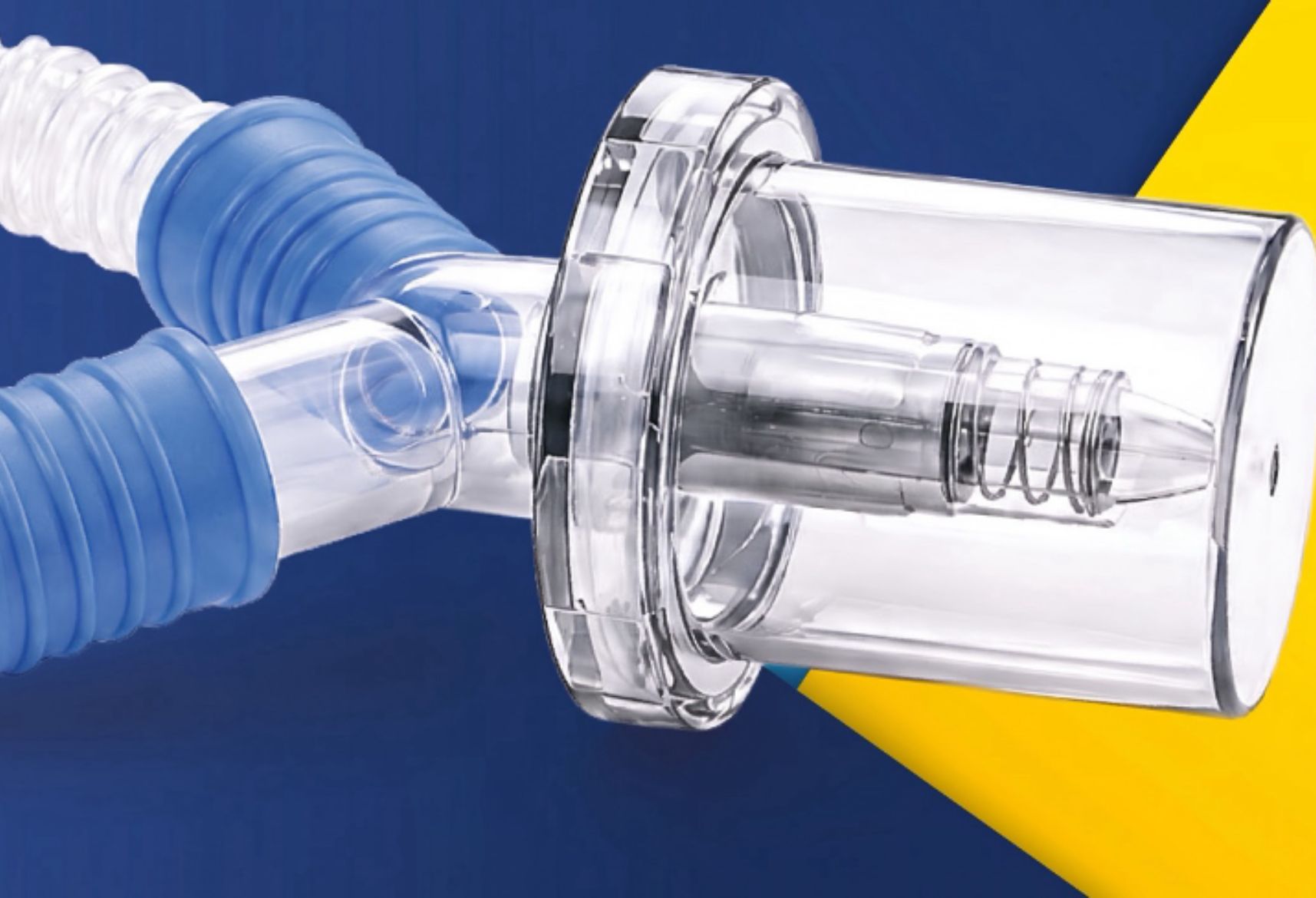
Various configurations of connectors are available to help construct the required circuit pathways and routing. Their shapes, dimensions, and connection interfaces must be compatible with the tubing and other mating components.
At Ami Polymer, we manufacture both polycarbonate and polysulfone Y connectors and elbow connectors, subject to product specification. Consideration for material selection should be based on mechanical requirements, anticipated temperature exposure, and chemical and clean/sterilize compatibility.
Reusable Silicone Breathing Circuits: Analyzing the Entire Service Life
Disposable breathing circuits offer convenience, since they are meant for single use and, therefore, do not require reprocessing between uses. However, they are single use and create waste from repeated procurement and disposal.
We provide reusable silicone breathing circuit solutions for OEM evaluation for product designs and intended uses that allow for reusability in combination with validated reprocessing.
Durable silicone does not, in itself, justify consideration for reusability. It is more important to analyze a product over its entire service life.
A reusable product, designed for multiple use, can help reduce the number of complete assemblies that must be replaced. It can also help reduce overall costs of ownership, especially in facilities where reprocessing is undertaken.
Like any medical device, the benefits associated with a reusable circuit cannot be generalized to other hospitals or applications. Total costs consist of cleaning, disinfection or sterilization, labor, inspection, storage, and eventual replacement.
The environmental impact is the result of the resources consumed during reprocessing and the actual service life of the device.
Therefore, reusable circuits must be designed and validated to withstand their intended conditions of reuse. Compatibility of the materials used, effectiveness of cleaning, microbial safety, performance and functions after reprocessing, and replacement are all considerations.
In our opinion, reusable and disposable products should be considered based on the requirements of the application. The intent is to provide OEMs alternative design approaches, while ensuring safety and quality are maintained, and validated performance is integral to the decision.
Complete Respiratory and Anaesthesia Circuits
While working with OEM manufacturers, we understand the product development process is usually to integrate several components or subassemblies versus developing a standalone component. These components can include tubing size, cuff interfaces, connectors, patient interfaces and heating systems.
We have developed products for various respiratory and anesthesia applications, including:
- Continuous length ventilator breathing tubes made from silicone.
- Tubing with overmoulded cuffs.
- Water traps for respiratory circuits.
- Y and elbow connectors in Poly-sulfone and Poly-carbonate.
- Reusable Silicone breathing tubes for validated reusable applications.
- Anaesthesia masks for their desired patient interfaces.
- Respiratory circuits for temperature management of the gas pathway.
- Catheter mounts for respiratory circuits.
Heated-wire circuits incorporate design considerations including tubing, the heating system, humidification, and electrical safety.
There are also interface and performance considerations for anesthesia masks and catheter mounts. Each component must be developed and assessed for its intended function.
Ami Polymer supporting multiple product categories allows them to partner with OEMs for broader requirements for respiratory circuits.
This provides an opportunity for manufacturers to engage with Ami Polymer for material selection, component interfaces, and assess the potential for customization and manufacturing of the product.
Quality Must Be Built Into the Complete Product
In medical device manufacturing, a process or material advantage is only meaningful when the final product meets its defined requirements.
The performance evaluation of respiratory tubing and components may include inspection for correct dimensions, transparency evaluation, kink resistance, and assessments for integrity and leaks.
The retention of connectors and flow must also be evaluated. When a component is intended for repeated use, assessment of its performance following a defined cycle of reprocessing must also be done.
The clinical application of the product must also be considered along with biologic safety, and other regulatory concerns. The finish assembly must be assessed for component compatibility.
We believe early involvement of the OEM is essential to define the requirements discussed above prior to the finalization of the tooling and manufacturing process of the product.
Identifying the intended use of the product helps define the constraints of manufacturing, opportunities for component integration and the tests needed to validate the product for its intended use.
From Component Supply to Engineering Collaboration
The respiratory industry is continuously changing and as a supplier, you need to understand both material behavior and manufacturing process. A component like tube, cuff or connector cannot be assessed in isolation when it is part of a complete respiratory system.
At Ami Polymer, when we undertake the manufacture of respiratory components, we consider the entire system. Whether the requirement is a customized extruded tubing, overmoulded cuff, water trap, connector, breathing circuit or an anesthesia mask, we evaluate the requirement based on the end use of the customer.
Our interest is to help the OEM customer develop a product that is application specific and which can be manufactured consistently and validated for the end use.
Ultimately, good respiratory circuit design comes from getting the details right: the material, the dimensions, the interfaces, the manufacturing method and the requirements of the complete assembly.
At Ami Polymer, we believe that our role extends beyond supplying silicone components. It is about working with OEM manufacturers to develop respiratory and anaesthesia solutions in which material expertise, manufacturing capability and application requirements come together.