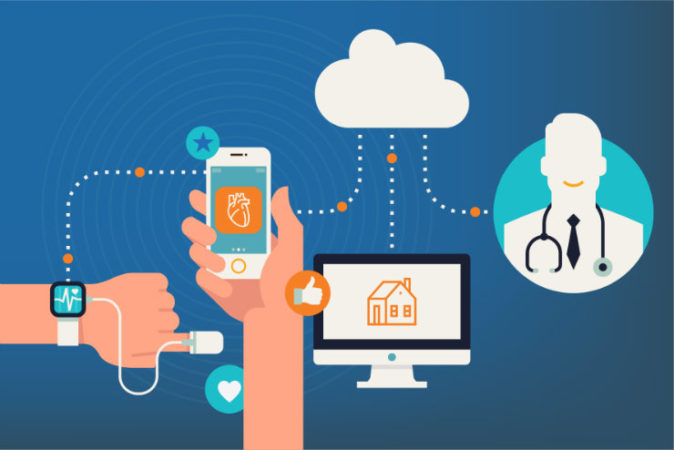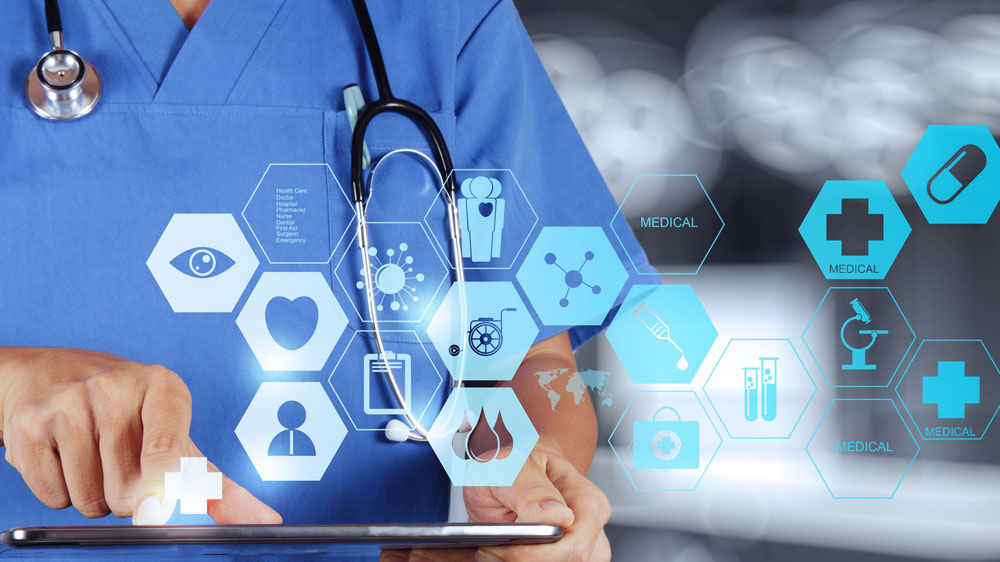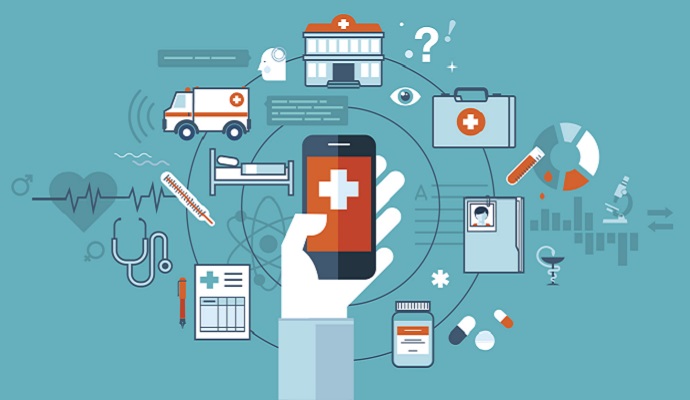



The current state of the healthcare industry indicates a massive digital transformation within the industry. Overall, the industry is experiencing rapid integration of new technologies including digital health technologies, healthcare artificial intelligence, and technologies in data analytics. Technological innovations improve the way healthcare is delivered and serviced, however, the massive transformation raises an important question. In in the value of the healthcare service, does the delivered service lose value in the degree of personal interaction received or the empathy shown by healthcare professionals?
The answer is shown in the continuing need of human touch in an integrated digital world.
The Changing of the Delivery of Healthcare.
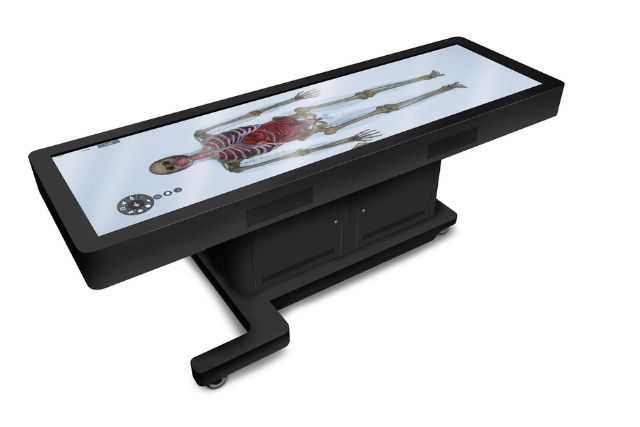
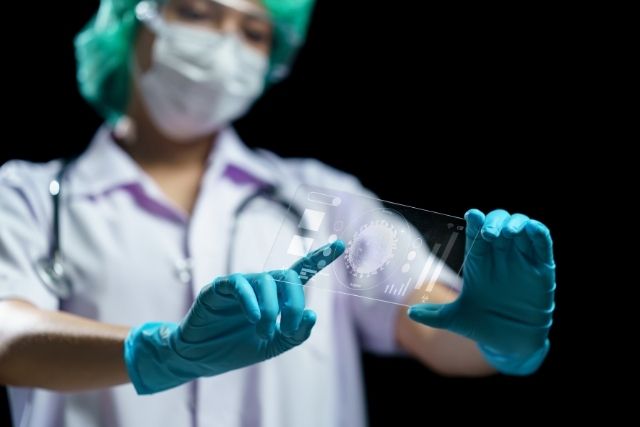
Creative technologies have been used around the world to maximize the delivery of healthcare services. New innovations and technologies used in Innovative technologies in health have demonstrated to improve the speed of healthcare service delivery and also improve the service.
Innovative techniques have been used in healthcare consulting, diagnostics, and healthcare service delivery. The newest technologies have the greatest positive impact on delivery and service within the underserved and unpopulated areas. The services and technologies used in digital healthcare solve the problems of distance and accessibility of quality healthcare.
The Pyschology in Empathy
The greatest fear of the rapid changes in the health industry is the loss of personal interaction and the compassion demonstrated by healthcare professionals. The loss of empathy and healthcare professionals and the loss of personal interaction and comping. The greatest hope is that the rapid changes in the industry does not change the human touch that is so greatly needed in the current integrated digital world.
The healthcare industry should not view empathy as a luxury; it should view it as a necessity. Research studies have shown that empathy results in increased patient satisfaction, as well as better clinical outcomes and increased adherence to clinical recommendations. The challenge will always be to make sure that technology enhances the human touch and not the other way around.
Developing Patient-Focused Technologies
Although technology can potentially harm the patient experience and take away the human touch, patient-centered technology will improve the experience and, in turn, the outcome. Simple technology, along with individualized options, and explanations will improve patient experience. Technology will not be a replacement for human contact if it acts as a support system.
Designing empathy and the experience into technology should always be the goal. Programs should always be designed to enhance the human experience. More empathy should be designed into all programs, and not a focus on impersonal programming.
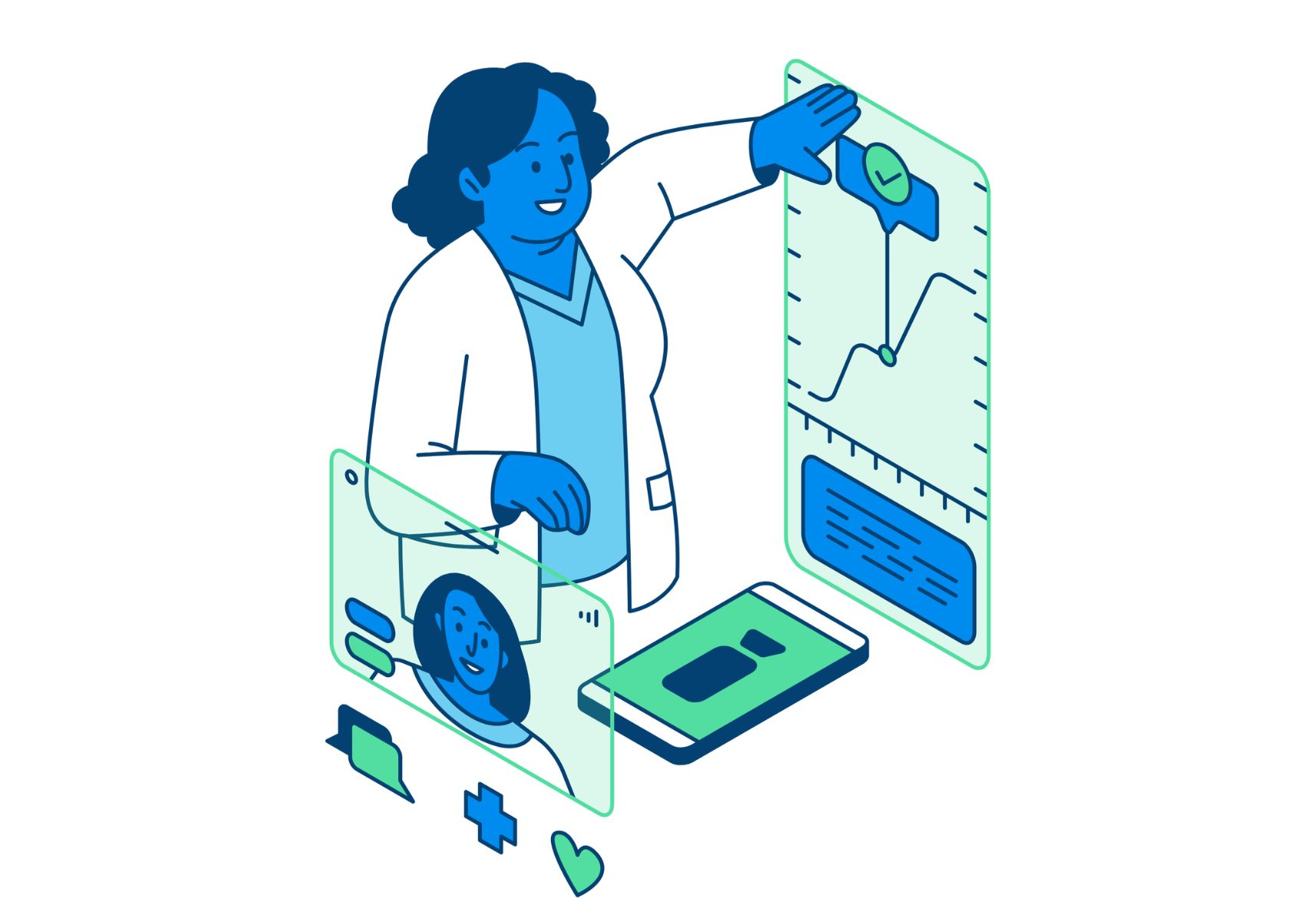
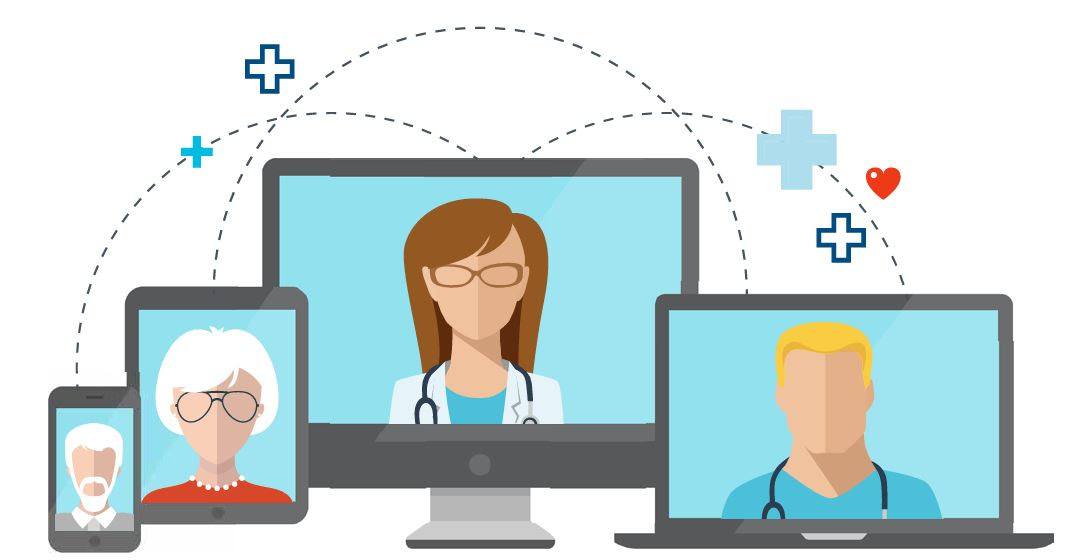
Assisting the Patient is the goal of Telehealth.
The goal of Telehealth should be to facilitate contact between the patient and healthcare provider in a meaningful way, not just to facilitate the completion of contact between the patient and healthcare provider.
Empowering Healthcare Providers
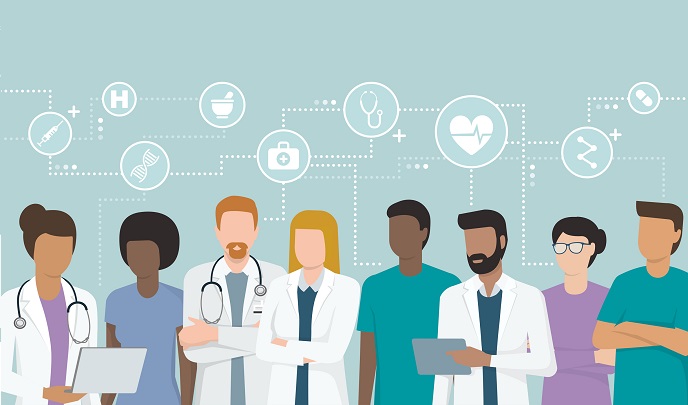
Empowering the healthcare provider is also a goal of technology. It should also focus on the healthcare provider by lessening the administrative burden and increasing the time that the healthcare providers can devote to patient care. Providing healthcare practitioners with decision support tools, care process support, and electronic health records is an effective way to support the provider and increase the human interaction between the provider and the patient.
Both awareness and training are essential. Healthcare professionals should be trained in both the technical and the empathetic aspects of the profession within digital and remote settings. The integration of efficiency and empathy must be developed consciously.
The Humanized Perspective on Data
Data drives decision making in the recent innovations in the healthcare sector. It is important to remember that every data point represents a real human being and a real human story. Healthcare professionals must be ethically transparent and prioritize the informed consent of their patients in order to maintain trust. Using data is important in making decisions; however, the individual needs and preferences of the patients should not be overlooked.
Data analytics in the field of personalized medicine opens up avenues to achieve both empathy and precision. Apart from the financing and the technology that are essential, the clinician needs to know the science of the patient’s genetic composition and the patient’s lifestyle and history in order to provide advanced and modern healthcare.
Building Trust in a Digital World
The essence of healthcare is trust. However, it becomes a real challenge to maintain trust when the digital world is used in the healthcare service delivery. The challenges of data privacy, biased algorithms, and digital service delivery systems are real and must be dealt with.
Trust can be established and maintained through open and honest communication, ethical behavior, and shared decision making with patients. Patients are more likely to become receptive to technology as an adjunct to their care when they feel listened to, treated with respect, and kept informed.
An Integrated Take on Healthcare
To most people, humanizing healthcare would mean some form of modification in the interactions of healthcare staff and patients. While it undoubtedly entails such changes, it encompasses more than just the isolated modification of human behaviors and roles. It entails the incorporation of novel technologies and value driven practices. To ensure this, all relevant parties, from technology developers, healthcare providers, policy makers, to patients themselves, must collaborate to combine all the relevant factors.
In addition to cultivating an environment of empathy, all healthcare systems must strive to integrate all processes and systems, including technology, in such a manner that all technologies, from the most advanced to the most rudimentary, provide the fullest support to the vision of empathy.
In the Future
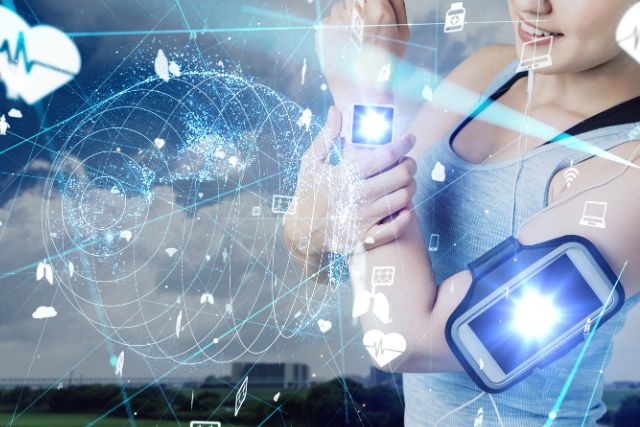
The positive changes that lie ahead for healthcare are the result of a combination of technologies. AI will help in diagnosing and managing patients. Wearable devices will ensure that all healthcare systems are operating and a holistic solution will be provided. Digital solutions will ensure the best access to healthcare, while the use of human resources will result in the least remote and most human-centered healthcare.
Redefining the healthcare system so that it truly embodies all the empathy and efficiency that is front and center is a real and achievable goal. The only irrational aspect is the effort needed to provide all the real and positive potentials.
It has surprised most people that the capacity of technology has defined the most recent development and changes in the healthcare systems. While such rapid changes are apparent, providing a human-centered focus for all the changes is a challenge that requires a massive and concerted effort.
The promise that the most positive and rapid changes will occur in technology and the human-centered approach that has not been seen in the past are now apparent in the changes that are transpiring in all aspects of our lives. However, it is the most healthcare systems that need the most rapid and positive changes. For this reason, it is essential that all systems be provided to the healthcare systems to ensure that they are functionally and operationally the most advanced. The Integrated Take on Healthcare is an approach that illustrates the value of combining all the positive resources that are more than the sum of the parts.
Innovative technologies combined with human empathy rather than stifling, purposeful direction. Healthcare system can become innovative, and fast, as well as patient-centered, kind and compassionate.