


As 2025 approaches, the intersection of the hospitals, healthcare, and diagnostics industries faces a critical point of differentiation, influenced by accelerated advances, shifting consumer demands, and a renewed emphasis on resilience.
This year has been less about healing and more about progressive transformation, as stakeholders in the polyphony of care, diagnostic, and digital health systems adopted a more intelligent, rapid, and interconnected approach to healthcare.
Hospitals in 2025: Infrastructure to Intelligence
The hospitals of 2025 have moved on from simply increasing their capacity, instead shifting their focus to enhancing their capabilities.
There has been a notable increase in the investment of ‘smart’ hospital infrastructures, hospital clinical decision support systems using AI, health information systems that focus on interoperability and energy-efficient hospital buildings.
Key trends included:
- More hospital information systems [(HIS) that integrate with diagnostics and pharmacy]
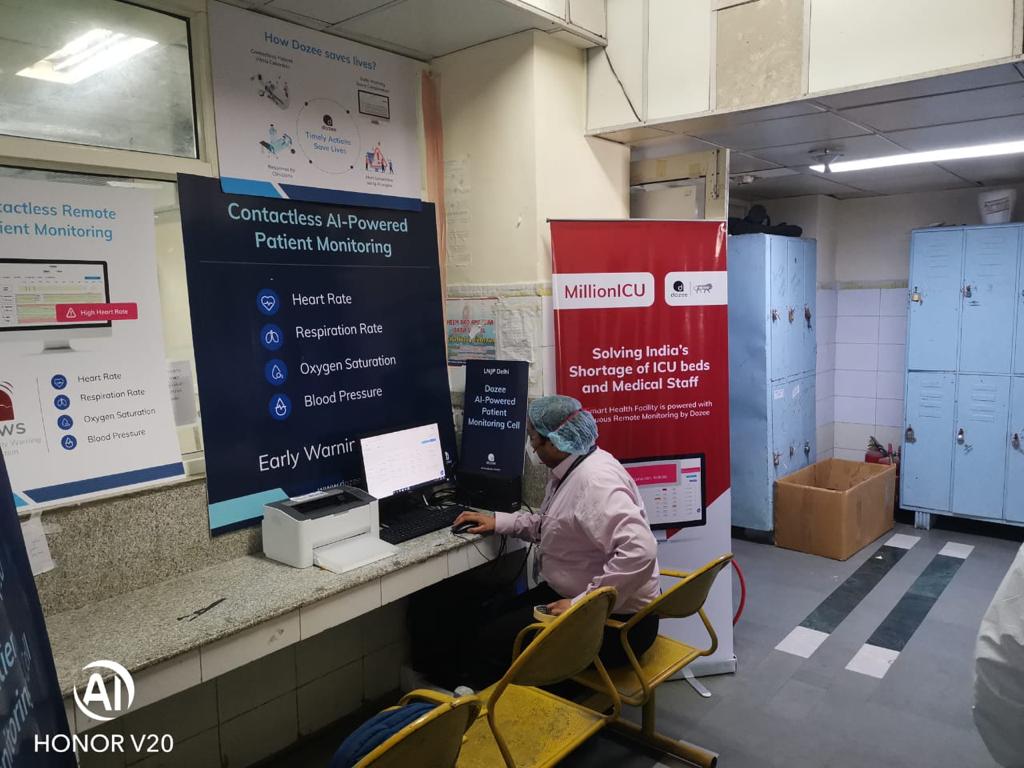
- Increased use of AI in radiology, AI in pathology, and ICU monitoring
- An increased focus on patient safety, infection control, and quality accreditation
Multi-specialty and corporate hospitals continued to expand with in Tier II and III cities enhancing access and standardization in care delivery.
Diagnostics: The Backbone of Clinical Decision-Making
The diagnostic sector continued to strengthen in 2025 its pillars of healthcare. Be it routine pathology to molecular diagnostics, the emphasis on speed, accuracy, and scalability has remained steadfast.
The last few years saw the following advancements
- The swift advancements molecular diagnostics, genomics, and companion diagnostics.
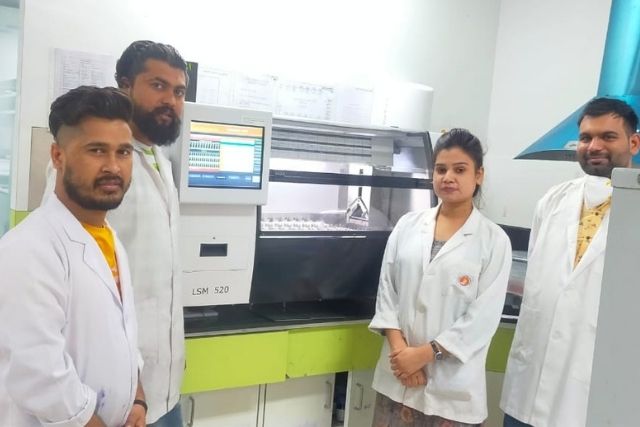
- Automation and robots usage in clinical labs jumped.
- Need for point of care testing POCT in emergencies and critical care jumped in.
- AI powered image analysis in radiology and digital pathology.
In diagnostics, service values grew with regards to accreditation, data integrity, and adherence to global quality.
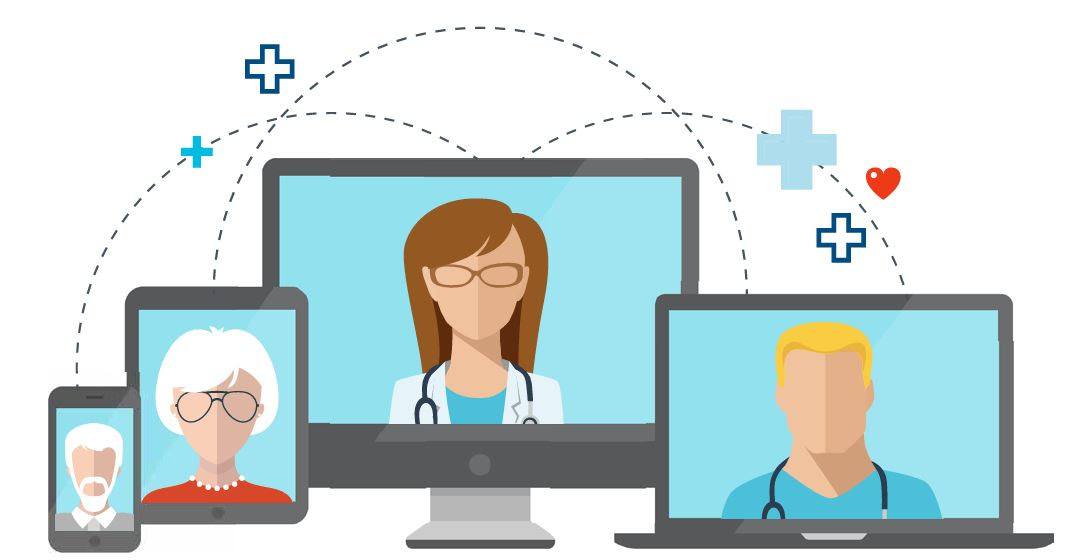
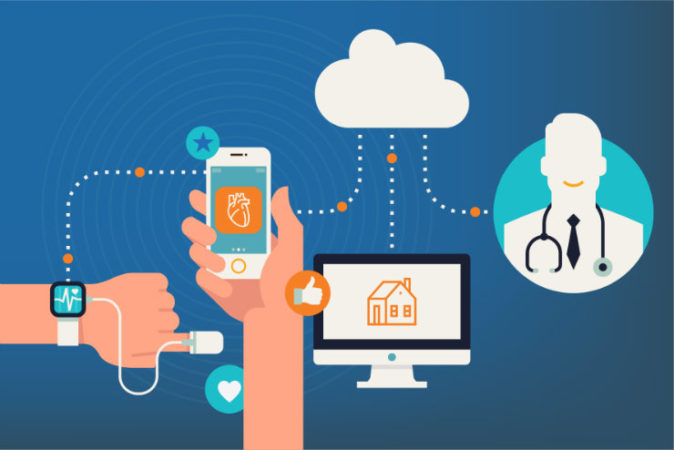
Digital Health & AI: Redesigning of Care Pathways: The year 2025 signified a major change. It was the year digital health technologies went beyond a being a pilot and instead became a full adopition. Telemedicine, remote patient monitoring, and AI triage were seamlessly integrated into hospital workflows.
Providers of healthcare made use of:
- Predictive analytics to anticipate disease and intervene earlier.
- AI driven chatbots and virtual assistants for patient engagement.
- Cloud based diagnostic systems to facilitate rapid reporting and data exchange.
With the vertical digital expansion Interoperability and cyber security became board room priorities.
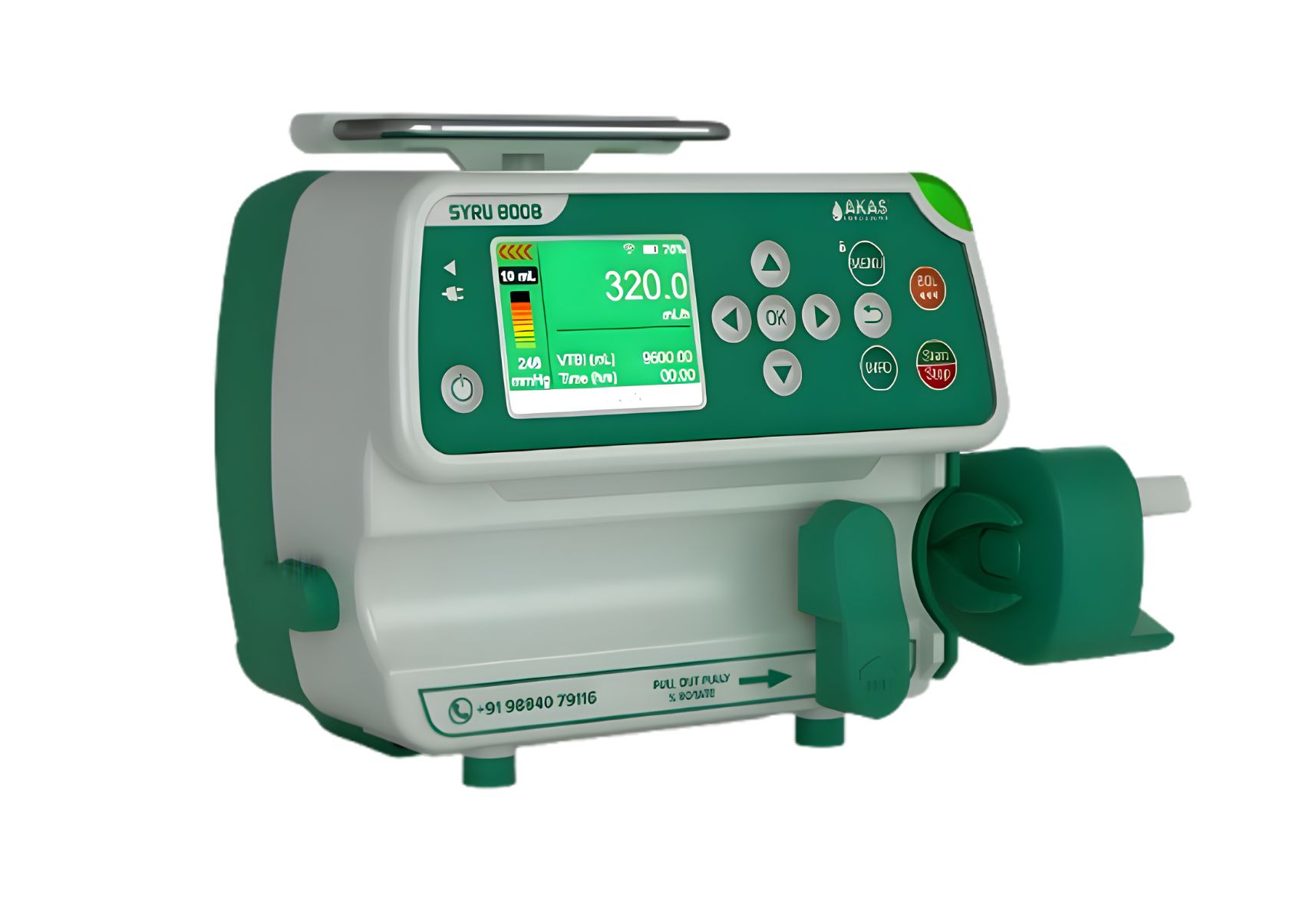
Medical Technologies and Equipment: Purposeful Innovations Manufacturers of medical devices and equipment crafted innovation around cost effective improvements, sustainability, and user centered design.
The market called for portable, energy efficient, and smart devices that were versatile and adaptable to both urban clinical environments and remote healthcare scenarios.
Areas of growth include:
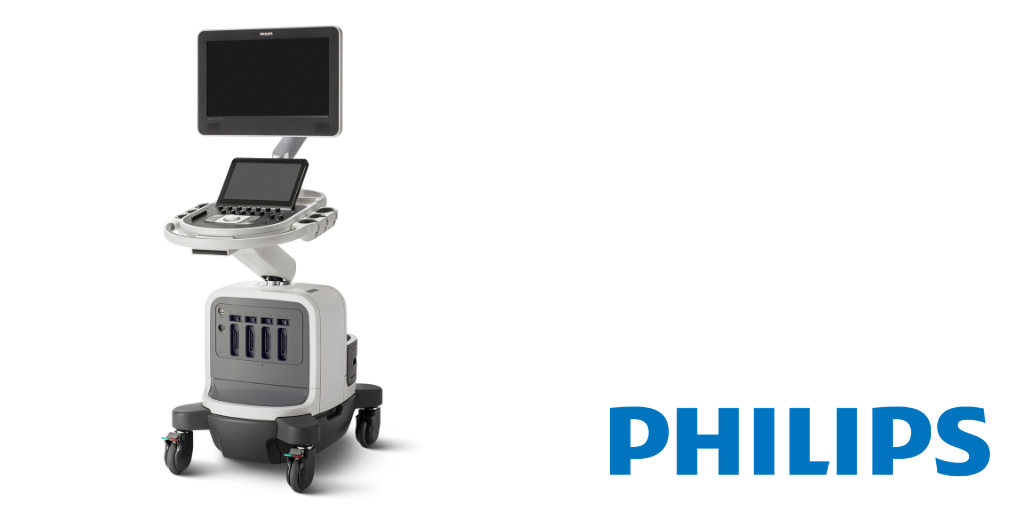
- Imaging systems with artificial intelligence and advanced resolution
- Automated high-throughput laboratory analyzers
- Diagnostics that are portable and suitable for bedside use
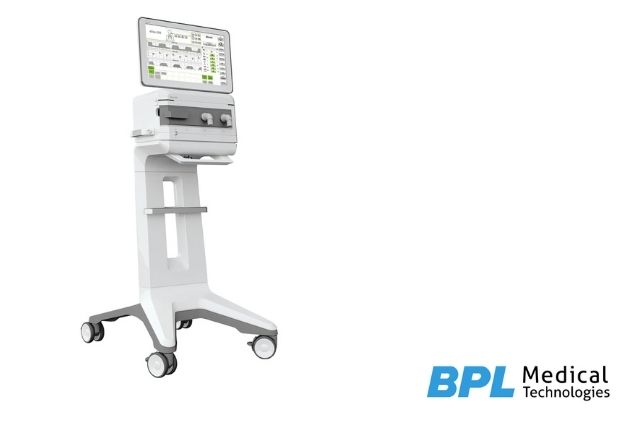
- Technologies for intelligent ICUs and smart surgical theatres
Regulatory Priorities and Conformity to Standards of Quality
As of 2025, regulations prioritized quality of care, safety, and traceability for the patient. Hospitals and diagnostic labs harmonized to an even greater extent with compliance to guidelines, domestic and international. There was a greater focus on audits, digital documentation, and continuous training.
The Challenges that Defined the Year
The sector, however, was not without its challenges, which included:
- Escalating operational costs,
- Shortage of trained personnel,
- Compromising affordability and innovation
- Data privacy management in a digitalized environment.
These challenges fostered collaboration, automation, and dialogue focus on policy.
The Future: Beyond 2025
The healthcare, hospital and diagnostic sector finds itself in 2026 with a lot of positivity, which is a great foundation to advance on the anticipated focus on personalized diagnostics, preventive healthcare, value based care, and sustainability.