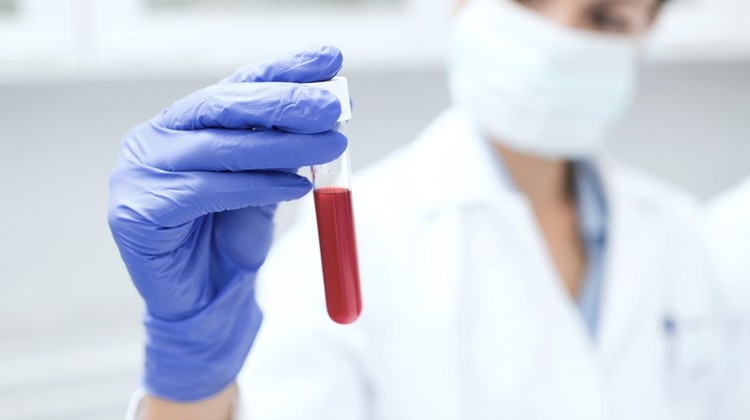




The role of diagnostics has evolved from singular focus on early disease identification to predictive analytics beyond disease to encompass population health management. This fundamental transformation of diagnostics is being integrated into the strategic core of health systems on a global scale to streamline value delivery during the entire continuum of care.
THE QUIET REVOLUTION AT THE CARE DELIVERY FRONT
Diagnostics is the primary driver behind the shift occurring in the health sector.
The conventional focus has historically been on therapeutic and surgical interventions, with much less focus on procedures and tools used to conduct tests. This approach is in contrast to providing patient-centered diagnostics. Each year, the proportion of health resources spent on diagnostics declines, even as the proportion of clinical decisions made based on diagnostic information increases. This paradox and rise in demand results in a value-based segment of the health sector.
VALUE BASED VERSUS VOLUME BASED
The shift in demand and the evolution of health systems tends to focus on the prevention and precision approaches. As disease patterns change over time and the populations shift towards aging, the demand for predictive and analytical approaches to health increases. Therefore, the merging of science, technology, and health Innovation diagnostics is the driver behind interventional prevention. The primary role of interventional prevention is to enhance health outcomes of populations.
DIAGNOSTICS FUTURE ROLE
The future of predictive analytics in diagnostics is the prevention of disease detection. The predictive analytics aimed toward population health management, personalized medicine, and predictive disease management are the future.
The use of diagnostics value-based health care is the care that is provided where the outcomes are prioritized over the volume of intervention provided to the patient. Since the primary focus of value-based health care is to improve the outcomes over the volume of care, the health care system is engaged in providing high-quality clinical healthcare services, and relational healthcare services, and/or integrated healthcare services to meet the system’s objectives.
The Increasing Role of Technology in Diagnostic Methods
The following technologies are changing the way the world looks at scalable diagnostics and the world of healthcare as a whole:
Molecular and Genomic Diagnostics
The latest technologies in sequencing, PCR-based diagnostic testing, and multi-omics platforms provide clinicians with the ability to make more precise and rapid clinical decisions in the fields of oncology, infectious disease, and diagnosis of rare diseases.
AI and Digital Pathology
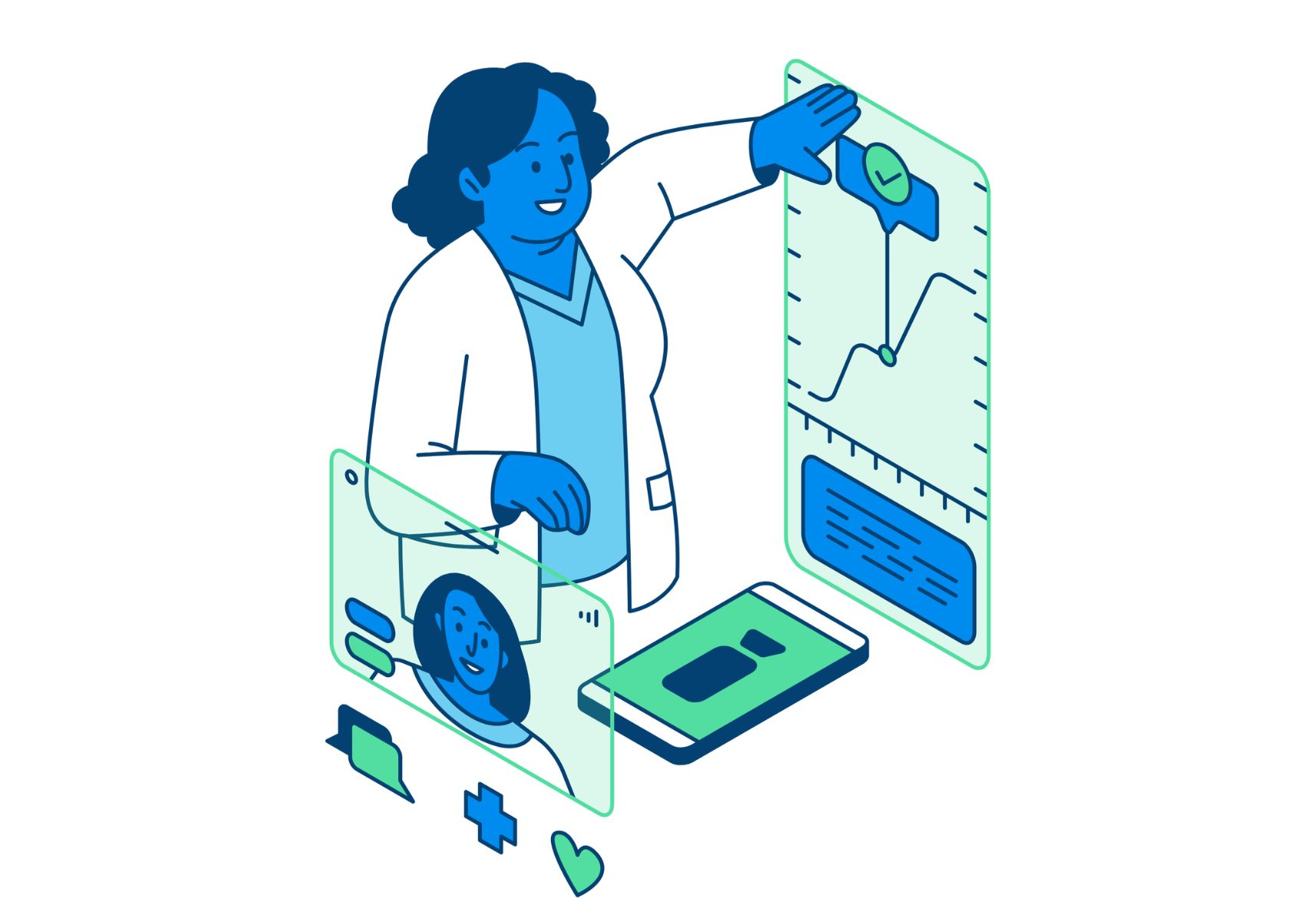
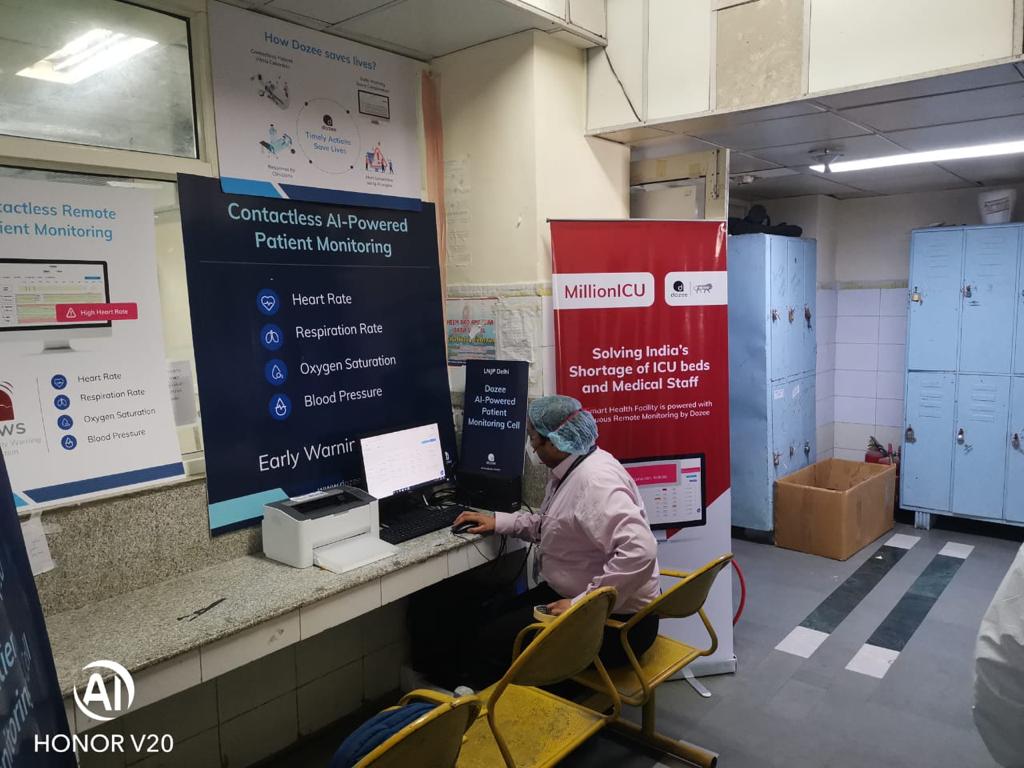
The combination of automated reporting, AI-enabled image analysis, and clinical decision support tools is addressing the global diagnostic services shortage by improving diagnostic accuracy, reducing turnaround times, and improving clinical decision support.
Point of Care and Decentralized Diagnostics
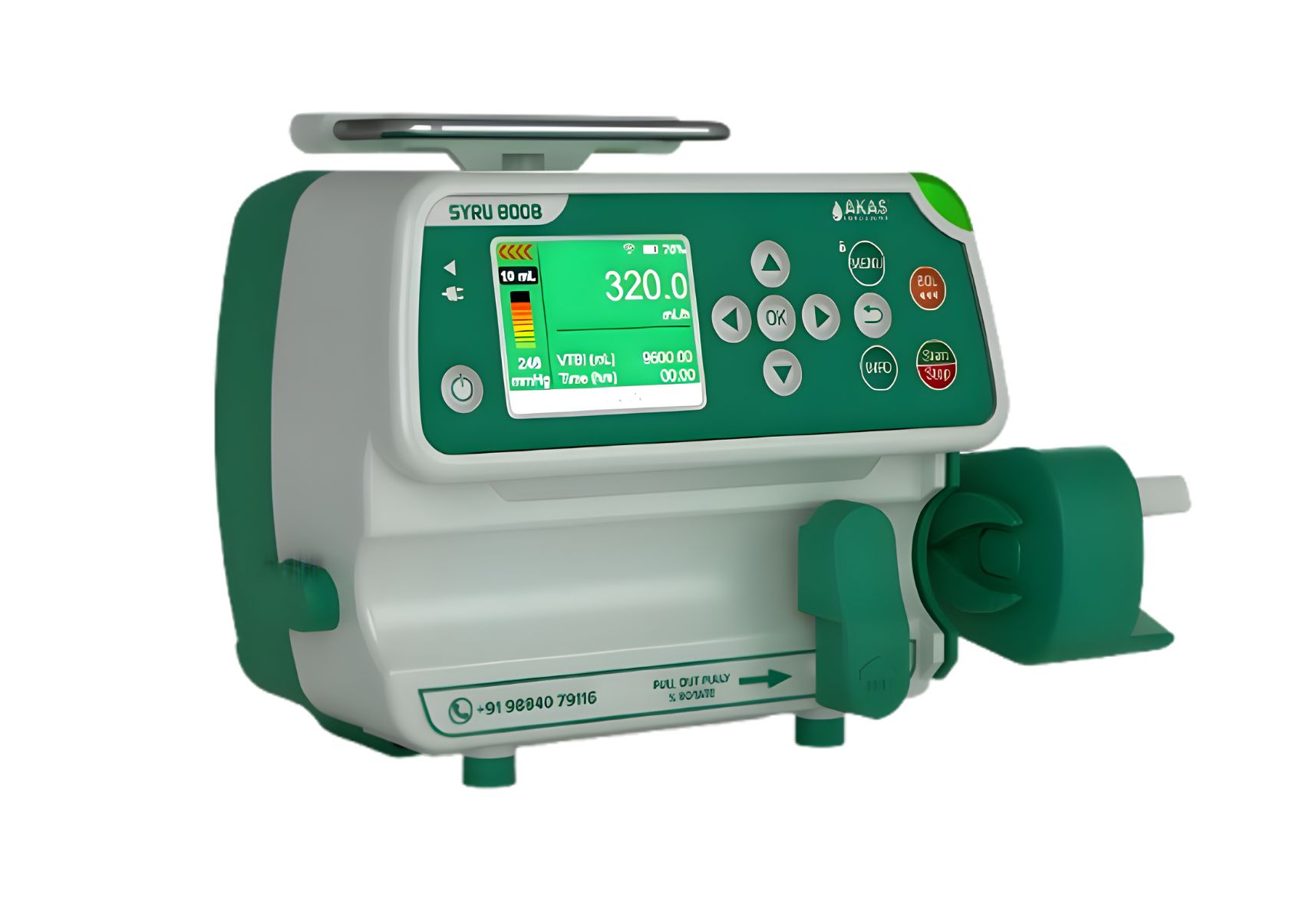
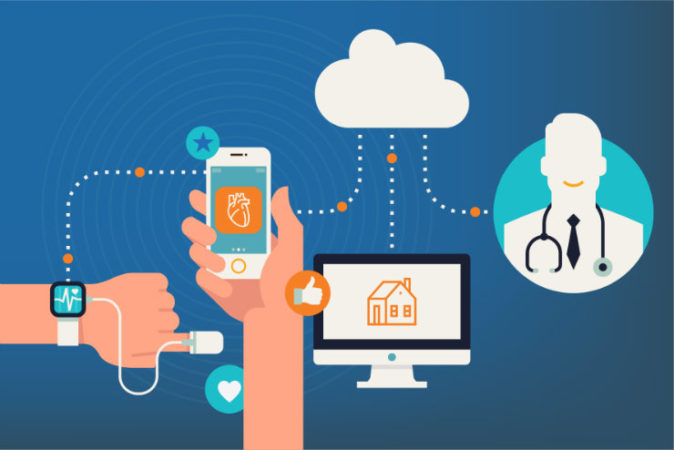
Portable diagnostic analyzers and rapid testing diagnostic kit technologies have brought diagnostic testing nearer to the patients, thereby improving accessibility of testing in emergency, remote, and resource-limited situations.
Smart Labs
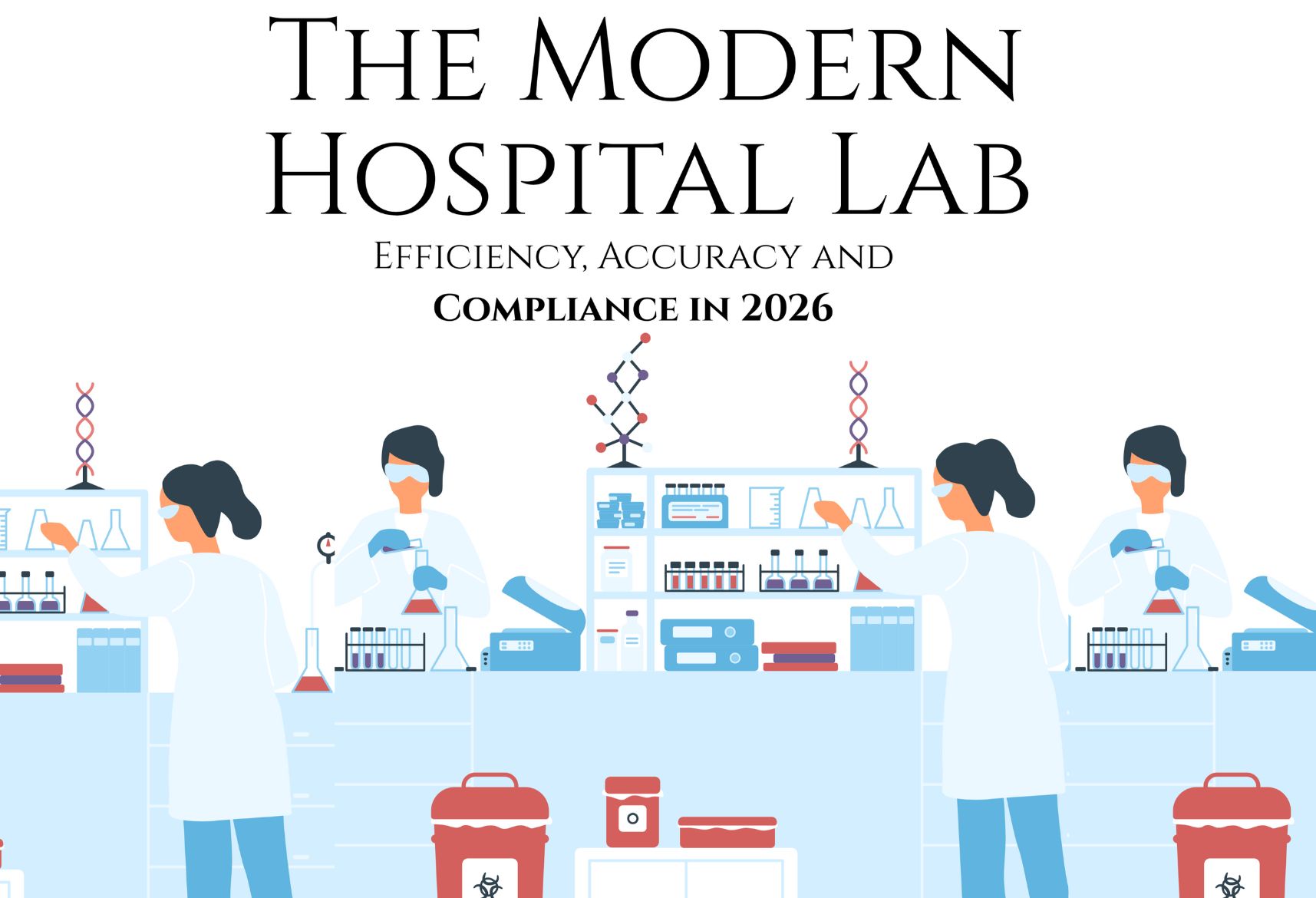
The Internet of Things (IoT), Laboratory Information System (LIS), and cloud-based analytics technologies are working in a way that streamlines diagnostic testing processes and enhances regulatory compliance and data traceability to ensure that labs are more efficient and effective.
Diagnostics and Preventive Healthcare
Preventive healthcare has shifted from being a long term goal to being a short term goal that is a necessary within society. It is prognostic in its nature. It relies on comprehensive diagnostic testing. It is oriented around early diagnostic testing programs and wellness panels, and diagnostic testing done on the greater population. As a result, both private health care and governmental bodies of public health are investing significantly in the following activities: multi-country and nationwide early diagnostic testing programs, frontline healthcare containment strategies, and real-time monitoring of disease outbreaks. In the healthcare ecosystem, diagnostic testing is the first and most critical component in addressing the burden of disease and the cost of healthcare.
A Decade of Opportunities in India’s Diagnostics Landscape
India shows evidence of horizontal growth. The middle class is expanding, the prevalence of chronic disease is increasing, the healthcare infrastructure is broadening, and the rapid growth of the diagnostics sector is obvious.
Growth is coming from:
Expansion of organized diagnostic chains, laboratory technologies, policies, and the use of advanced digital health technologies.
For manufacturers, laboratories, technology providers, and companies providing services, healthcare at home is a cutting-edge, high-potential, long-term diagnostics market.
Defining Challenges
Diagnostics holds significant promise, but it also comes with important challenges:
The ability to define and implement directives that produce results in:
- The standardization and quality assurance across all laboratories.
- Data security and resolution of the interoperability paradox.
- The ability to clarify an emerging technology and its regulatory compliance
The desire to address these challenges is a marker of the ability of the diagnostics field to sustain its energy.
The Future is Bright
In the coming decade diagnostics will transform from being seen as a cost center, to being a strategic pillar that enhances the value of an ecosystem and its operational efficiency while also ensuring value added healthcare.