


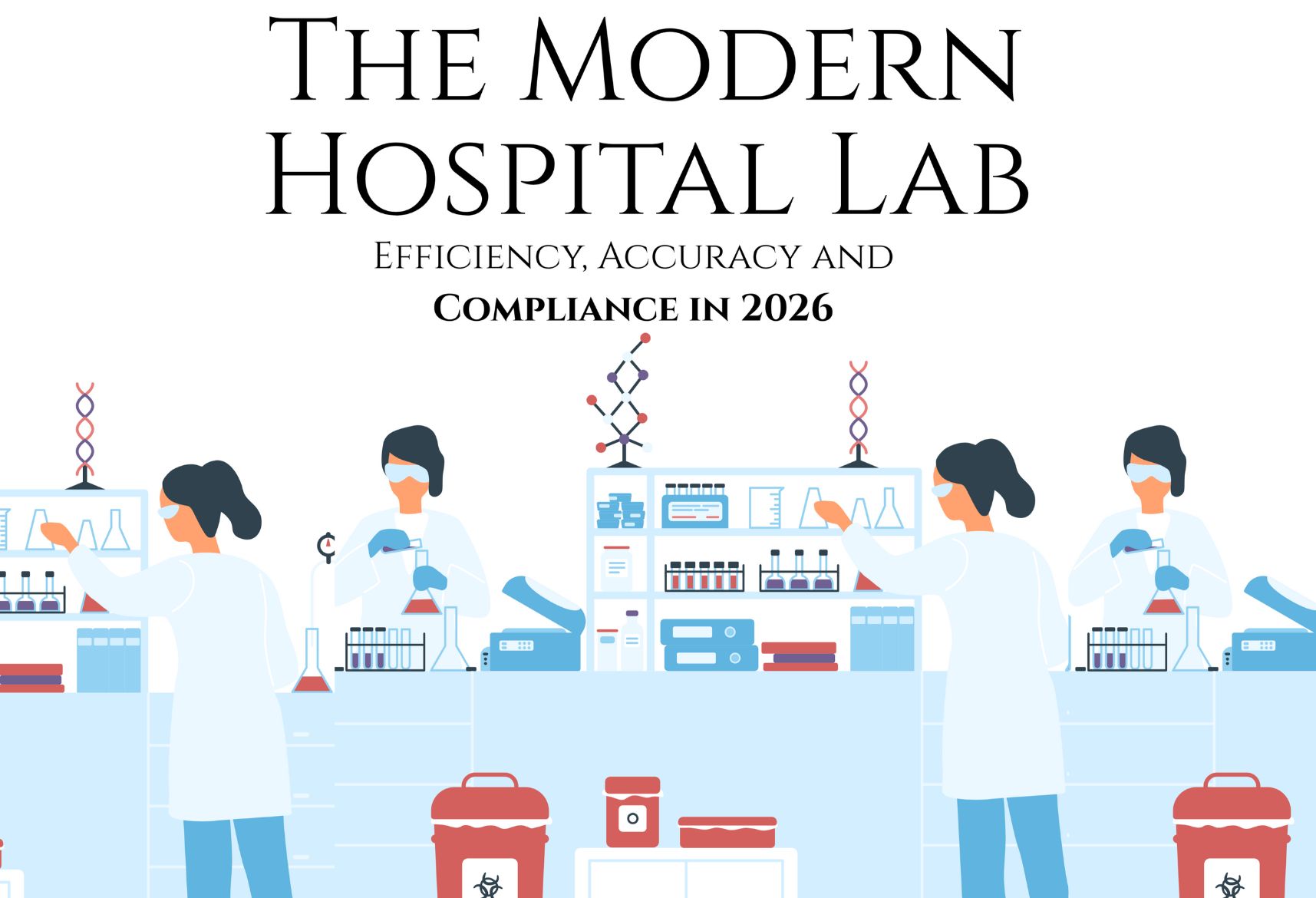
The hospital laboratory in 2026 is no longer a quiet operation; it is a strategic hub that positively impacts clinical results, operational effectiveness, and regulatory confidence.
While hospitals are managing rising patient volumes, complicated diagnostics, cost challenges, and tight compliance, modern laboratories are being reconceptualized as intelligent, interconnected, and fully ecosystems.
Automation, digital integration, lab data intelligence and a renewed emphasis on quality and compliance, are all contributing to the fabulous transformation of hospital laboratories. Labs are, for the first time, faster, smarter, and more accountable, making them top-of-the-line facilities.
Redefining Efficiency: From Workflow Bottlenecks to Smart Operations
In the modern hospital lab, efficiency is much more than less turnaround time. In 2026, efficiency translates to optimized workflows, no manual intervention, and maximal resource savings.
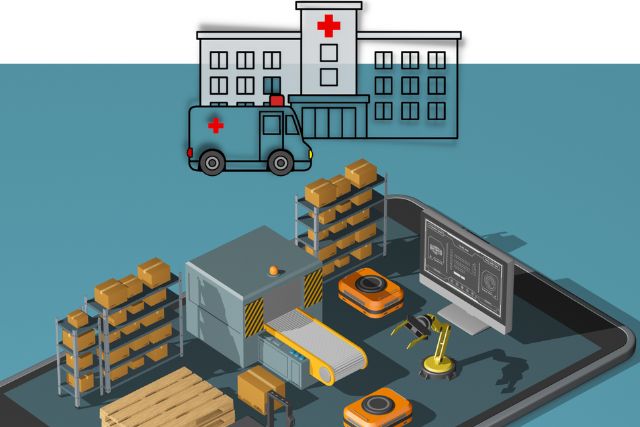
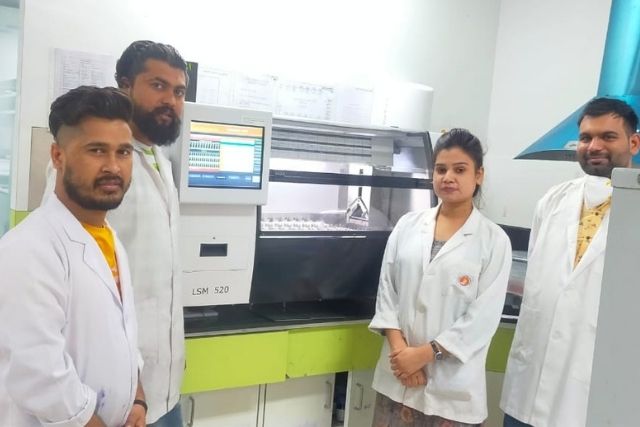
Automation technologies are able to perform functions such as sample sorting, centrifugation, aliquoting, and even analysis with minimal human need. With Total Laboratory Automation (TLA), laboratories are able to integrate pre-analytical, analytical, and post-analytical stages in a way that reduces errors and allows skilled professionals to focus on interpretation, not repetition.
Artificial intelligence (AI) and predictive analytics enhance efficiency by:
- Predicting test volumes
- Forecasting resource needs for reagents
- Planning preventative maintenance
- Minimizing downtime of devices
From an administrative perspective, this leads to decreased operational costs, increased employee efficiency, and increased patient flow, all of which are vital in today’s healthcare landscape.
Precision Medicine and Accuracy
With tailored medicine, the precision of diagnostics and the accompanying data is an absolute must. Advanced analytical platforms with the capability to provide sensitive, reproducible, and consistent results in high volumes are being implemented in hospital laboratories of 2026.
Some of these advancements are:
- Artificial intelligence (AI) supported image scrutiny in pathology and hematology
- Diagnostics at the molecular level with greater sensitivity and quicker response times.
- Digital pathology which allows for remote examinations and secondary opinions as well as real time flagging of nonconformance by integrated quality control.
These enhancements minimize the span of human error and improve the consistency of diagnostics to aid in the prompt and sure provision of treatment to patients.
Living Up to Standards
Staying up to date with regulations and compliance quality control is the last but certainly not the least in importance of the operational laboratory of a hospital. The international and local standards of accreditation are becoming increasingly rigorous.
Therefore, laboratories are required to show steady compliance as opposed to prepared compliance lapses.
By the year 2026, compliance is seamlessly integrated into the laboratory systems by:
- Digital trails and automated documentation
- A fully compliant laboratory information management systems (LIMS) with NABL, ISO 15189, CAP, and CLSI
- SOP compliance with real-time monitoring
- Electronic records of training and competency assessments
These compliance frameworks digitally embedded into the laboratory systems, brings peace of mind during audits, enhanced transparency, and an unwavering level of trust from regulators, clinicians, and patients by providing complete traceability on all aspects of the diagnostics process.
Trust is also enhanced through the systems providing a fully integrated and interconnected modern hospital laboratory with Hospital Information Systems (HIS), Electronic Medical Records (EMR), and clinical decision support systems.
Interoperability also delivers:
- Streamlined result delivery to clinicians
- Advanced clinical pathways driven by integrated data
- Analytics on entire populations
- Infection surveillance and antimicrobial stewardship
Hospitals can focus on preventive care by leveraging lab data and diagnostics, transforming it into optimized resource management and better patient outcomes.
Empowering Laboratory Professionals: The Human Element
The future will not replace the human expertise behind diagnostics, and in the year 2026, laboratory professionals will not only be highly skilled operators, but also data interpreters, quality champions, and valued contributors to the laboratories.
With the use of digital tools, AI-assisted technologies, and continuous training, lab professionals will work better and smarter ensuring a better level of care and job satisfaction.
Looking Ahead
The modern hospital lab of 2026 represents a perfect balance of efficiency, accuracy, and compliance. It is agile yet robust, automated yet human-centric, and technologically advanced yet clinically grounded. As hospitals continue to redefine care delivery models, laboratories will play an increasingly pivotal role—not just in diagnosis, but in shaping the future of patient-centric, data-driven healthcare.
For healthcare leaders, investing in modern laboratory infrastructure is no longer an option—it is a strategic necessity.