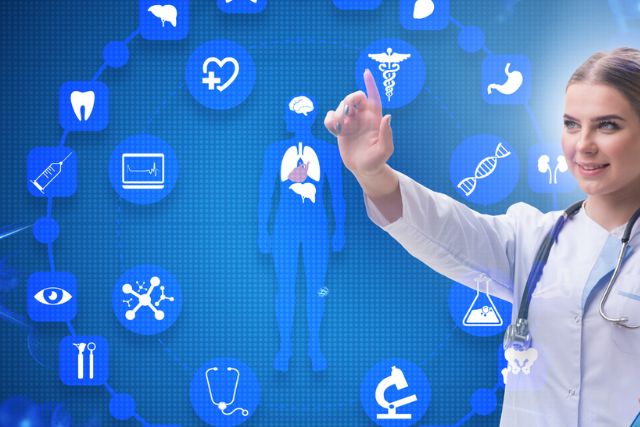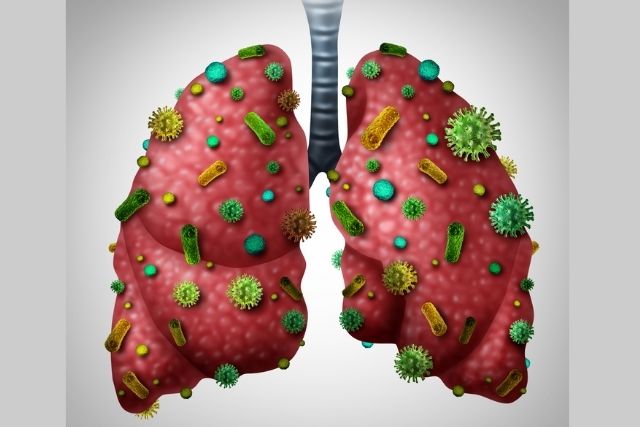



The convergence of engineering and medical science is beginning to change the landscape of the patient experience. Engineering is bringing newly integrated, innovative technologies at every step along the care continuum from early intervention and diagnosis to treatment, rehabilitation, and ongoing health maintenance. These technologies are beginning to change the entire care delivery system—not just what care is available at the hospital or clinic.
Healthcare delivery is becoming more connected and integrated through artificial intelligence, connected medical equipment, and robotics and digital diagnostic tools. Care delivery is more adaptive, flexible, and responsive thanks to data-informed solutions. Advancing customer expectations and rising demand in the delivery of care is becoming more and more aligned and integrated. Technology is becoming the solution.
Building tomorrow’s healthcare systems is the process of developing and designing the systems today. The result is better health for everyone.
Smart Healthcare: Creating an Intelligent, Integrated Care System
Modern integrated healthcare systems connect, and collaborate through data, device, and healthcare professional networks.
Smart Healthcare technologies consist of:
- IoT-enabled healthcare devices
- Real-time patient monitoring
- Digital health systems
- Electronic Health Records (EHR)
- Cloud-based health systems
Artificial Intelligence: The New Standard of Care
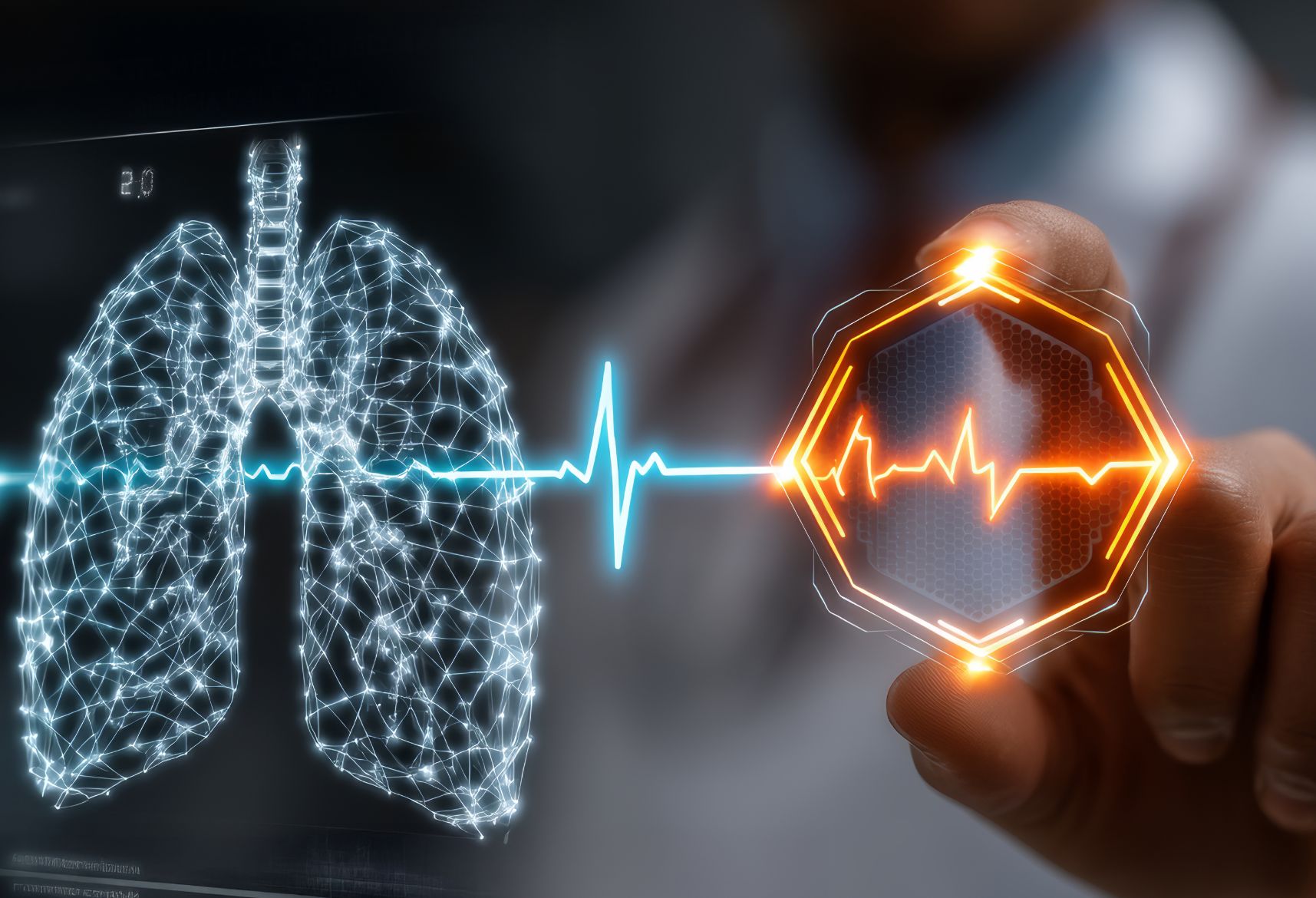
AI’s ability to analyze and process large amounts of data has begun to present new and innovative solutions.
AI has begun to:
- Predict and identify disease early
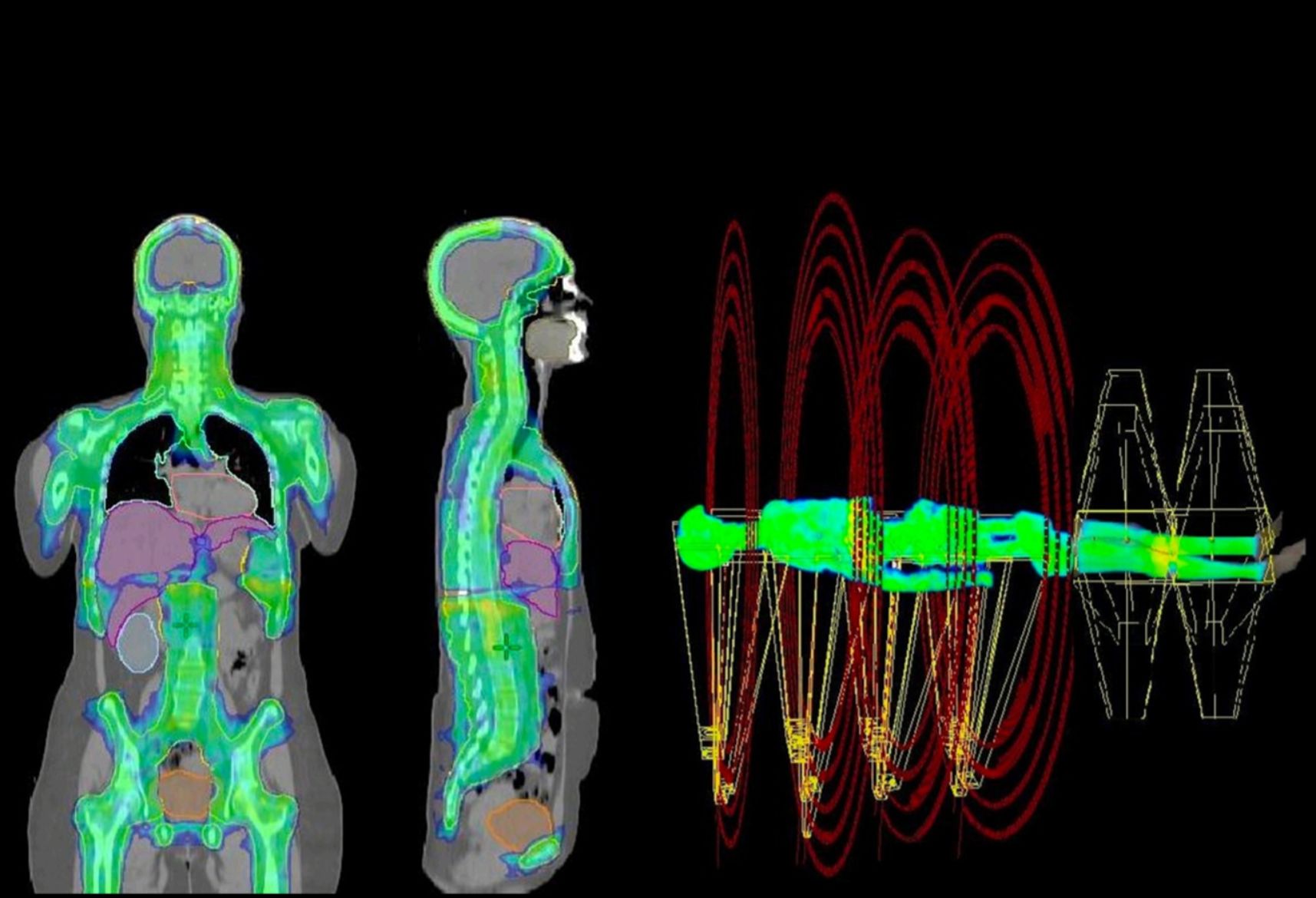
- Analyze medical imaging
- Provide personalized treatment options
- Optimize clinical workflow
- Enhance monitoring of patients
AI’s ability to process and analyze large amounts of healthcare data is beginning to fill the gaps of care and promote more proactive and precise care.
DATADOCS – ENHANCED DIAGNOSTIC CAPABILITIES – EARLIER DIAGNOSIS OF ILLNESSES
The efficacy of a treatment plan overwhelmingly improves as an illness is diagnosed and treated in its early stage. Timely and accurate diagnostic testing allows clinicians to intervene as illness develops.
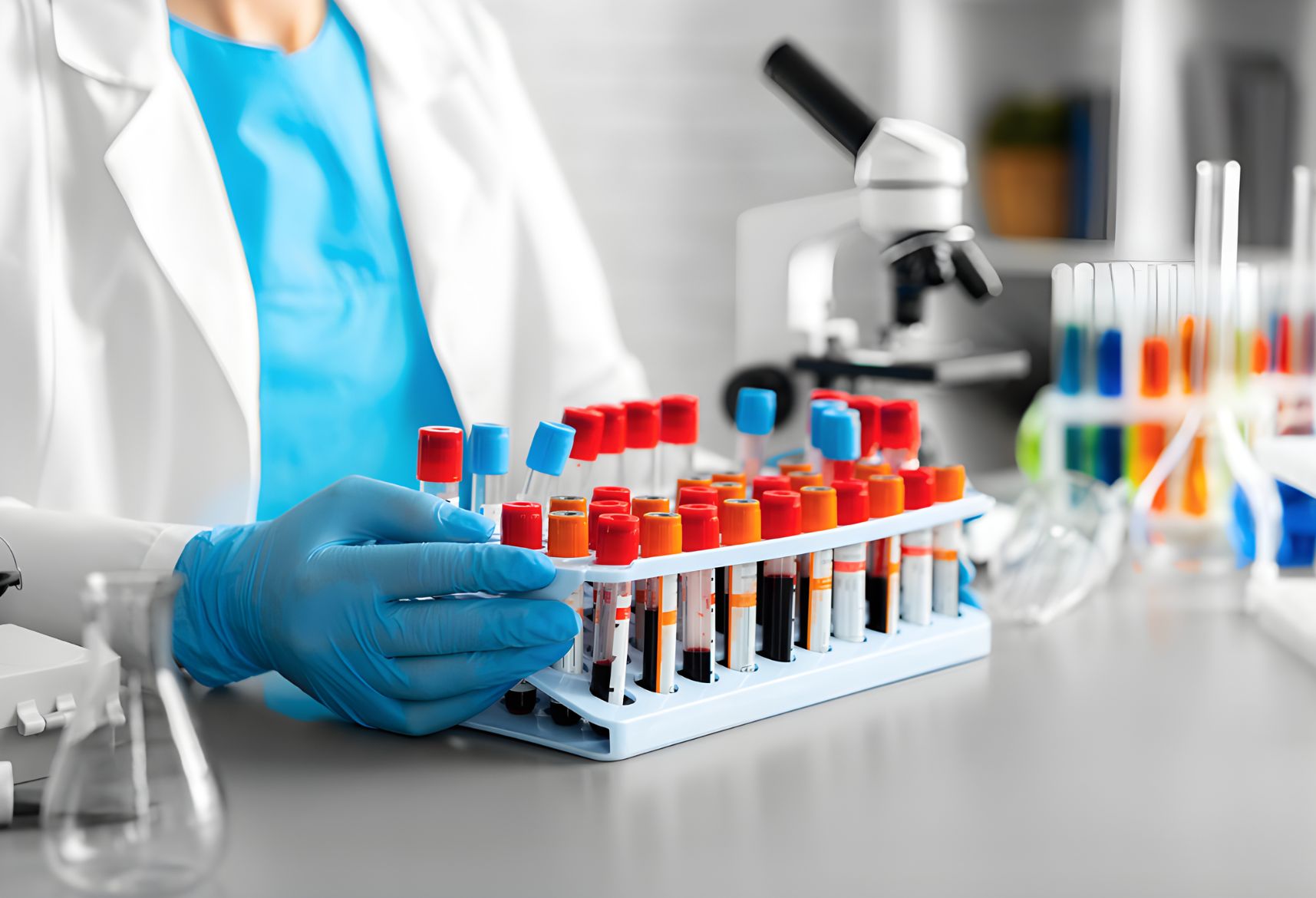
Innovations in the following have expedited the diagnostic process:
- Molecular diagnostics
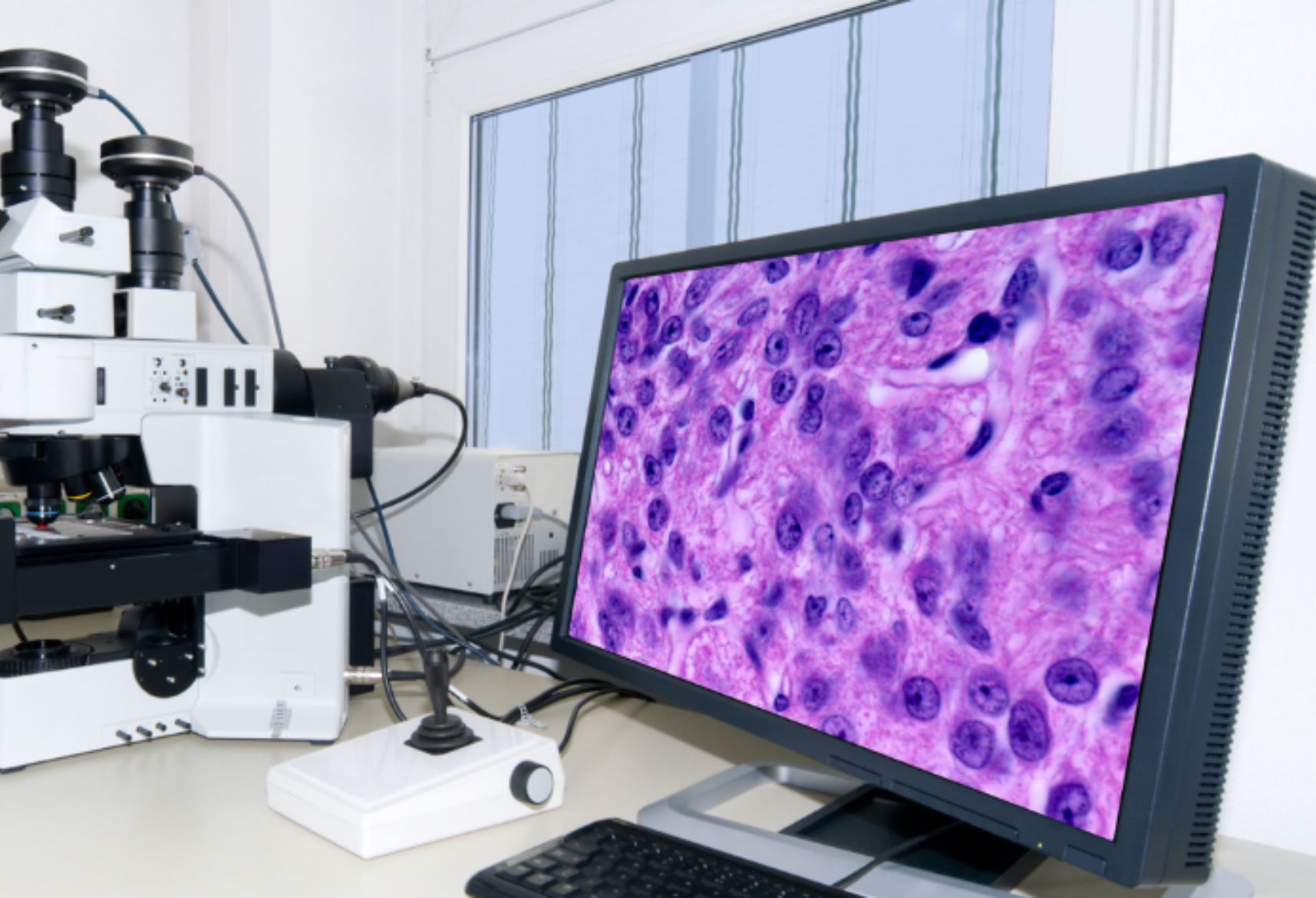
- Digital pathology
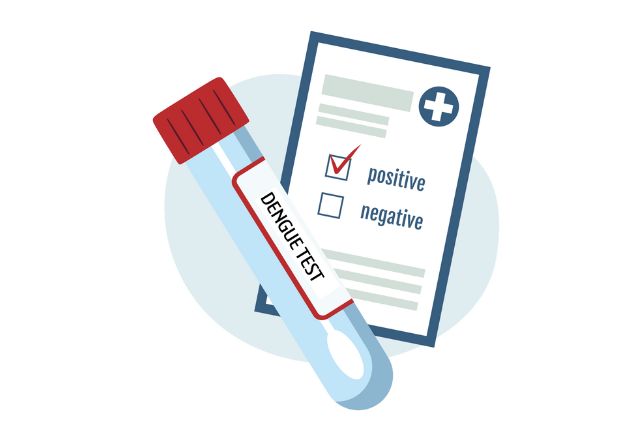
- Point-of-Care testing
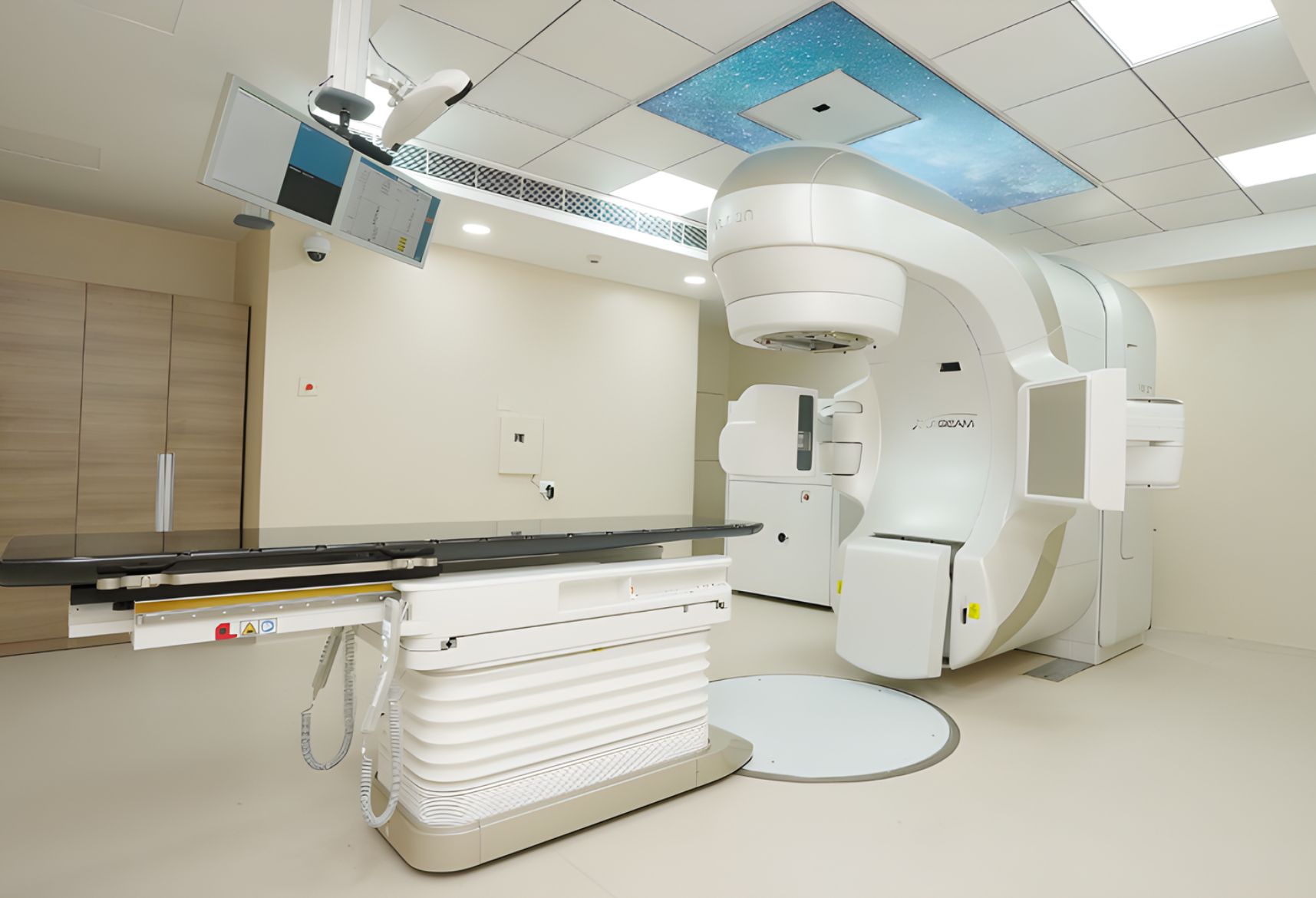
- Artificial intelligence-imaging systems
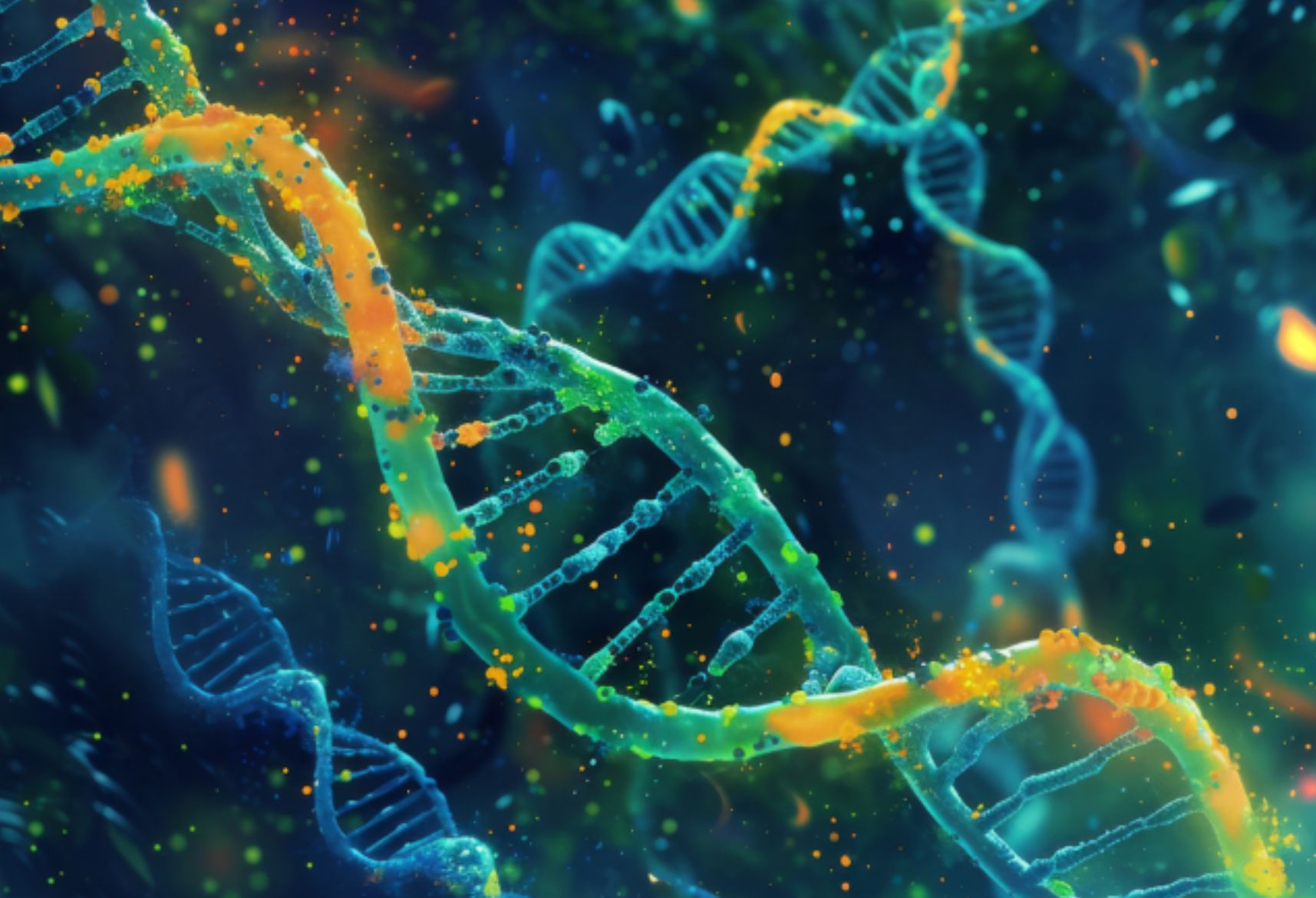
- Genomic diagnostics
The innovations above have allowed healthcare professionals to detect illnesses sooner and, as a result, improve the overall prognosis and success of the treatment plan.
DATADOCS – INTELLIGENT MEDICAL DEVICES – BRING THE CLINIC TO THE PATIENT
The design and function of medical devices is revolutionizing the delivery of healthcare.
Some of the devices include:
- Wearable health monitors
- Smart infusion pumps
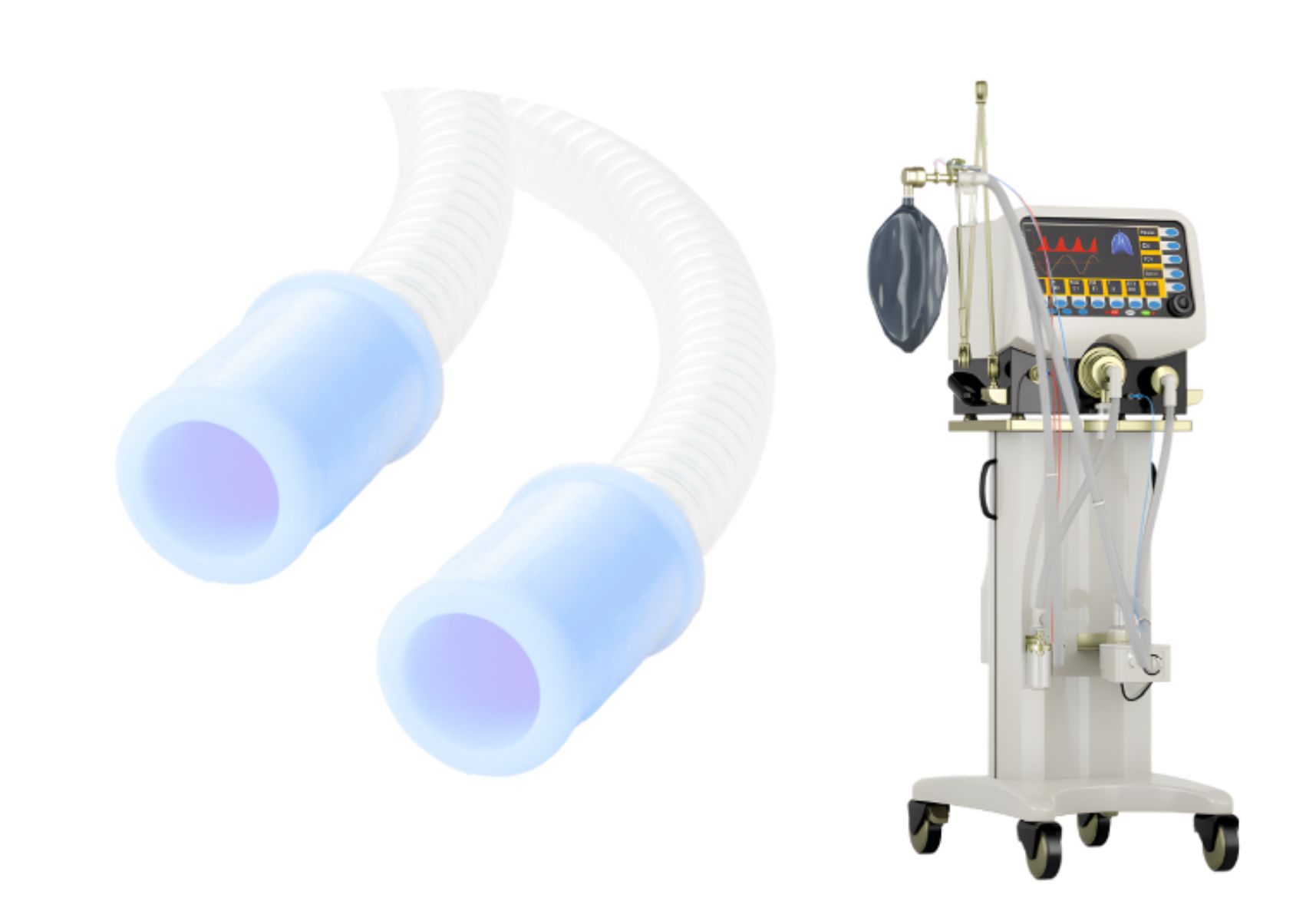
- Connected ventilators
- Portable ultrasound
- Remote patient monitoring systems
These medical devices are designed to facilitate continuous care and reduce the necessity of an in-patient hospital stay.
DATADOCS – MEDICAL ROBOTICS – GREATER ACCURACY IN MEDICINE
The introduction of robotics and automation is changing clinical practice and the operation of a hospital.
Some of the systems include:
- Robot-assisted surgery
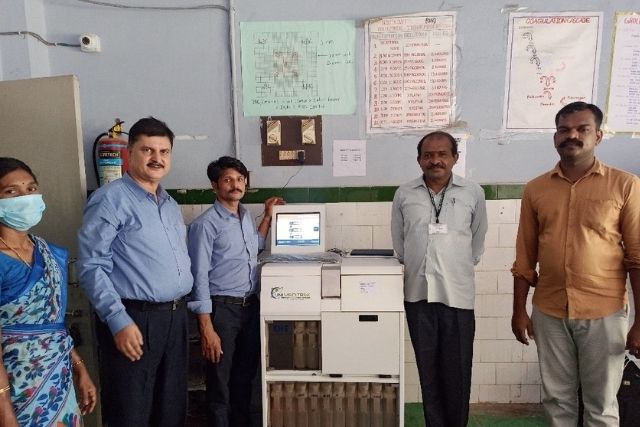
- Automated Labs
- Rehabilitation robotics
- Medication dispensing systems
- Automated hospital logistics
The integration of robotic systems is making tasks in healthcare easier and increasing focus on care.
DATADOCS – INDIVIDUALIZED MEDICINE – ADAPTED THERAPY
The future focus of healthcare is on individualized therapy as opposed to a generalized approach.
Precision medicine integrates:
- Genomics
- Biomarker studies
- Patient data
- Predictive analytics
The benefits include:
- Targeted therapy
- Reduced side effects
- Improved therapy success
- Better prevention
Personalized medicine is at the forefront of healthcare innovation.
Telehealth and Remote Care: Increasing Availability
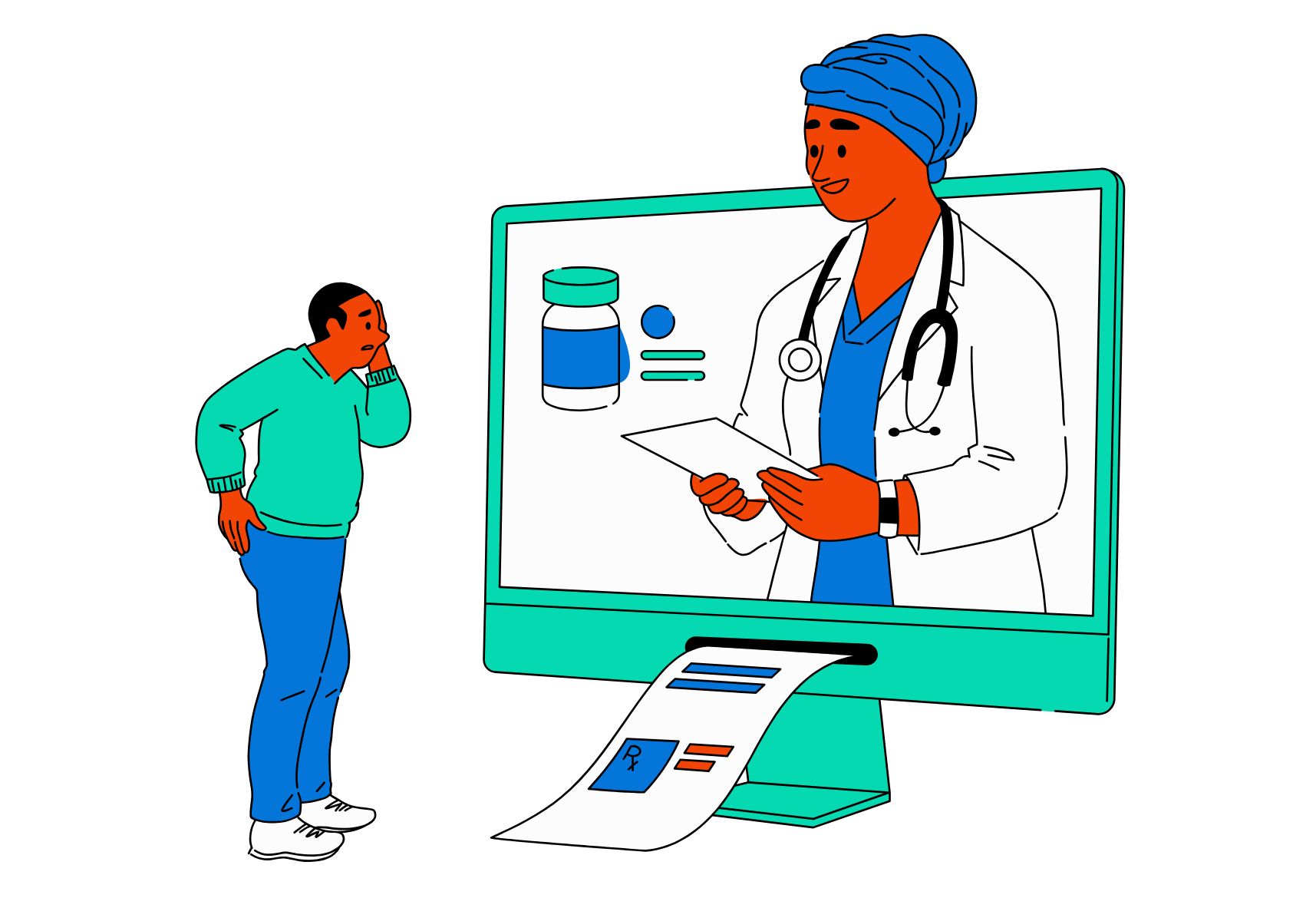
Digital healthcare systems make high-quality healthcare easier to access by removing barriers that are a result of distance.
Telehealth offers:
- A virtual visit
- Remote patient monitoring
- An online pharmacy
- Support for in-home management of chronic illness
- Streamlined follow-up care
Especially for vulnerable populations, the use of these systems improves healthcare access.
Data-Driven Healthcare: Better Decisions with Better Data
One of the most transformative resources for the healthcare sector has been data. Care delivery has been improved and efficiency of operations has been enhanced with the use of advanced analytics.
Data-centric healthcare facilitates:
- Proactive management of chronic disease
- Community health assessment
- Effective use of healthcare resources
- Unique care strategies for individual patients
- Patient safety and risk reduction
The healthcare sector is experiencing a transformation with the recognition of the value of data and the ability to use it to derive meaning and take action.
Sustainable Healthcare: Responsible Innovation
The transformation of the healthcare sector and adoption of new systems and practices have emphasized the need to protect the environment.
The most visible aspects of sustainability in healthcare are:
- Infrastructure that is energy efficient
- Healthcare that is less documented on paper
- A reduction in healthcare waste
- Care that is contracted and provided in a responsible manner
- Care and treatment that is less harmful to the environment
We have a responsibility to future generations to build a healthcare system that is sustainable so that it can support them as it has supported us.
The Future of Healthcare
The combination of engineering, digital technology, and advanced thinking has enabled the transformation of the healthcare sector. Technological advances focus on the same goal. They center on the patient and seek to make care more efficient, easier to access, and more tailored.
Every aspect of the transformation of global healthcare (AI, surgery with the use of robots, connected devices, and healthcare that is exact and individualized) is revolutionary.
The systems that have placed the patient at the center of every aspect of care, that have embraced collaboration, and that have focused on innovation are the systems that will transform the healthcare of the futur