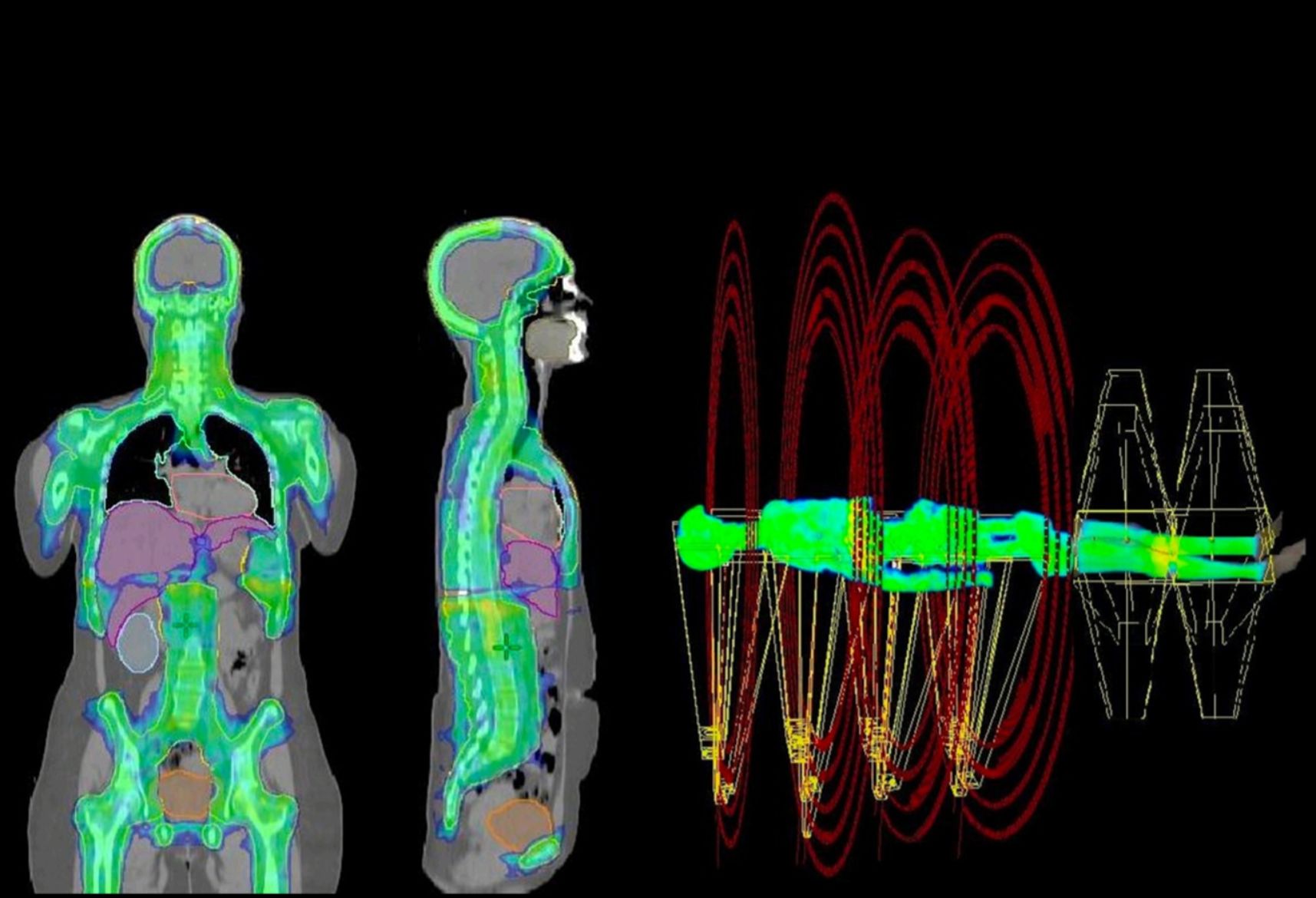



Healthcare is moving towards a model where a diagnosis goes beyond simply identifying a disease. It allows doctors to make more personalized decisions for patients.
For many years, doctors would use a combination of their experience, specialised tests, and imaging to determine what was wrong with their patients. However, recent advances in technology have allowed diagnostic medicine to evolve.
There are numerous fields of diagnostic medicine. Some of these areas include molecular medicine, digital pathology, and other areas where artificial intelligence and other advances in technology help interpret data. Additionally, advances in technology have allowed diagnostic testing to occur away from centralized labs and close to the patient.
As a result of these advances in diagnostic medicine, there has been a shift toward using diagnostic testing to help answer more individualized questions to better understand the patient and their condition.
Additionally, there has been an increased focus on using diagnostic medicine to help answer questions regarding the patient’s prognosis and other questions that help inform the best course of treatment.
Due to all of these recent changes, the field of diagnostic medicine is evolving from being mainly focused on determining the condition of a patient toward being more integrated throughout the entirety of a patient’s care in order to determine the best course of treatment.
The Revolution of Precision Diagnostics
Precision diagnostics is the integration of a variety of specialised technologies to generate comprehensive information about a specific patient.
These technologies include, but are not limited to:
- Molecular diagnostics
- Genomics and proteomics
- Imunoassays
- Digital pathology
- Mass spectrometry
- Next-generation sequencing
- Artificial intelligence
- Point-of-care tests
- Liquid biopsy
- Advanced imaging
- Lab automation
- Data analysis
Each technology offers different levels of information.
Combining related levels of information provides a more thorough understanding of the nature and extent of a patient’s disease.
This allows us to go beyond the current diagnostic framework of “one disease = one diagnostic test” to “one patient = multiple lines of evidence = integrated diagnosis.”
Molecular Diagnostics and the Limit of Traditional Diagnostics
Molecular diagnostics focuses on identifying the molecular components of a disease.
As such, it provides opportunities to gain a deeper understanding of a disease even if traditional diagnostics is not able to identify the disease.
It expands the repertoire of the laboratory to examine the molecular components of a disease, and has multiple applications across different areas of medicine including, but not limited to:
- Infectious diseases
- Oncology
- Genetic and reproductive medicine
- Pharmacology and transplantation
It also expands the opportunities available in the field of personalized or precision medicine.
The Future of Diagnostics: Multiplex Tests and Beyond
Many of the newly developed diagnostic tests are Multiplex tests, which means that they are able to detect and identify multiple biomarkers using a single assay.
As such, a single Multiplex test is able to reduce the number of individual tests required to be run on a patient, and thereby, simplify the diagnostic process for many of the diseases in which multiple pathways and mechanisms are at work.
This is especially relevant when thinking about diagnostic tests for infectious diseases. Rather than designing tests to detect single pathogens, we ought to design tests to detect multiple pathogens.
This would allow the diagnostics industry to broaden the scope of pathogens tested and consequently permit the medical profession to quickly and accurately analyze a wider scope of possible pathogenic causes of an individual’s illness.
The goal of pathogen diagnostics ought to be to compile as much pathogen data with as little diagnostic testing as possible.
We are becoming increasingly able to use next generation sequencing (NGS) to analyze pathogenic DNA, RNA, and other molecules, allowing us to expand the diagnostic scope for numerous pathologic conditions.
NGS continues to positively impact multiple diagnostic specialties, including (but not limited to) oncology, infectious disease, reproductive health, and pharmacogenomics.
With ongoing advances in NGS and other molecular diagnostic technologies, we are quickly approaching a future of precision diagnostics.
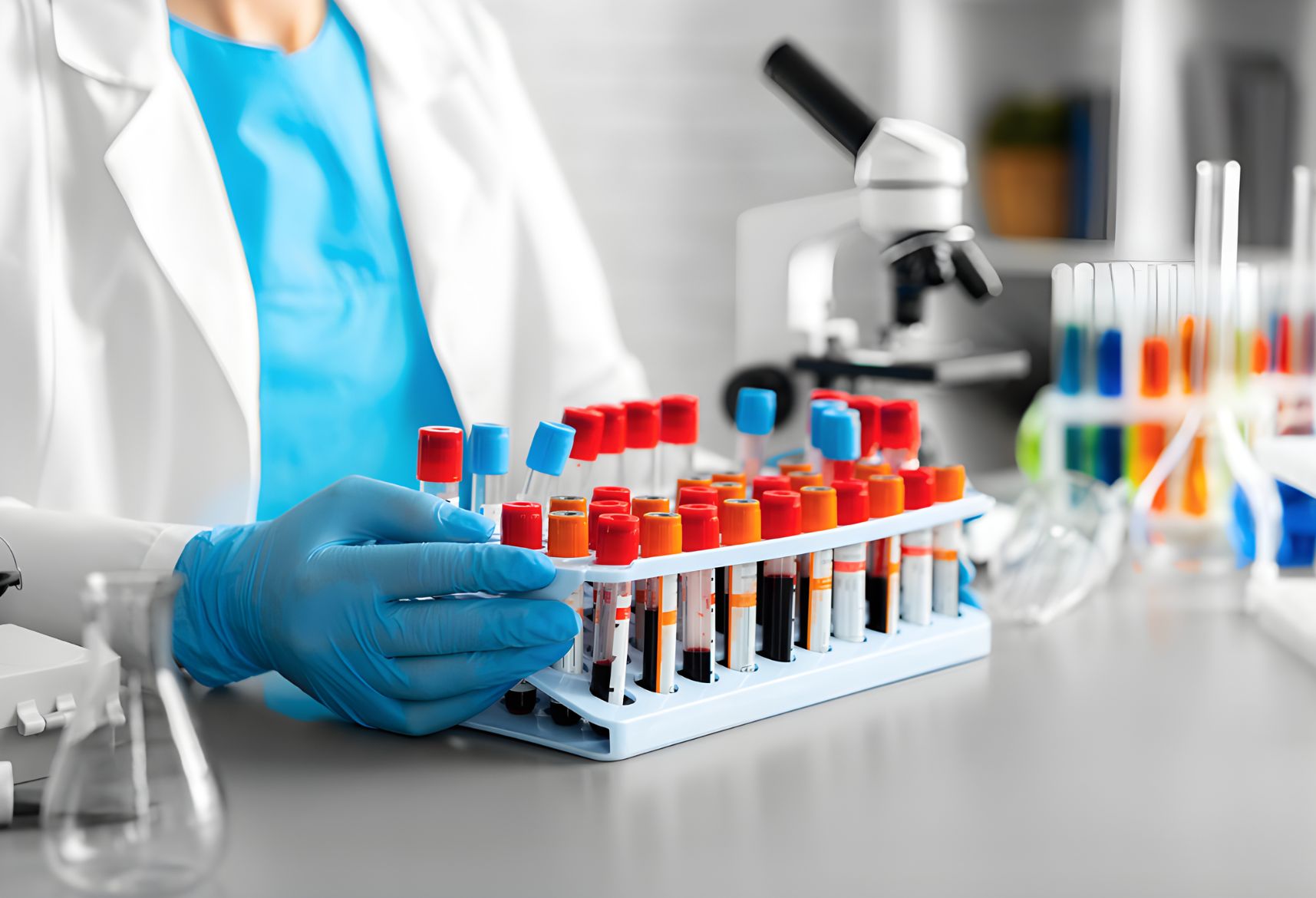
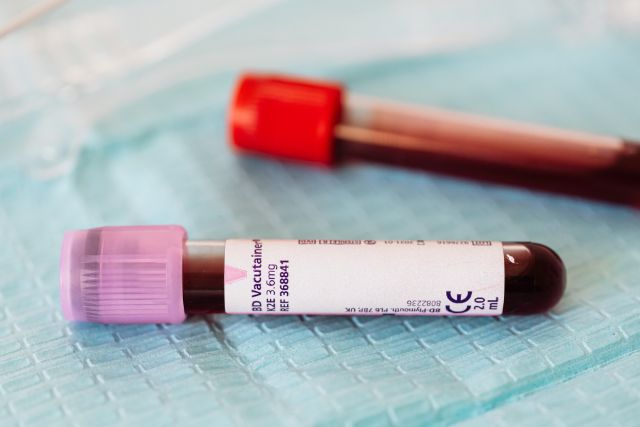
One of the fastest developing fields of molecular diagnostics is liquid biopsy. Liquid biopsy involves drawing a blood sample to analyze genomic or other molecular data to diagnose disease.
Because the ultimate goal of diagnostics is to identify the causative pathogen of disease, liquid biopsy has great potential to positively impact the field of diagnostics. In the future, blood draws may replace the need for invasive tissue biopsies.
Typical uses of the test under consideration are still uncertain. However, the basic approach of the test is meaningful. It reflects a trend to obtain more and more information from biology using increasingly smaller and smaller samples.
Digitization of Pathology
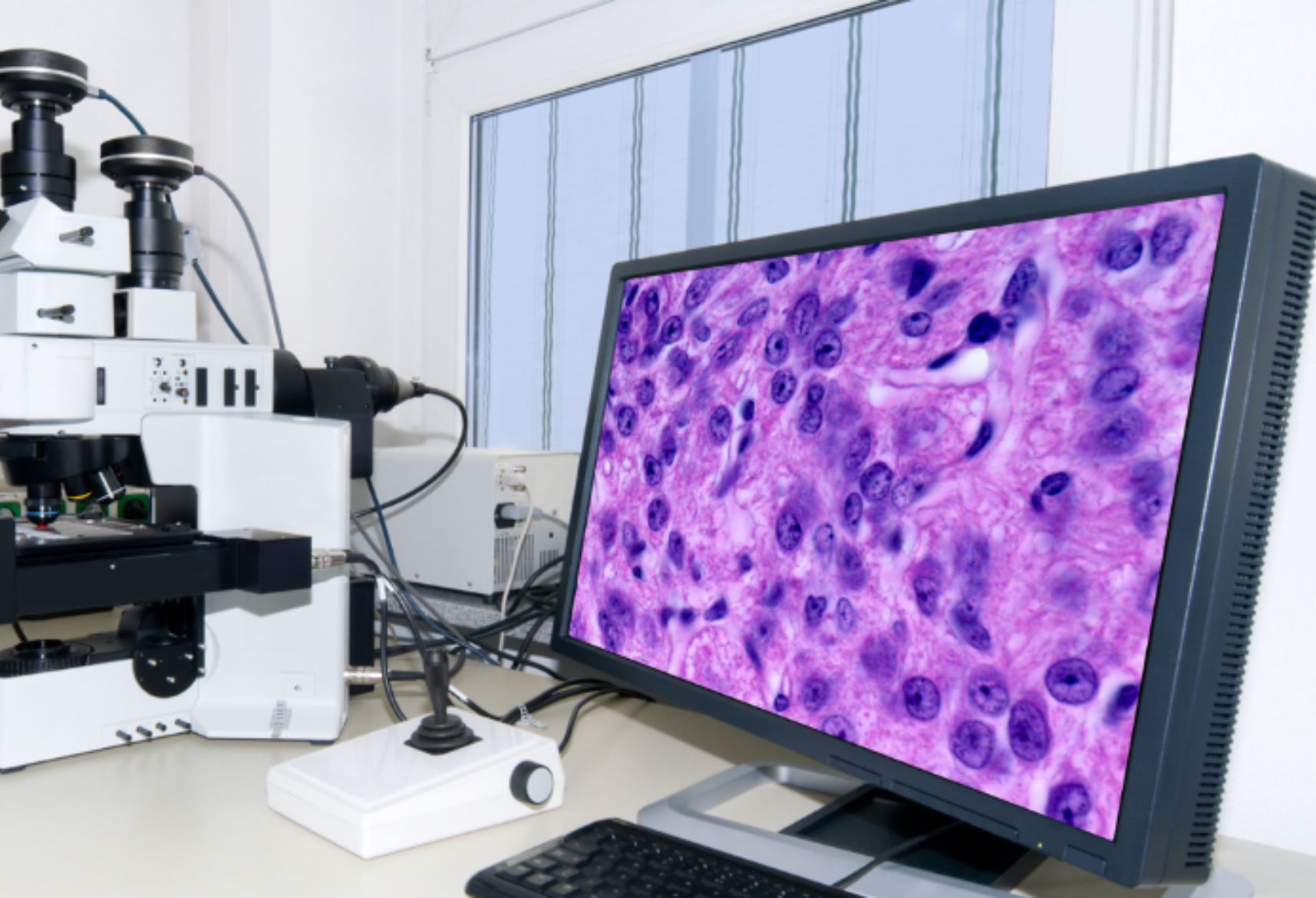
Pathology is a slide-based, on-site, synchronous service. Digitization of pathology alters this model by substituting physical slides with digital slides. Digital pathology allows pathology slides to be stored electronically, transmitted over the Internet, and analyzed using computer software.
Rather than depending on pathologists’ subjective assessments and interpretations, digital pathology allows quantitative analyses. Pathology becomes amenable for interpretation by artificial intelligence. Digital pathology also facilitates standardization of pathology diagnostics, and synchronous pathology services from distant locations.
Pathology becomes ‘data’ rather than ‘picture’. Rather than a physical slide being viewed by a single person, a physical specimen becomes digitized and accessible to all.
Pathologists can focus on case work-up and management, while the diagnostic workflow becomes digitized and automated. Artificial Intelligence and digitized pathology augment the diagnostic services.
Its likely that AI in diagnostics will lead to:
- Clinical expertise augmented by machine intelligence
- Rather than machine intelligence leading to the elimination of the diagnostician.
- The scope for change in laboratories is increasing.
Many new laboratories will incorporate:
- A combination of the following in benchtops and workstations:
- Automation, Robotics, and Analytics with AI
- Decreases in the need for manual sample handling will occur.
- Repetitive tasks will be performed by robots.
- Analysers will send results to the laboratory information system via the network.
- The laboratory information system will control and track samples and results.
- Trends and exceptions will be identified by analytics.
- AI will provide advanced interpretation.
- The integration of these will enable theIntelligent Diagnostic Laboratory.
- New Automated Systems will Integrate the Diagnostic Workflow
- The diagnostic workload is increasing and maintaining quality is a priority.
- Automation provides an opportunity to address some of the challenges.
Automation of the diagnostic workflow will provide laboratory personnel the opportunity to focus on scientific judgement and support a reduction in manual and repetitive activities.
What is Point-of-Care Testing?
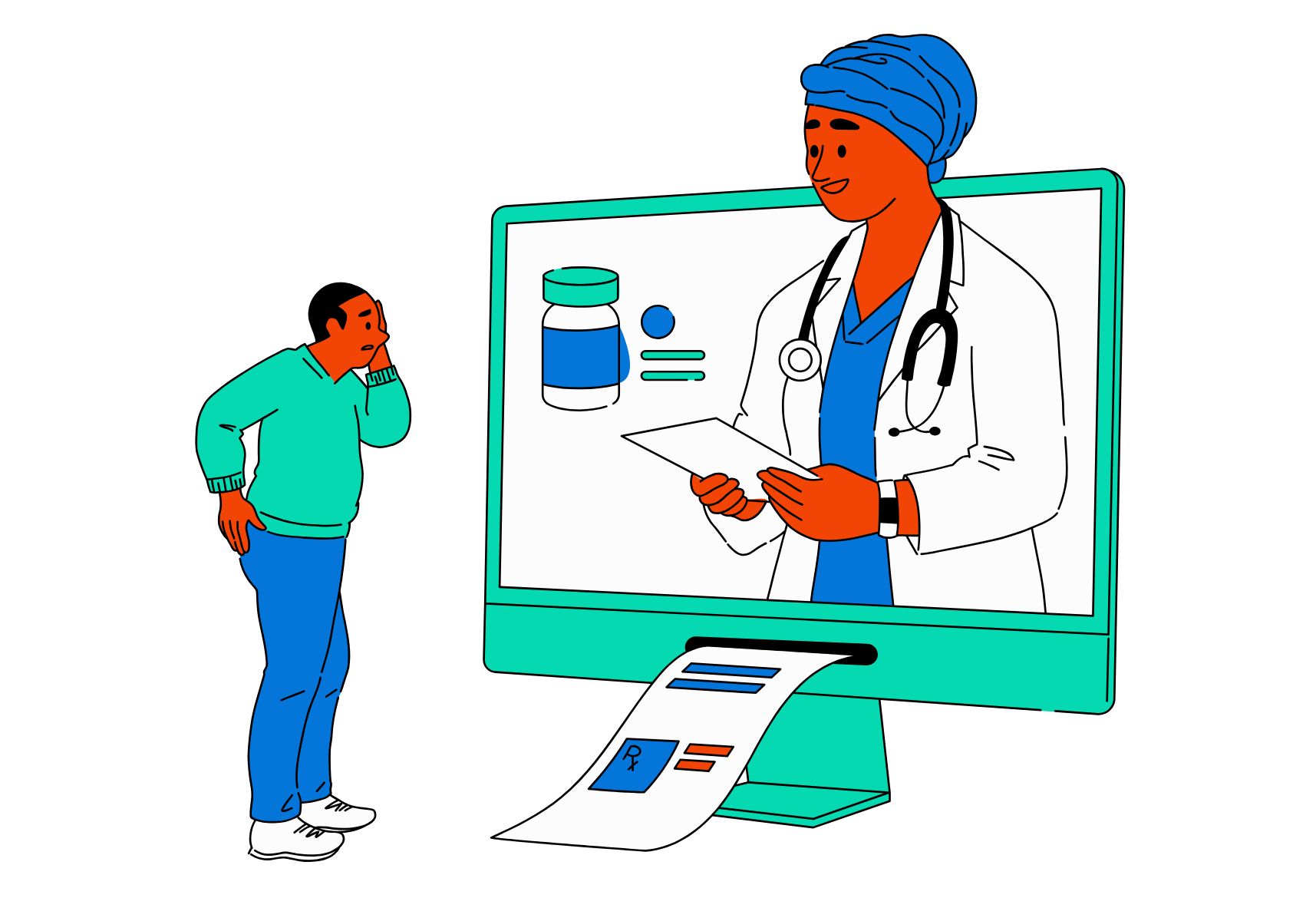
An important trend in diagnostics is the move to perform tests in locations other than the central laboratory. Test performed near, or at, the location of the patient is referred to as point-of-care testing.
Various tests can be performed in this manner. Some examples include tests for:
- Glucose levels
- Blood gases
- Cardiac markers
- Infectious diseases
- Coagulation
- Haematology
- Pregnancy
- Electrolytes
Test results can be immediately available to the healthcare team and thereby simplify and improve the overall process of patient care.
As with any test, there are a number of issues which must be managed. Among these are the challenges of training and qualifying the personnel who will perform the tests, and of reliably managing the data generated from the test. There is considerable interest to provide diagnostic testing to patients outside of the traditional hospital and laboratory setting. The use of digital technology and other diagnostic instruments will allow patients to perform tests outside the traditional healthcare setting, and automatically transmit the results to the healthcare team. Tests performed in the patient’s home or other remote location, are particularly useful to monitor patients with chronic diseases and to provide healthcare services to patients living in remote areas.A patient’s diagnostic information may be distributed across multiple and/or different healthcare service locations. Digital data is proliferating at an astonishing rate in all areas of the healthcare industry and diagnostics.
Care must be taken to integrate data in a manner which allows the complete diagnostic and healthcare picture of the patient to be defined and communicated.
Interoperability: Connecting the Diagnostic Landscape
For diagnostics to be data-driven, equipment and systems must be interconnected.
The laboratory system must be integrated with the hospital system. Devices must be linked to laboratory systems.
Systems must be integrated to capture and exchange data. Those systems must be adequately integrated to support various clinical and diagnostic subspecialties.Devices and systems must be integrated to support access and exchange of patient data to provide diagnostic information and assist in the care of patients. There is a risk that organizations will develop isolated systems and applications if there is an absence of systems integration.
There is an opportunity to provide diagnostic information to support and enhance the overall care of the patient if systems are designed and integrated in an interoperable manner.
Results vs. Real Time
There are implications for the design of diagnostic systems to support the capture, integration and interpretation of clinical data in a meaningful way for healthcare professionals. Traditionally, in the diagnostic system, the sample is collected, the test is performed and the result of the test is communicated to the user in the form of a report. In a more integrated and interactive diagnostic system, sample collection and test processing are integrated to provide clinical insights to the user.
Diagnostic systems and integrated health technology have the potential to support clinicians in the analysis of clinical data and the identification of pertinent clinical information to support the care of patients. The use of biomarkers can support the development of diagnostic systems to identify health conditions at an earlier stage. Earlier identification can support the development of systems and strategies to intercede in and/or modify the course of a health condition.
PRECISION CANCER DIAGNOSTICS AND THERAPY
Cancer illustrates the fusion of diagnostics with personalized medicine. Molecular anomalies in tumor cells differ considerably, and can result in phenotypically distinct tumor cells of the same origin. Contemporary diagnostic methods can discern such differences. In pathology and oncology, there is a trend to move away from the question “what is the nature of the cancer?” to “what is the cancer biology of the patient?”
Molecular biology and pathology provide the framework to address these questions. This creates the opportunity to individualize treatment based on the biology of the patient’s tumor, and not on the tumor site.
Pharmacogenomics: Individualizing Treatment
There is significant variability in the response to treatment among patients, which is attributable to several factors, including genetic variability.
The objective of pharmacogenomics is to elucidate such genetic variability to improve the selection of medications and alter treatment based on genomic information. Eventually, routine integration of pharmacogenomics in medicine may become a reality. Molecular Diagnostics of Infectious Diseases
In comparison to other specialties, the field of Infectious Diseases has lagged in adopting rapid diagnostic tests. With the use of molecular diagnostics, the identification of pathogens can be facilitated in a reasonably short time.
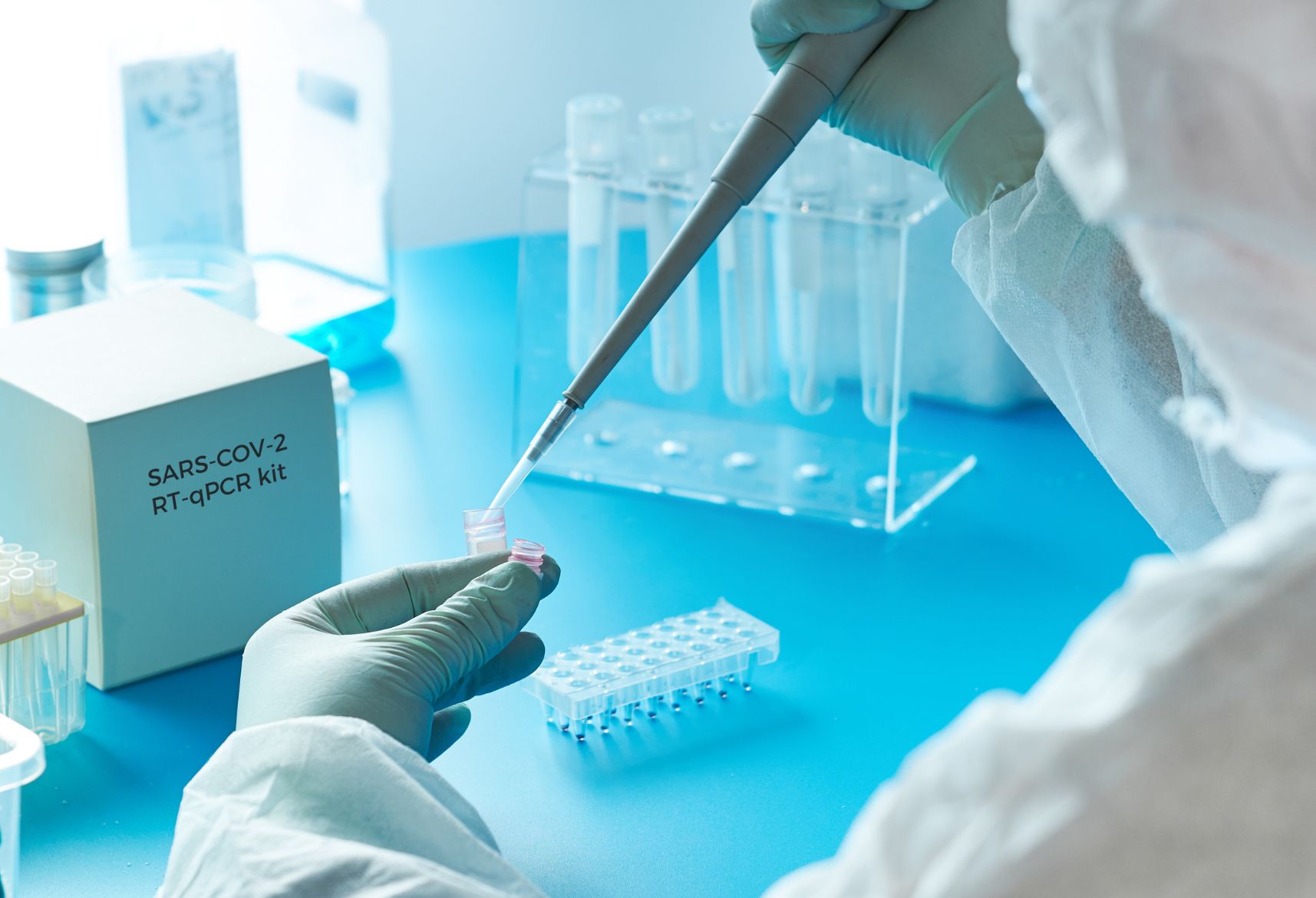
Reverse transcription polymerase chain reaction (RT-PCR) can be performed to detect RNA viruses. Molecular diagnostic methods can assist in the rapid identification of pathogens and initiate the appropriate treatment in an infectious disease.
Mass Spectrometry
Mass spectrometry (MS) helps identify and measure the amount of different compounds (e.g. drugs, metabolites, peptides, hormones, lipids, etc.) in a sample. It has numerous applications in clinical and other laboratories.
Some of the major areas include:
- Monitoring of body fluids and/or tissues for therapeutic drugs and/or toxic substances.
- Clinical chemistry
- Hormone analysis
- Metabolomics
- Microbiology
MS-based diagnostic tests will become more common as laboratory instrumentation and automation improve.
In what areas MS will replace other analytical techniques will largely depend on the factors such as cost and how well integrated the technology is with the laboratory’s workflow.
Precision Demands Precision
Advances in diagnostic technologies increase the importance of quality.
This includes:
- Sampling: The integrity of the sample must not be compromised during collection, transportation, and storage.
- Analytical: The instrument must be properly calibrated and quality control measurements must be performed.
- Data integrity: The data must be recorded, stored, transmitted, and retrieved reliably.
- Validation: The methods and results must be validated.
- Traceability: The information must be recorded and documented so it can be identified and verified.
Sophisticated diagnostic tools cannot replace or compensate for defective processes and quality. Reliable processes remain the cornerstone of quality diagnostics.
Accelerating Accurate, Personalized & Data-Driven Healthcare
Diagnostic Data and Information Security
Diagnostic data and information are confidential and should be protected.
The integration of diagnostice information systems increases the importance of information security. Healthcare organizations should implement appropriate and adequate policies, practices, and procedures that ensure the confidentiality and security of information. A diagnostic laboratory should integrate adequate and appropriate information security.
The Health Care Professional Remains Irreplaceable
Recent advances in laboratory automation do not eliminate the need for health care professionals. Roles will change more than occupations.
There will be a greater demand for professionals to do the following:
- Answer abstract questions using facts
- Spot irregular cases
- Understand the constraints of a system
- Integrate multiple inputs
- Draw rational conclusions
There will be less demand for professionals to perform rote activities. There will be a greater emphasis on professionals exercising higher-order judgment, rationale, and wisdom.
The field of diagnosis will undergo significant transformation. There will be increased availability of patient data due to the widespread use of personal monitoring technologies. Data will be generated using a multitude of sources (e.g. at-home diagnostic tests, clinical lab tests, genomic and molecular tests, digital imaging, etc.). A wide array of diagnostic data will be instantaneously integrated and interpreted using artificial intelligence (AI). These data will be analyzed in the context of the patient’s prior medical history. Healthcare decisions will be individualized based on this analysis. A future characterized by the conditions described above is very much possible. It does not necessarily mean that each person will interact with each of these diagnostic technologies.
Precision Diagnostics is Evolving
Precision diagnostics will continue to evolve to predict risk rather than identify disease. If there is adequate, quality data, it may be possible to determine risk within the population prior to symptoms of known disease manifestation.
This would enable a more proactive, preventative model of health care where the focus is to:
Detect, Diagnose, Stratify, Predict, and Prevent
The model would require appropriate judgment and responsibility. However, it illustrates that the field of diagnostics is advancing and incorporates a greater element of prevention.
The Future is Clear
New, advanced technology will integrate multiple diagnostic platforms. These integrations would allow greater, more varied and precise diagnostics. Such integrations would enhance pathology and laboratory medicine and provide research and answer previously unanswered questions in health and biology. Continuous, concurrent health assessment and monitoring would be possible. Health care and public health would benefit from the integration of dozens of advanced technologies.
Conclusion. The Edge of Precision.
In some respects, the evolution of healthcare has come to resemble the development of other data-intensive industries.
The production, collection, storage and analysis of data are important activities in the delivery of health services. However, the goal is not the production and management of data for its own sake. The goal is the creation and communication of valid and relevant information. Information that will influence the actions of the people who need it, when they need it.
That information may be understood in a number of different ways that will vary, depending on the situation. Precision diagnostics offers the opportunity to transform the clinical practice of health and health care. Traditionally, there has been a focus on the operational aspects of pathology, diagnostics and clinical laboratory science.
There has been less emphasis placed on integrating the numerous technology and service platforms that make up the pathology and diagnostics ecosystem. The focus on precision in diagnostics opens this opportunity.
There is little doubt that greater precision in health diagnostics will have an early and transformative impact on a variety of health and care service delivery systems. Precision diagnostics represents the future of health and care service delivery and integration. It will transform the healthcare services of the future.
Changes in Diagnostics
There are several ongoing changes in the field of diagnostics. One of the major changes is the shift of lab-based tests to different sites.
Some of the advantages of performing tests near the patient are:
- The result is available to the health worker taking care of the patient.
- The time between the test and its interpretation is decreased.
The type of tests that can be performed near the patient includes tests to measure levels of different substances in the blood and other body fluids, tests to detect various infections, pregnancy tests, tests to detect certain heart attacks, and tests to detect some abnormalities in the blood and blood clotting.
The potential negative effects of such tests include the risk of diminishing the quality of the tests performed due to lack of adequate quality control mechanisms.
Connecting the Diagnostic Landscape
Information systems need to be able to share data in order to create a true data-driven diagnostic environment. Laboratory information systems and hospital information systems must be able to communicate with each other.
Diagnostic devices must be able to connect with laboratory systems. Systems must be able to exchange data to ensure integrative functionalities.
Diagnostic systems must be able to communicate with clinical information systems. Interoperability must be achieved to prevent data silos. Interoperability allows data to be exchanged, and diagnostics to be integrated in the clinical workflow. It also enables data to be collected outside of the clinical workflow and exchanged with other data. From a Sample to an Insight
The traditional diagnostic process is linear. A sample is collected, a test is performed, the test result is reported and the cycle repeats. A more integrative approach enables diagnostics to be a part of the overall cycle and to play a more proactive role in the clinical workflow.
From Data to Insight, diagnostics must:
- Be integrated in the clinical workflow.
- Provide clinicians with the tools to identify anomalies and patterns in data.
- Support research and facilitate the application of new diagnostic technologies.
- Enhance diagnostic capabilities in order to detect, monitor and diagnose complex conditions.
- Achieve the same in less invasive, more timely and cost-effective ways.
Precision Oncology: Individualised Cancer Care
With cancers, there is often a fusion of diagnostics and individualized medicine.
There is a huge degree of variance at the molecular level, even with tumors that originated from the same organ.
Through various technological advances in diagnostics, we can discover and differentiate these variations. Molecular biology and genomics can be used to define tumors and guide treatment. Rather than ask “what kind of cancer does the patient have?” we can ask “what are the molecular and biological characteristics of the cancer?”
- This is the foundation of individualized medicine.
- Precision Medicine and Treatment
- There are many examples where individualization of medicine is essential.
A good example is pharmacogenomics.
- Genomic variations can impact an individual’s response to a certain drug.
- Pharmacogenomic testing can help characterize these differences.
- By individualizing medicine, it is our hope that adverse events from a particular treatment will be significantly less.
- The pervasiveness of genomic technology has allowed pharma-co-genomics to be more broadly implemented.
More specifically, in infectious diseases, an individualized medicine approach can be optimally implemented given the rapidity of new diagnostic tools and the emergence of resistant pathogens.
The Importance of Mass Spectrometry
Mass spectrometry is broadening its scope in various clinical and laboratory services. Mass spectrometers have the capability to identify and measure the quantity of different molecules, and as a result, can be used in fields such as:
- Pharmaceutical drug monitoring
- Forensic toxicology
- Clinical biochemistry
- Endocrinology
- Metabolites studies
- Infectious diseases
In combination with advanced automation in laboratory services, mass spectrometry has the capability to improve and extend diagnostic testing. It will be capable of performing a broader range of special tests, and also provide results with higher speed and accuracy.
Advances in Technologies and Diagnostic Tests
With the rapid growth of biomedical and diagnostic technologies, the focus has been shifted to quality.
Modern diagnostics is based on innovative technologies. However, one should not forget the basics of diagnostics, “fidelity in diagnosing is achieved by fidelity in performing the diagnostic procedures”.
Diagnostic Data and Cybersecurity
The information pertaining to the health of an individual, e.g. genomic data, diagnostic images, laboratory data, and health records should be protected from unauthorized access. Cybersecurity is of paramount importance as diagnostic systems become interconnected.
Healthcare Services should implement a range of countermeasures including:
- Access Management
- Data Encryption
- Data Transmission Security
- System Integrity and Availability Management
- System Audit Logs
- Data Backup
- Device Security
- Data Protection and Compliance
The integral Diagnostic Laboratory should be safe and secure. The human expert should not be replaced. New requirements will shape the work of diagnostic professionals.
They will need to do the following:
- Detect errors in data and/or knowledge gaps
- Recognize exceptions to rules
- Be aware of the boundaries of knowledge and the potential for uncertainty in the data, including the implications of integrating data from multiple sources
- Communicate information in a way that is understandable to medical personnel
- Make judgments based on the best available evidence
Diagnosticians of the future will be less encumbered with mundane, repetitive work and will be able to devote themselves more fully to the interpretation and evaluation of patient conditions.
The current approach to diagnosis relies on information collected by health professionals in a variety of settings. Information may be generated by the patient themselves using any number of diagnostic aids, from wearable sensors to Point of Care Tests to Molecular or Genomic Analysis.
Each of these diagnostics may be integrated with other digital and/or computational aids to facilitate analysis and interpretation of the data.
Ultimately, however, the diagnosis and related recommendations must be integrated with the patient’s medical history and other clinical data to create an individualized health and/or treatment plan. Each of these diagnostics need not be employed for every patient. The focus is to illustrate integrated diagnostic aids.
From Diagnostics to Risk
It is likely that the next phase of diagnostics will involve moving beyond identifying disease to encompass the ability to quantify risk. Many data-rich environments will undoubtedly begin to evaluate where, and in what ways, the signals of disease exist and are measurable in biology and/or clinical data prior to overt symptoms.
This would further enable a multi-faceted and integrated model of health and health care:
DETECT ← DIAGNOSE ← STRATIFY ← PREDICT ← PREVENT
Healthcare has an established and expanding interest to evolve risk assessment and risk management. It is essential that new diagnostics are responsibly innovated and rigorously evaluated.
The Future Belongs to Diagnostics
The future of diagnostics will be focused on integrating and merging a range of already established, but as yet undeveloped technologies.
Merging Genomics with Artificial Intelligence will increase the breadth and depth of diagnostic information. Deeper, richer, real time data will transform health and medical research and practice, including Digital and Automated Pathology.
Integrated technologies will span the continuum from the home to the clinic, and from the laboratory to the field. The most powerful diagnostics of the future will derive from integrating these technologies.
The Diagnostic Edge
Healthcare is generating more data. And with more data, we are building larger and more advanced databases. However, large data sets do not necessarily give rise to positive changes in healthcare.
Better health data is required. Better data, in turn, is dependent on timely access to relevant information. It is our responsibility to ensure that the information we collect helps answer the right clinical questions.
Precision diagnostics focuses on producing actionable data for physicians. It relies on advanced technologies to integrate and analyze large and growing sets of biomedical information.
There is an ongoing transformation of diagnostic services and platforms. Traditionally, diagnostic samples were sent to central laboratories for analysis.
However, advances in point of care technologies allow for diagnostics to occur in a variety of locations. Furthermore, clinical information is integrated with a vast amount of genomic, proteomic and metabolomic data to provide comprehensive reports. Furthermore, artificial intelligence and other advanced computing techniques will influence diagnostic imaging.
The rate of change in diagnostic services will challenge healthcare professionals to integrate timely, relevant and actionable data to change practice. Precision diagnostics will transform the practice of medicine by providing healthcare practitioners with the tools to deliver individualized care.