


Healthcare systems are complex. The hospital is the most challenging of all. Healthcare personnel including physicians, nurses and allied health staff, crowd the same confined areas.
The nature of the work in the hospital creates a sense of urgency. Thresholds of what is acceptable in other sectors of healthcare are redefined for the hospital. In the last few decades, improvements in hospital technology outpaced similar improvements in other parts of the health system.
As new innovations in technology reshaped the practice of healthcare, hospitals embraced the changes.
Today, innovations in healthcare and allied industries intersect to raise the threshold of what a hospital can do. A hospital equipped with the most advanced diagnostic and treatment technology can still miss the mark for care that is optimally safe, efficient and effective. True optimization requires building a digital, intelligent and connected healthcare system. However, the promise of technology should not eclipse the fundamental objective to build a hospital where technology is integrated to transform the way care is provided.
The focus should be on the patient:
- AI systems can be valuable in spotting trends.
- Automating processes can help minimize the need for administrative work.
- And virtual networks can help extend the hospital out into the home.
This transforms:
- The intra-hospital focus of healthcare to a wider, inter-connected health care service.
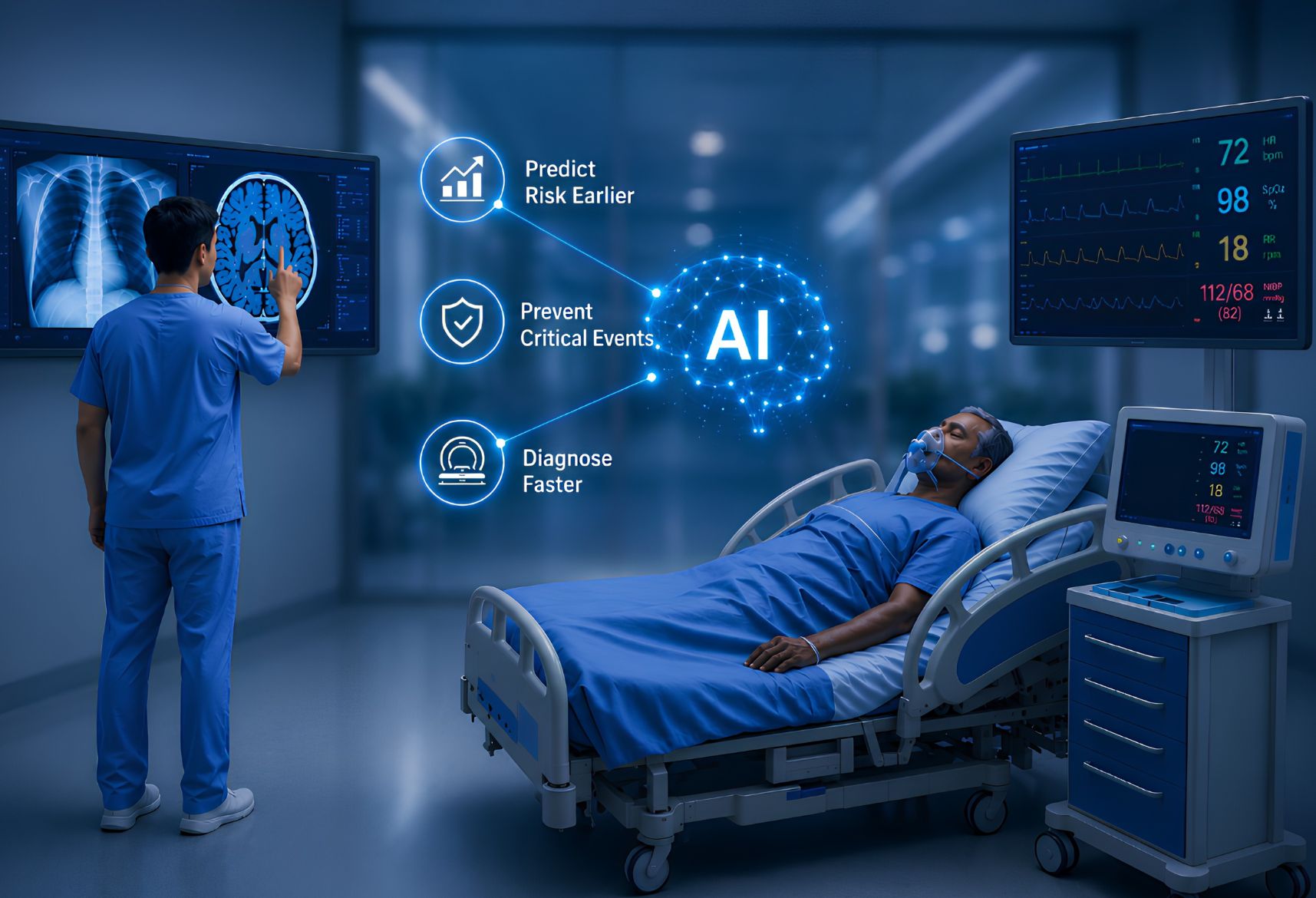
- The introduction of artificial intelligence (AI) into clinical services
- Artificial Intelligence is considered to be one of the most significant developments in the field of Medicine and Healthcare.
It has numerous potential uses throughout the hospital and healthcare service.
It can be used to:
- Analyze and interpret medical images.
- Provide clinicians with knowledge and evidence to assist them in making decisions.
- Assist in recognizing conditions, symptoms, and risk factors.
- Analyze and interpret laboratory data.
- Assist in the discovery and evaluation of biomedical and pharmaceutical products.
- Assist in the planning and management of services, resources and staff within the hospital.
- Automate, integrate and manage various clinical and administrative processes and services.
- Communicate with patients.
From intelligent diagnostics and robotic surgery to connected patient records and predictive care, technology is transforming the modern hospital from a place of treatment into an integrated, data-driven healthcare ecosystem.
It can help clinicians by analyzing data, interpreting information and working at the “coal face” of the profession.
Transforming the Emergency Department
The Emergency Department is a prime example of a healthcare service environment that requires an immediate response.
Utilizing AI for patient management, combining various forms of patient monitoring, and streamlining employee workflow can improve the management of Time Critical emergency situations.
It is important to have real-time information on:
- The number of patients and the length of time they have been waiting
- Where available, treatment and/or diagnostic beds
- The level of clinical need
- The results of tests and procedures
- Employee availability and use
Improving the speed with which the work is done is important, however, it is more critical that the work is done at the times that are of the greatest clinical value.
Diagnostics is the Center of the Medical Universe
It is becoming easier to bring together the pieces of information that facilitate a diagnosis. New integrative technologies are changing the way information is gathered and shared.
In Laboratory and Diagnostic Medicine the integrations and innovations include:
- High speed and automated sample and assay processing
- Digital and other Advanced Imaging Technologies
- Laboratory Information Systems
- Robotics and Integrative Workflow Systems
- Point of Care Tests
- Molecular Diagnostics and other Advanced Microbiology tests
Through the integration of all of these the Laboratory and Diagnostic Medicine can become an even more valuable partner in Clinical and Medical Service Delivery. The magnitude of the changes that will occur in Diagnostic Medicine will depend on how effectively integrative technologies facilitate the timely, and in the right circumstances, real time, availability of diagnostic information to Clinicians.
Opportunities include:
- Remote consultations
- Digital archiving
- Virtual teaching
- Standardizing business processes
- Artificial Intelligence
- Quantitative pathology
- International/Inter-institutional collaboration
AI is also currently being developed to assist pathologists by identifying abnormalities and performing quantitative assessments. The pathologist will always play the major role in diagnosing disease.
However, there will be a shift from assessing individual specimens to evaluating digital data. Advances in technology will also allow other forms of medical imaging and diagnosis to evolve to incorporate higher levels of automation, intelligence, and machine learning.
Medical imaging is evolving to to incorporate the following:
- Capture and analyze large amounts of data
- Interpret and integrate information
- Assist and empower care providers to improve the quality of patient care
This technology has allowed the scope of medicine to transition from the hospital to the community. There are emerging technologies which will allow patients to be continuously monitored and assessed in the home environment. This includes assessing and evaluating patients for abnormalities such as hypoxia and hyper/hypoglycemia, activity and sleep quality. These technologies have the potential to facilitate a shift from intermittent, episodic health care to continuous health care.
Between clinical appointments, healthcare workers can now, in some instances, obtain information about patients electronically, thereby virtually extending their routine into the patient’s environment. The hospital is connected to a larger health care network. Remote patient monitoring has largely been implemented for management of chronic conditions and for high risk patients.
It has been implemented for post discharge care. The real innovation here is in the development of systems to integrate telehealth, remote patient monitoring, mobile health and other wireless technologies.
The traditional model of providing health care (where the patient is physically brought to the health care worker) is reversed. New systems allow health care workers to remotely monitor patients, perform diagnostics and deliver therapeutic interventions.
The key to the success of remote health care is in the development of a number of systems. Surgery is one of the areas where the introduction of advanced technology is transforming traditional medicine.
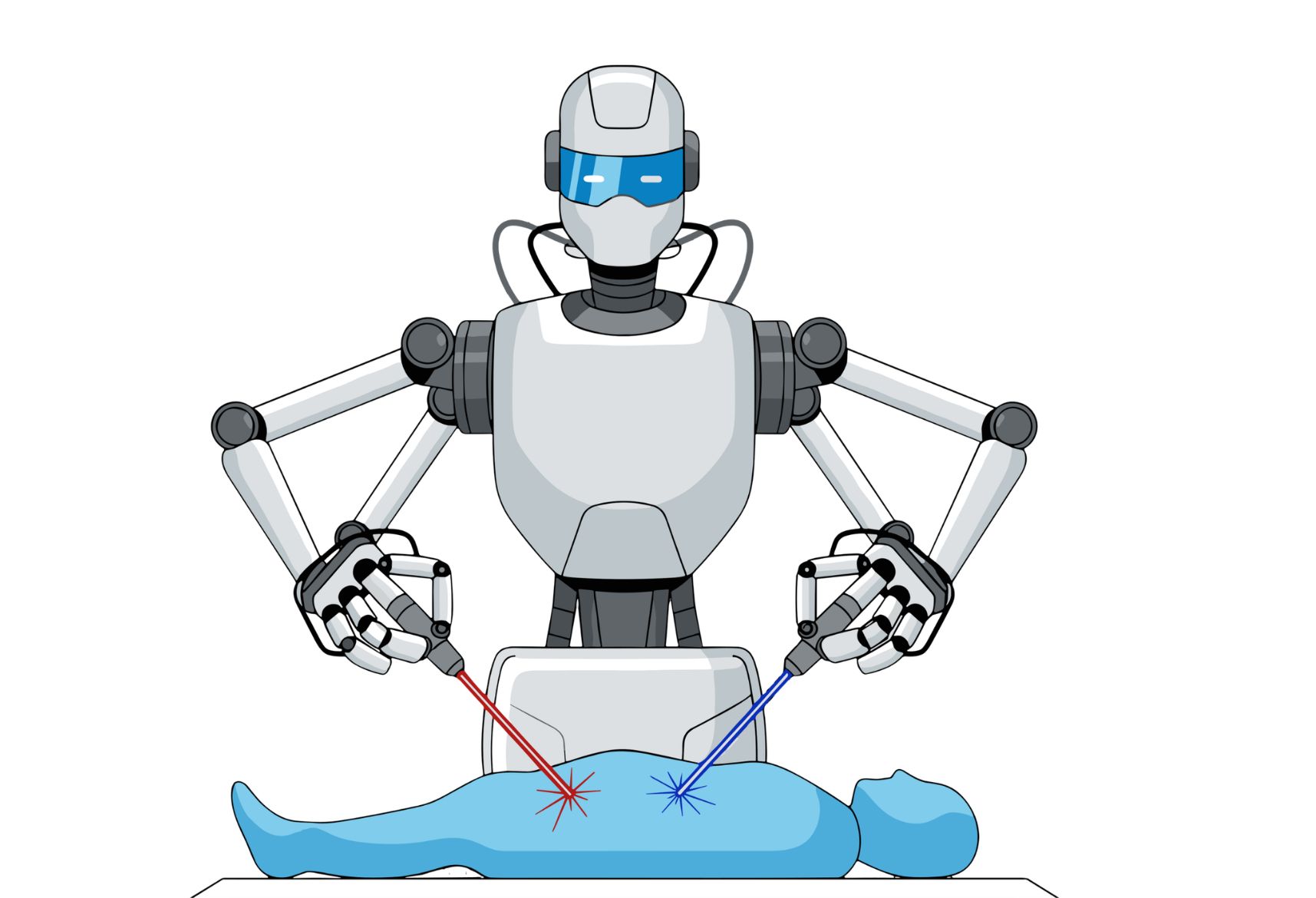
Surgical robots allow surgeons to perform operations that they previously were unable to do because of the inherent limitations of the human body. For instance, robotic systems can provide motion and precision that is impossible for human beings.
However surgical robots are tools that help surgical teams to perform operations that previously were not feasible.
There are a number of other systems that involve the use of advanced technology that allows a surgeon to extend his capabilities.
What’s Happening Outside the OR?
Most of the major changes in hospitals will probably happen outside the operating rooms. Hospitals are made up of hundreds of identical processes that repeat themselves. Those processes include scheduling, managing and moving hospital supplies and equipment, delivering and transporting lab samples, medial and other supplies, and other specimens, and controlling and managing the flow of instruments through the sterilization process. Other processes include billing and managing electronic documents.
Most of the processes that make up the everyday operations of a hospital can be supported by automation. The use of automated and robotic transport systems, pharmacy and other automation systems, and digital workflow management systems can minimize employee movement and help management better control hospital operations.
Not all hospital innovations and improvements need to be directly related to patient care to result in better and safer care.
An improvement in the hospital’s logistical operations can improve the clinical operations of the hospital. Medication management is perhaps the most complex process in the operation of a hospital.
The use of integrated, automated systems can help manage and control medication management.
Those integrated and automated systems would link the various processes from the prescribing of the medication to the monitoring of the patient and all the other processes in between.
The other processes and systems in a hospital can be transformed from being data generating and data poor to being data rich and integrated.
That data can be used by hospital staff to continuously monitor patients and help better manage the operational and clinical processes of the hospital.
AI and advanced analytics could assist clinicians in identifying patterns in larger and more varied datasets. Accelerating the development of predictive analytics to identify patient trends and variances should be an area of focus.
While autonomous machines will not be making clinical judgments and decisions in the near future, machines will be able to assist clinicians in interpreting and analyzing data in ways that go beyond current capabilities.
The introduction of digital twin technology to healthcare will allow hospitals to create and test various hypothetical scenarios prior to making physical changes to their facilities. The cardinal rule of medicine is to “do no harm,” and while most healthcare innovations focus on improving procedures to benefit patients, the improvement of systems that govern the administration and delivery of healthcare services should be equally prioritized. The inclusion of digital and systems engineering innovations within the hospital environment will improve system optimization for healthcare services. New developments in wireless technology and miniaturization will integrate medical devices to the point that they will disappear.
Medical equipment will become part of the digital hospital. The convergence of computing and medical devices will augment the practice of telemedicine. Information gleaned from intelligent and pervasive medical devices will optimize healthcare service delivery and facilitate decisions ranging from patient monitoring and care to scheduling and logistics. Predictive analytics will integrate with clinical decision support and augment the work of clinicians.
The Internet of Medical Things
The expansion of interconnected medical devices has led to the development of the Internet of Medical Things (IoMT).
The IoMT can connect various medical devices and allow clinicians to access patient data anywhere in a health care facility.
Some examples of medical devices that can be connected by the IoMT are:
- Wearable devices
- Patient monitors
- Infusion pumps
- Diagnostic devices
- Imaging equipment
- Hospital equipment
Medical equipment can be connected to the IoMT to collect and relay data to other devices and healthcare personnel.
A device can provide data. A connected system can provide context. Rising cybersecurity threats require even more protection for patient data. The integration of various medical devices increases the attack surface for hackers. Hospitals must integrate connected medical devices in a way that does not compromise the security of patient data.
Connected Devices should be able to transmit data in a way that ensures:
- Accuracy
- Context
- Privacy
- Traceability
There is a risk that connections between devices create digital dividends.
The focus of technology in healthcare should be on integrating systems that improve the overall workflow and support clinicians, rather than promoting additional fragmentation.
Transformation of the Electronic Health Record
EHRs have primarily affected how clinicians document care. Now, efforts are underway to optimize EHRs to answer the clinical question “What is the right thing to do for this patient?”
We need to improve our digital infrastructure to support clinicians and help navigate the disparate sources of data. The goal is to minimize the number of clinical questions requiring an answer.
Notable advances in EHRs have the potential to transform the practice of medicine by facilitating care that is more proactive and more individualized. We explore a future where the focus in medicine shifts to how do we best incorporate the vast and ever-increasing amount of available data to personalize and enhance care, rather than how do we innovate to create opportunities for care that transforms from reactive to proactive.
Digital innovations are rapidly changing how healthcare is delivered. Powerful, data-driven, digital innovations will further transform medicine. One day, individualized care based on a patient’s genome, other omics, environmental exposures and clinical conditions may be attainable.
This means that the focus of the future hospital will be:
“What is the best way to treat this patient?”
and less on:
“What is the best treatment for this illness?”
The Human Aspect of the Digital Hospital
The more the hospital of the future relies on technology and digital systems, the more it will rely on its staff to bridge any digital gaps.
Patients experience the healthcare system through staff members and will form opinions about the system based on the staff they encounter.
A digital hospital must foster:
- The best possible patient experience
- The strongest healing environment
- The deepest compassion
- The greatest level of safety
Healthcare workers of the future will be less in control of their environments as technology becomes more ubiquitous.
The Future of Staffing
Trends in the types of staff members that will be part of the hospital workforce will more closely resemble the staffing models found in other sectors, including ICT, Biomedical Engineering, and Data Science, to name a few.
Toward the Hospital of Tomorrow
Technology will continuously develop and evolve; however, the buildings that house healthcare services will not progress at the same pace. The hospitals of the future will need a cohesive and strategic plan.
1. Utilize current data to build a foundation
Reliable data is essential to developing and advancing any organization.
2. Integrate and connect existing systems
The ability for systems to communicate with each other will lead to further streamlining of processes and a reduction of manual effort.
3. Integrate technology to minimize effort
Advancements in technology should enable further automation of system and process control.
4. Utilize Artificial Intelligence (AI) to improve outcomes
The integration of AI in healthcare will lead to the automation of clinical tasks and processes.
5. Maintain security
Security should be of primary consideration in the design of a system.
6. Education
The incorporation of new and emerging technology will require education of the workforce in how to utilize the new technology as well as how to challenge and assess its limitations.
7. The focus of all advancements should be the patient
Healthcare should improve for the patient through the strategic and effective integration of new and innovative systems.
How will Hospitals of the Future Look Like?
It is likely that hospitals of the future will employ many of the same clinical practices as in the past; for example, surgeries will still be performed, and diagnostic tests will still be ordered and evaluated. However, how those practices will be supported and integrated through technology will greatly transform how patient care is delivered. The technology will be integrated behind the scenes.
New technology may facilitate some of the following:
- Patient registration will be automated, and patient triage may be facilitated by artificial intelligence.
- Diagnostic testing may be integrated and automatically routed for analysis.
- Laboratory tests may be fully automated and integrated with other systems to facilitate the delivery of care.
- The integration of systems and the use of artificial intelligence to assess and interpret data may facilitate the delivery of care.
- Real time monitoring of patients may allow healthcare workers to deliver care to patients before they require it.
The focus of care delivery will shift from a reactive approach to an integrative, proactive approach to healthcare.
Future of Hospitals
- The hospital with the most equipment in the future won’t necessarily be the best.
- The hospital where the best integration of staff, data and technology occurs will be the best.
- Use of Artificial Intelligence (AI) will help interpret and analyze data.
- Tasks done by staff can be aided or replaced by technology.
- The use of robotics will help extend the impact of staff.
- Advances in technology will help connect patients and help them remain engaged even after they leave the hospital.
- Use of advanced data and technologies will help provide and maintain visibility and help answer clinical questions.
- Advances in diagnostics will help clinicians understand and answer clinical questions.
- Effective integration of data will help bring and answer clinical questions.
- The future of reinventing hospitals lies in helping staff and clinicians incorporate the advances in technology and data to answer clinical questions.
Technology and Trends in Healthcare
The trend in Information Technology (IT) and the integration of Artificial Intelligence (AI), automation, digital and connected health will help reinvent healthcare. The focus will be on how best to integrate these technologies and maintain responsibility in healthcare. The future hospitals will remain committed to the principles of healthcare, and integrate technology to remain safe, effective and efficient in meeting the needs of patients.