


The inclusion of laboratory medicine in healthcare is continuing to expand. Rather than being relegated to processing samples on the sidelines, laboratory medicine is at the forefront of the evolution of precision medicine, disease prevention, and public health. Almost 70% of clinical decisions are based on laboratory results. This makes laboratory medicine an essential component of the healthcare delivery system.
The Positive Effects of Advanced Diagnostics, Automation, & Digital Innovations on Patient Care
Molecular diagnostics, artificial intelligence (AI), laboratory automation, and digital pathology are examples of the tools and innovations being incorporated into clinical laboratories. These innovations are being used to provide diagnostic insights that are being relied upon more than ever before. The reliance on laboratory results is also being used to improve the outcomes of patients by better monitoring the treatment of patients and by assisting in the early detection of diseases.
The incorporation of digital innovations into healthcare is also being used to transform laboratories into smart diagnostic centers.
The Modern Role of Clinical Laboratories
Laboratories provide critical insight into almost every aspect of patient care. This can include everything from the diagnosis of an infectious disease, the determination of a cancer biomarker, or the evaluation of a chronic disease.
The majority of modern medicine relies upon the information provided by a clinical laboratory.
- Therapeutic drug monitoring.
- Infection control.
- Preventive healthcare screening.
- Public health surveillance.
- Precision oncology.
- Organ transplantation support.
During laboratory medicine’s critical response to the testing demands of the COVID-19 pandemic, it also showed the importance of laboratory medicine to the healthcare delivery system.
- Automation and Its Impact on Modern Laboratories
- Automation is changing the landscape of healthcare laboratories.
The majority of routine tasks are now handled by automated systems.
These tasks include:
- Sample reception
- Barcode reading
- Centrifugation
- Aliquot preparation
- Specimen transport
- High-throughput testing
- Results validation
Automation makes tasks easier and improves the speed and accuracy of lab testing.
Newer iterations of Total Laboratory Automation (TLA) are able to incorporate and streamline most of the laboratory disciplines including:
- Clinical chemistry
- Immunoassays
- Hematology
- Coagulation
- Microbiology
Benefits of TLA systems include:
- Increased Efficiency
- Reliability
- Lower Costs
- Greater Safety
The Role of Artificial Intelligence in Healthcare Laboratories
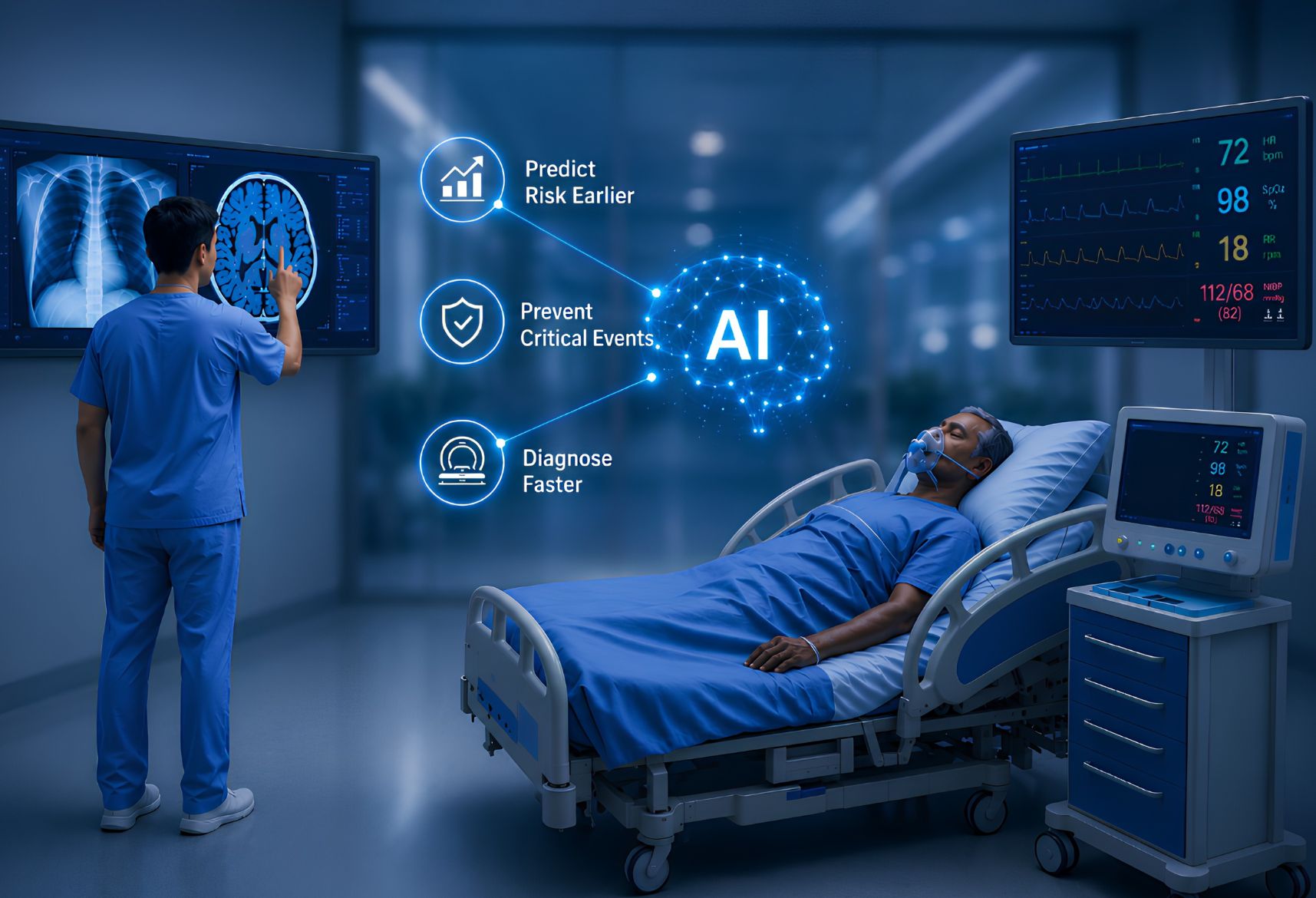
AI is the future of laboratory medicine and is already helping many healthcare professionals. Now that laboratory professionals have the ability to delegate the review of large sets of data, they are able to focus on more important and complex tasks.
AI has already been adopted for use in:
- Monitoring digital pathology
- Blood smear reviews
- Cancer screenings
- Predictive analytics
- Quality control
- Optimization of laboratory workflows
- Predicting instrument maintenance
AI should be viewed as a productivity booster that will help laboratory professionals offer diagnostic services with greater confidence. Molecular Diagnostics and Their Role in Treatment
Molecular diagnostics are changing the detection and treatment of diseases.
Some of these technologies include:
- PCR
- Real-Time PCR
- Digital PCR
- Next Generation Sequencing (NGS)
- CRISPR diagnostics
They can now help healthcare professionals much earlier than they have been able to help with the clinical symptoms that will eventually progress to help them.
These technologies can be used to help clinicians with:
- Detection of infectious diseases
- Cancer diagnostics
- Detection of rare diseases
- Prenatal diagnostics
- Pharmacogenomics
- Companion diagnostics
This technology allows clinicians to target treatments to a patient much more effectively and avoid wasteful treatments.
Digital Pathology Is Changing How Diagnoses Are Made
Digitization of glass microscope slides is now a thing of the past.
Digital pathology allows pathologists to:
- Examine slides from anywhere
- Work with specialists from any country
- Leverage AI for image analysis
- Digitally store case files
- Diagnose with more consistency
Telepathology is especially useful for hospitals that may not have easy access to the specialist expertise that they require due to the location of the hospital.
For digital pathology, the telepathology model helps speed up cancer diagnosis by making the case flow more efficient and providing support for multidisciplinary care teams.
Diagnostic Laboratories Are Moving Closer to Patients
Healthcare continues to move away from centralized laboratories.
With the advent of Point-of-Care Testing (POCT), diagnostic tests can now be performed in:
- Emergency departments
- Intensive Care Units
- Operating Rooms
- Physician Clinics
- Ambulances
- Community Clinics
- Patients’ Homes
The immediacy of the test result allows the clinician to make a treatment decision without delay and helps save valuable time and even patients’ lives.
Examples of POCT include:
- Blood glucose
- Cardiac biomarkers
- COVID-19
- Influenza
- Urine pregnancy
- Blood gas
As POCT technology continues to advance, the integration of POCT into routine healthcare will be the norm.
Digital Connectivity Is Creating Smart Labs
Modern laboratories create large amounts of diagnostic data every day.
Digital systems like LIMS and LIS assist laboratories in the effective management of large amounts of data.
Connected laboratory ecosystems make possible:
- Automated result reporting
- EMR integration
- Instrument connectivity
- Quality management
- Regulatory compliance
- Remote monitoring
- Data analytics
Cloud computing and cybersecurity have made secure collaboration possible across multiple hospitals and diagnostic and research laboratories.
Quality and Accreditation of Services and Products
New technology must include the highest level of quality.
ISO 15189 involves several criteria to guarantee accuracy and safety in patient results, including calibrating tools, assessing employee skills, and incorporating internal and external measures and controls for quality assurance programs. Continuous quality improvement focuses on sustaining trust in lab results.
Sustainability Is Prioritized
Establishments consume significant resources. Some laboratory practices reduce the consumption of:
- Water
- Chemicals
- Energy
- Laboratory plastic
Some examples of sustainability practices include:
- Waste reduction plastic
- Managing laboratory stock
- Using laboratory chemical reagents
- Choosing design
- Reducing energy-consumption
- Applying digital documents
- Green laboratories
Sustainable laboratories help the environment and reduce costs of operating a laboratory. Sustainable laboratories help reduce the negative costs of operating a laboratory while reducing the negative impact on the environment.
Laboratory Problems in the Present
Laboratories have many issues even with the advanced technologies since the introduction of technologies to laboratories.
Some issues present are:
- Costs to operate a laboratory are increasing
- Not enough workers
- More tests are being ordered
- Cyber concerns
- Laboratory regulations
- Managing data workloads
How to connect platforms with other technologies
To solve these issues the focus must be on developing the technology, workers, and the infrastructure along with innovative practices.
Smart Laboratories of Tomorrow
The laboratories of tomorrow will focus on the patient and will be even smarter.
Some of the technologies that will be used are:
- Laboratories that operate on their own with robotics
- AI to help with diagnostics
- Laboratories that optimize themselves digitally
- Diagnostics that encompass all omics
- Biosensors that are wearable
- Laboratories and patients connected in a digital Cloud
- Laboratories will be able to monitor patients continuously
- Laboratories will be able to see and manage healthcare records through Blockchain
- Laboratories will be able to integrate real-time diagnostics in a secure digital Cloud
- Laboratories will be able to measure and evaluate patient diagnostics from anywhere at any time
Laboratories have the potential to move in the direction of not just helping to prevent the diagnosis of a disease but to also help to prevent the negative impacts to the patients from risk to their health.
Conclusion
Clinical laboratories today are essential healthcare partners that shape every aspect of the patient experience. Modern laboratories are capable of faster, more precise diagnoses that lead to improved outcomes and are the product of many of the advances in automation, artificial intelligence (AI), molecular diagnostics, digital pathology, and integrated, connected lab networks.
The data-driven, personalized future of healthcare will rely on laboratories for continued progress and innovation. Laboratories will integrate and connect the various scientific and medical disciplines to provide critical insights that continue to improve and save patient lives. Future laboratories will be more than diagnostic services.