


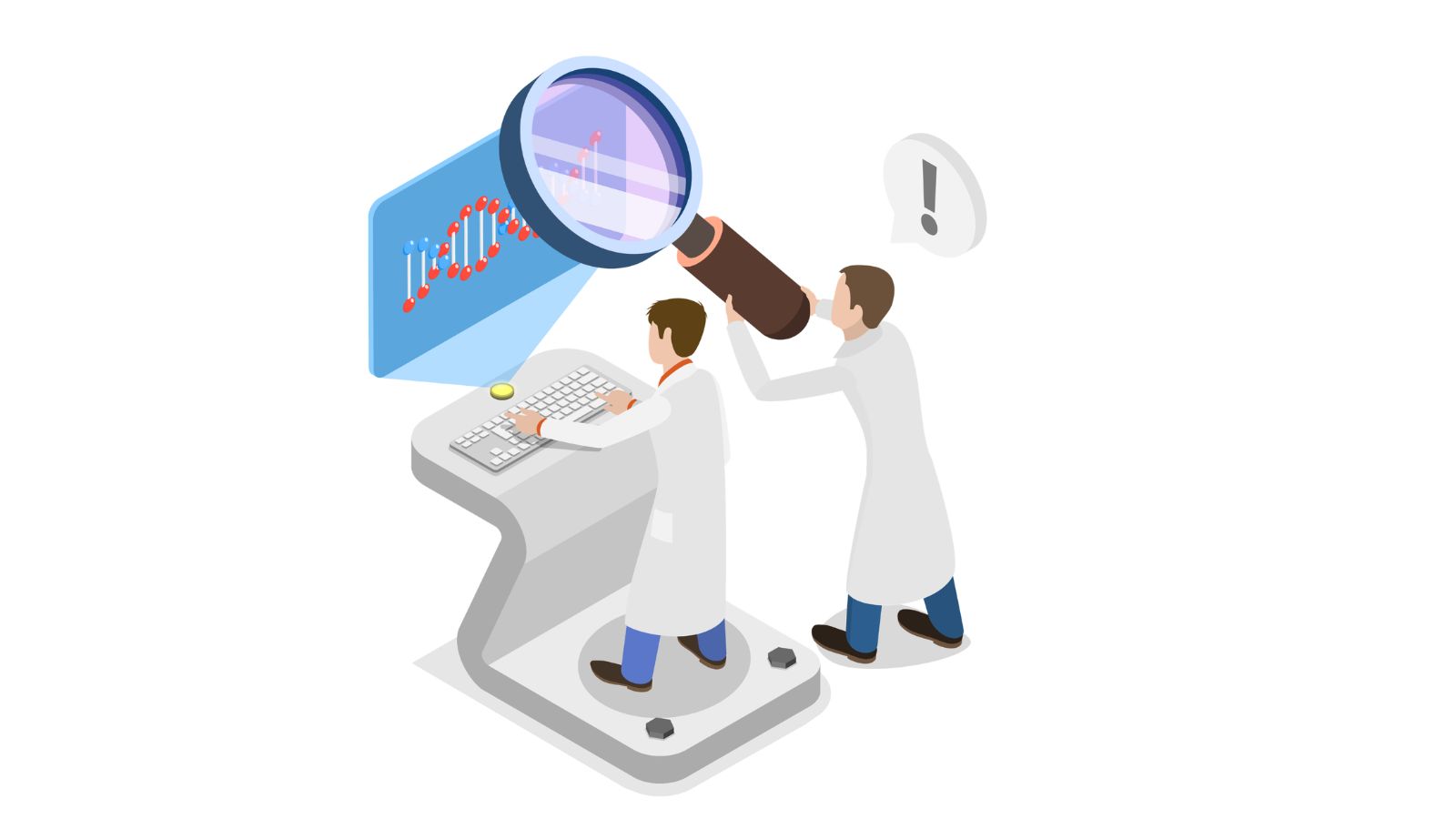
The future of diagnostics isn’t about being the first to detect a disease. The future of diagnostics lies in the ability to quantify risk, facilitate customized treatment and provide answers with more speed and efficiency than anyone else.
Clinical Diagnostics in a New Age
Healthcare systems are in the middle of a major overhaul the likes of which hasn’t been seen in a long time.
Clinical labs, which were once thought of as the check-box departments, are now the building blocks of the 3P’s of Medicine: Precision, Predictive and Personalized. Every treatment, Every diagnosis, and Every therapeutic intervention increasingly relies on the quality and the timeliness of lab results.The convergence of multiple technologies such as Artificial Intelligence (AI), automation, digital and virtual pathology, high-through put sequencing and cloud computing are propelling the efficiency and the clinical utility of lab diagnostics like never before.
Laboratories of the future are already a reality. They are more efficient, effective and interconnected.
Importance of Diagnostics
Health care professionals estimate that 70% of all clinical decisions are based on the results of laboratory tests. Laboratory diagnostics are critical to virtually all facets of patient care, whether it is diagnosing and managing an infectious disease, monitoring and managing chronic disease, early detection of cancer, or designing and implementing targeted therapies.
Innovation in clinical labs is being driven by a confluence of trends:
- the growing global burden of chronic disease,
- the demand for earlier detection of disease,
- advances in personalized medicine,
- increasing workloads in the laboratories,
- the need for quicker turnaround times, and
- digital health.
Clinical laboratories are starting to act more like intelligent diagnostic hubs than simple testing centers.
Artificial Intelligence: The Smartening of Laboratories
Laboratories are becoming more intelligent and automated, thanks to advances in Artificial Intelligence.
AI improves the efficiency of laboratory professionals by taking over laborious tasks and offering better diagnostic solutions instead of replacing them.
Examples of AI use include:
- Automatic diagnosis for pathology slides
- Finding abnormal blood cells
- Finding infectious organisms
- Quality assurance
- Optimal function of instrument
- Predictive maintenance
- Smart sample distribution
- Assistance in clinical decisions
With the addition of more diagnostic data, Machine Learning (ML) algorithms become better and help labs work smarter and faster with minimal errors.
Total Laboratory Automation
Automating tasks has become one of the largest areas of funding in clinical labs.
Currently, Total Laboratory Automation (TLA) includes the:
- Receiving of samples
- Identification with barcodes
- Centrifugation
- Aliquoting
- Transport to analyzers
- Loading
- Validation
- Storage of samples
Robotic systems have the ability to handle thousands of samples.
TLA leads to:
- Quick sample turnaround
- Minimal manual sample handling
- Improved biosafety
- Reduced costs
- Better optimization
- Improved workflows
Laboratory professionals can invest their time in other analytical tasks instead of repetitive manual tasks.
Molecular Diagnostics Leading Precision Medicine
Detection of disease has been revolutionized by molecular diagnostics. There is no longer a need to wait for the manifestation of a disease to know of its presence. Molecular technologies focus on changes in the cells, genes and viruses at a much lower level.
Technologies such as:
- PCR
- RT-PCR
- Digital PCR
- NGS
- CRISPR diagnostics
- Liquid Biopsy
- Multiplex Molecular Panels
Determine the presence of diseases in the areas of:
- Oncology
- Infectious Diseases
- Genetic Disorders
- Prenatal Screening
- Transplantation
- Rare Disease
- Pharmacogenomics
Molecular laboratories have provided the foundation for tailoring treatment options for individual patients.
Next-Generation Sequencing (NGS) has expanded its clinical applications and is no longer a technology solely used in research. With NGS, the rapid and precise analysis of DNA and RNA is possible.
Applications include:
- Analysis of cancer mutations
- Hereditary disease diagnosis
- Carrier detection
- Sequencing of the entire genome
- Sequencing of the entire exome
- Surveillance of microorganisms
- Monitoring of antimicrobial resistance
NGS continues to be implemented in more hospitals around the world, thanks to the continual decline in the cost of sequencing.
Digital Pathology Redefining Diagnostic Accuracy
Pathology used to involve the viewing of glass slides through the microscope. Digital pathology involves the ultra-high resolution scanning of entire glass slides into digital images.
Benefits include:
- Pathology consultations at a distance
- Diagnosis aided by digital pathology and artificial intelligence
- Rapid report generation
- Pathology collaboration
- Digital storage
- Pathology education
- Pathology workflow management
Digital pathology and artificial intelligence can assist pathology in the detection of subtle abnormalities. Point-of-Care Diagnostics Bringing the Laboratory to the Patient
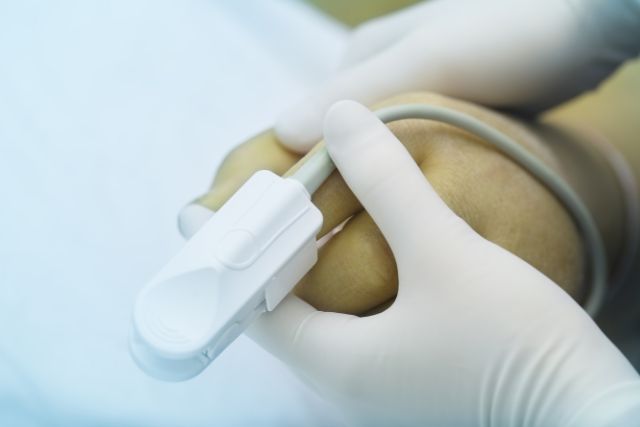
Healthcare can now be conducted outside the hospital.
Point of Care Testing (POCT) can take place in:
- Emergency departments
- Intensive care units
- Outpatient clinics
- Ambulances
- Rural healthcare centers
- Patients’ homes
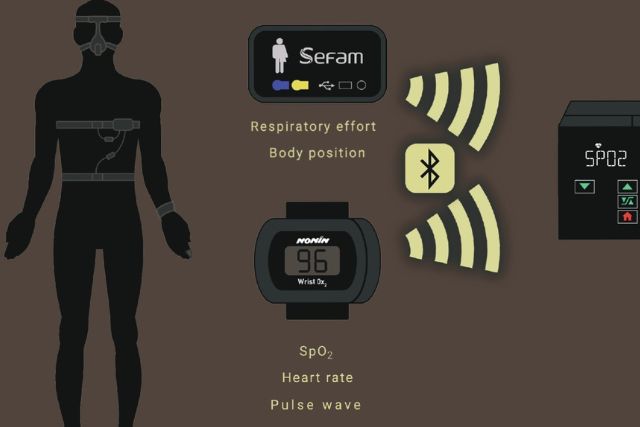
Laboratory testing can now be made portable with:
- Blood glucose
- Cardiac markers
- Infectious diseases
- Coagulation
- Blood gases
- Pregnancy
Rapid diagnosis can enhance clinical decision making and improve the efficiency of treatment. Automation of Microbiology Laboratories Automation has been highly successful in clinical microbiology.
Modern systems can now perform:
- Automated culture processing
- Colony imaging
- Microbial identification
- Antibiotic susceptibility testing
- Colony recognition aided by artificial intelligence
The introduction of mass spectrometry, especially MALDI-TOF, has greatly improved the speed of microbial identification, with times being reduced from days to mere hours. Rapid microbiology facilitates a faster clinical decision of treatment, and supports the efficient use of antimicrobials.
Cloud-Connected Laboratories
The digital framework being used in laboratories has greatly enhanced the interconnectedness of laboratories.
The modern LIMS and LIS streamline workflows by connecting laboratory instruments with clinicians and the hospital information systems.
The advantages of cloud technology include:
- Remote access
- The ability to share data
- Real time data reporting
- Instrument integration
- Quality management
- Regulatory documentation
- Business intelligence dashboards
- The ability to connect digitally.
- Quality and Regulatory Compliance
Labs with advanced technologies must balance those with quality, and modern labs are using:
- Automated quality control
- Electronic audit trails
- Digital documentation
- Instrument traceability
- ISO 15189 Standards
- Risk based quality systems
- Active monitoring of processes.
Tech improves productivity, and further compliance to regulations, and improves safety of patients.
Sustainability of Clinical Labs
Environmental healthcare concerns are slowly becoming more important to laboratories.
Less waste through the use of:
- Analyzers that use less energy
- Less use of reagents
- Sustainable packaging
- Water conservation
- Smart management of supplies
- Less waste.
Sustainability allows for long term healthcare and operational improvements.
The Lab Workforce of the Future
Automation has taken over less important processes, but skilled laboratory workers are still needed.
Laboratory scientists of the future will do more:
- Data interpretation
- Validation of Artificial Intelligence
- Molecular technologies
- Bioinformatics
- Quality control
- Management of digital work processes
- Clinical practice.
Lifelong learning and the ability to work with many different fields will be the focus of the future leaders of laboratories.
The Future
Clinical laboratories will be more intelligent, more automated, more predictive, and more focused on the patient.
Novel technologies such as:
- Diagnostics using AI
- Biosensors
- Digital twins
- Advanced genomics and
- Health monitoring that is continuous
Will transform not only the detection of disease but also the delivery of healthcare.
Digital technologies are no longer optional for these organizations. Those laboratories which embrace digital transformation, workforce development, and innovation today will have the best chances of capitalizing on the opportunities that modern medicine will bring.
Conclusion
The combination of speed, accuracy, automation, and digital connectivity will have a substantial impact on patient outcomes. Modern diagnostics are having a huge impact on the integration of technology into clinical medicine.
The combination of advanced molecular tests and digital pathology, artificial intelligence and cloud technologies, flexible and scalable, will greatly enhance the modern diagnostic process.
As this technology continues to evolve, clinical laboratories will remain the center of all medical decision-making. Clinical diagnostics will provide the evidence that enables physicians to intervene faster and ultimately transform patient care.
The laboratories of the future will not only process samples; they will be the backbone of clinical medicine and will drive the diagnostics and the future of health care.