


In the realm of cardiac surgery, technology can be small yet impactful. Cardioplegia catheters, which incorporate small medical balloons, help to shield the heart during surgery. This is done by facilitating controlled distribution of the cardioplegia solution. This article assesses the ways balancing function, size, and technology in the design of cardioplegia catheters impacts surgical safety and patient outcomes. It also looks to the future to see what more these sophisticated devices might accomplish.
Small But Mighty
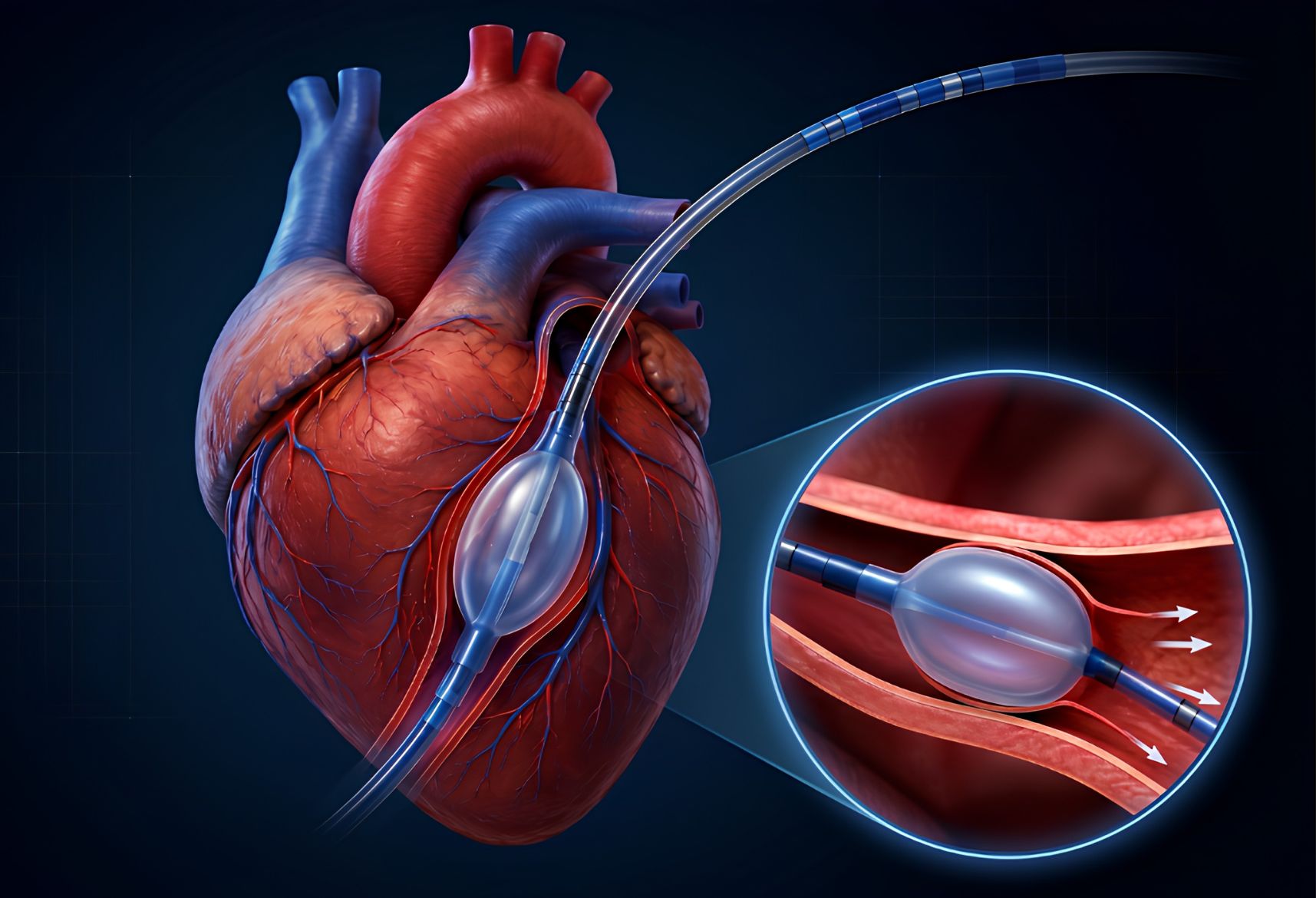
Surgeons are sometimes required to stop a patient’s heart during open heart surgery in order to carry out repairs to the heart. During this time, the heart must be protected. This is accomplished using a cardioplegia solution. This solution stops the heart temporarily and prevents damage to the heart muscle. Cardioplegia catheters are the special tubes used to deliver this solution. A balloon placed at the end of the tube is a critical component of the catheter.
The small size of the catheter balloon does not limit the balloon’s capability to play a significant role during heart surgery.
The balloon does much more than act as a stopper. It is critical to the proper and efficient delivery of the cardioplegia solution to the needed parts of the heart.
Two Methods of Delivering the Cardioplegia Solution
Antegrade Cardioplegia
In the antegrade method, solution delivery is along the normal path of blood flow, beginning with the aorta. The delivery path follows the coronary arteries and ends at the heart muscle.
This method is adequate for the majority of standard heart surgeries.
Retrograde Cardioplegia
Antegrade delivery of the cardioplegia solution is not effective in all patients, particularly those whose coronary arteries are obstructed.
The retrograde method is used in this instance. The solution is introduced via the coronary sinus, a large vein on the posterior aspect of the heart. The solution then travels the reverse path through the heart’s venous system in order to reach the heart muscle.
This technique involves placing a catheter in the coronary sinus and inflating a balloon to form a seal. In these instances, the function of the balloon is critical.
Some information about the coronary sinus:
- The coronary sinus is the main vessel collecting blood from the heart muscle and contains about 60% to 70% of the total venous blood of the heart.
- Appendix sizing varies causing design difficulties.
- There are portions of the right ventricle that are not drained by the coronary sinus. Therefore, retrograde cardioplegia alone is insufficient to provide complete protection to the right side of the heart.
Description of the function of the balloon
In essence, the function of the balloon is to obstruct the coronary sinus for a limited time.
In the absence of the balloon:
- The cardioplegia solution would escape into the right atrium instead of going into the heart muscle.
- Pressure would not be sufficient.
- The heart muscle would be unprotected.
A balloon in an inflated state will oppose the walls of the coronary sinus. Sufficient pressure is then achieved to allow the cardioplegia solution to diffuse into the heart muscle.
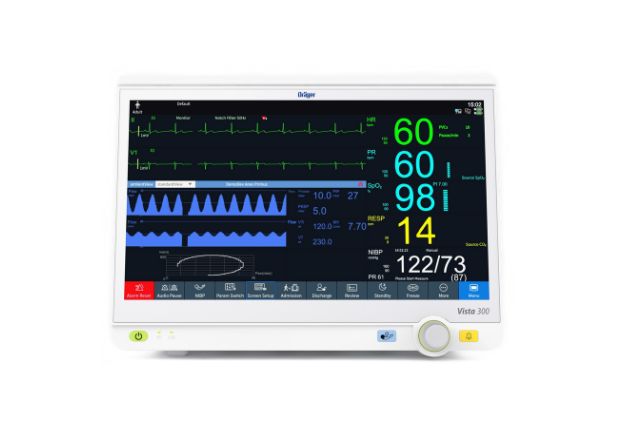
Modern systems include pressure monitoring to ensure the balloon is properly positioned and not overinflated.
Coronary sinus pressure is maintained between 20 and 50 mmHg, as higher pressures pose a risk of a serious complication, a coronary sinus rupture.
The balloon design and the quality of the material help reduce this risk.
Silicone Balloons
Since flexibility and biocompatibility are considered for materials that are used in the cardiovascular system, silicone suits these specifications. Because silicone is soft and compliant, silicone balloons gently expand to the shape of the coronary sinus.
Polyurethane
The newer devices are using more polyurethane because of its:
- Latex-Free
- Strong and Flexible
- More Safe for Patients with Latex Allergy
- Tailored for Modern Manufacturing
What is Compliant Ballooning?
In comparison with the rigid and forceful angioplasty balloons, the cardioplegia balloons are compliant and expand gently to avoid damage to the tissue.
- Ballooning Design Compliances
- Ribbed Ballooning Surface
Balloons with small ribs on surface help:
- Stop unnecessary movement of the catheter in surgery
- Increase the grip of the balloon in the coronary sinus
- Lower the chances of the balloon dislodging
The ribs are positioned in a way to avoid injuring the tissue.
Self-Inflating Balloons
More advanced catheters are designed in a way that the balloon is inflated automatically using the cardioplegia solution, simplifying the process and eliminating the requirement for separate inflation systems.
Pressure Monitoring Tubes
The more modern catheters have the special pressure sensing tubes that:
- Inflate the balloon to a specified amount of pressure
- Indicate the balloon is in the wrong position
- Help avoid the balloon from being over inflated
These tubes provide a higher level of safety for the patient.
Existing Problems
Right Ventricular Protection
Retrograde cardioplegia is still not a complete protection of the right ventricle because of the veins that bypass the coronary sinus.
Because of that, the surgeons sometimes use a combination of both antegrade and retrograde delivery.
The Movement of Cathters
A catheter is placed in the heart. During surgical procedures the heart is moved, which can cause the catheter to shift.
If the catheter shifts:
- There may be a sudden drop in pressure
- The catheter may be expelled
- It may cause injury if the catheter moves even deeper
To prevent these issues, pressure is monitored continuously.
Different Overall Anatomy of the Patient
The patient’s anatomy can cause issues with varying sizes of body cavities. The coronary sinus is a good example of this.
- A balloon that is too small may not press against the walls of the coronary sinus.
- A balloon that is too large may rupture the coronary sinus.
- To prevent this, different sizes of balloon catheters are available.
Rupture of the Coronary Sinus
This is a very serious complication of all the previously mentioned concerns.
This can happen if:
- Pressure is too high in the system
- The balloon is overly inflated , or
- The catheter is placed too deeply
This is a significant complication that requires a lot of attention.
Minimally Invasive Cardiac Surgery
New, state-of-the-art techniques have allowed surgeons to perform heart surgeries with smaller incisions.
However, smaller incisions make it more difficult for a surgeon to visualize and manually guide the catheter.
The catheter may be inserted through other veins such as:
- The right internal jugular
- The femoral vein
To assist in the placement of the catheter, surgeons may use, echocardiography and fluoroscopy.
In surgeries using this type of technique the balloon catheter is the centerpiece because:
- It has to travel a longer path and still presses against the sinus walls without visual confirmation
- It has to remain stable throughout the procedure.
Retrograde cardioplegia on its own is successful in approximately 74% of these procedures, while the remainder may require some form of Antegrade delivery.
What Hospitals Should Evaluate When Purchasing These Devices
Hospitals need to analyze various aspects of balloon design when considering purchasing cardioplegia catheter systems.
Helpful questions may include:
- What is the balloon material?
- Is the balloon material latex-free?
- What is the balloon’s pressure limit?
- How flexible and compliant is the design?
- Is there an anti-migration feature?
- What is the reliability of the embedded pressure monitor?
- Is this design compatible with minimally invasive surgery?
Each of these can impact safety and performance.
Potential Advancements
Research is being done to create advanced balloon technologies that include:
- Improved visibility to ultrasound
- Advanced pressure monitoring systems
- Adaptive materials that respond to pressure
Balloon technologies are a critical focus for cardiac surgery and continue to be an important area for advancement, even with slow progress.
Concluding Remarks
The most important medical devices are not always the largest and most complex.
During heart surgery, the self-inflating balloon design of the catheter that is placed in the coronary sinus is a critical device that can make the difference between the success and failure of heart protection while minimizing complications.
The balloon design in the catheter and the features that assist the function of the device are extremely important for the device to be able to:
- Control pressure
- Administer cardioplegia
- Protect the cardiac muscle during the surgical procedure
Because of this, much more time and thought should be placed on the design of a balloon catheter system.
Author: Divya Joshi
Executive Domestic Marketing