



The human heart beats about 100,000 times a day, day after day, without us having to think about it. In its natural state, it follows a steady rhythm: lub, dub, lub, dub. This is sinus rhythm, the heart’s normal rhythm, guided by a regular pattern of electrical signals.
But what happens when this electrical rhythm goes off track? The heartbeat can become too fast, too slow or irregular – a condition broadly known as an arrhythmia. Simply put, it is a disturbance in the heart’s normal rhythm that occurs when its electrical signals do not follow their usual pattern. There are many types of arrhythmias. One of the most common is atrial fibrillation (AF), in which the heart’s upper chambers, or atria, beat irregularly and chaotically instead of contracting in a coordinated manner.
The underlying mechanisms of arrhythmias can vary. Electrical signals may be generated at an abnormal rate, delayed or blocked, or travel through the heart along an abnormal pathway. In other instances, an electrical impulse may circulate repeatedly through heart tissue, or cells outside the normal pacemaking system may begin generating electrical impulses on their own.
One way of treating certain abnormal heart rhythms is to identify the area of heart tissue responsible for the abnormal electrical signals and precisely destroy or isolate it. This process is known as ablation, a minimally invasive procedure.
Traditionally, ablation has been performed using thermal energy – either heat generated by radiofrequency energy or extreme cold, to destroy the small areas of heart tissue responsible for abnormal electrical signals. The resulting scar tissue blocks or interrupts these signals.
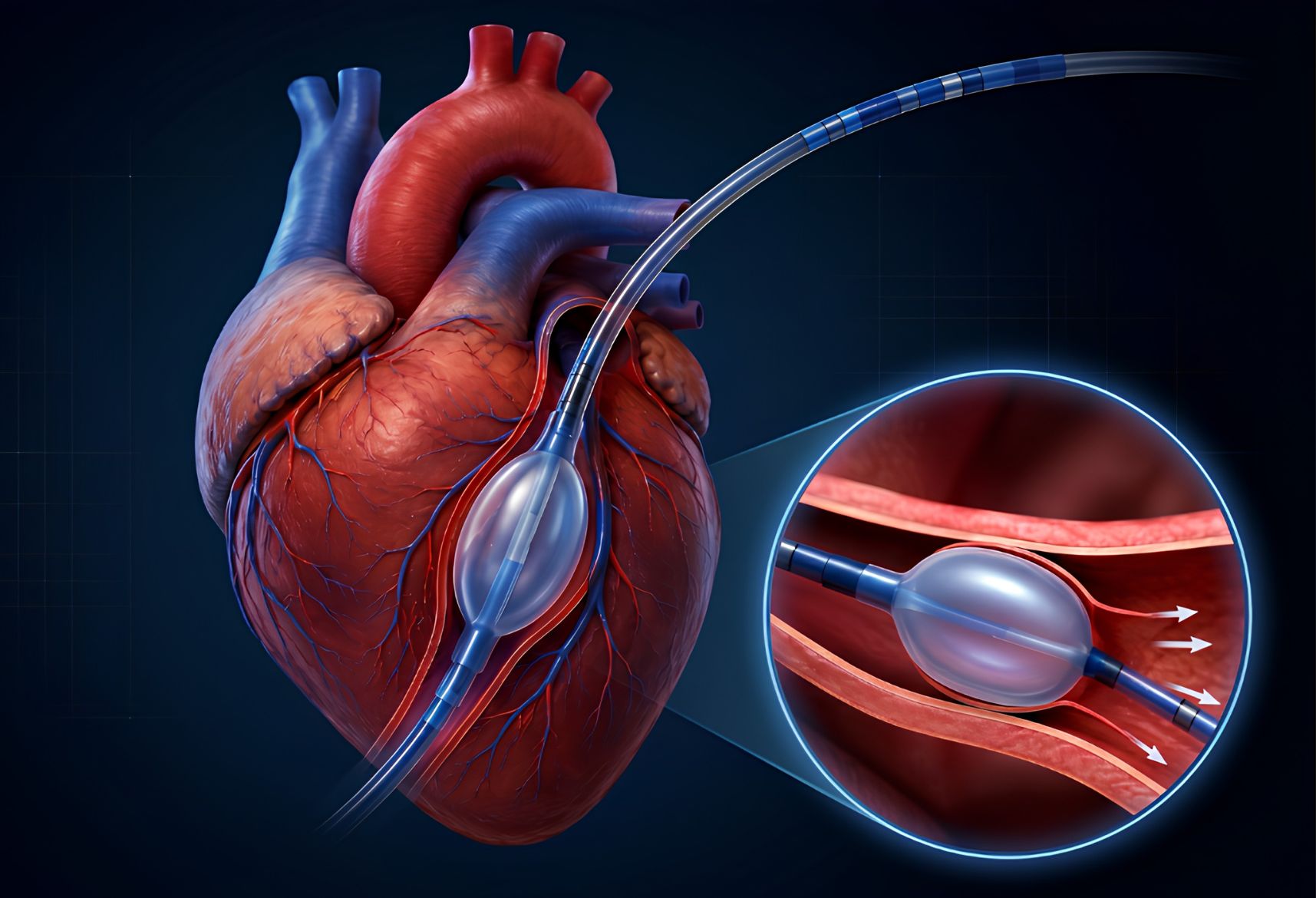
However, a newer approach, known as Pulsed Field Ablation (PFA), uses an electrical field instead of heat or extreme cold. It delivers short, high-energy electrical pulses through a catheter placed in the heart. These pulses create tiny pores in the membranes of targeted heart cells, a
process known as electroporation. When the electrical pulses are delivered at the required intensity, this damage becomes irreversible, causing the targeted cells to lose their normal function and creating an electrical barrier that prevents abnormal signals from travelling through the treated area.
PFA is considered an important advancement in the treatment of atrial fibrillation, particularly because it can treat the heart tissue with less reliance on thermal energy. Its tissue-selective mechanism may reduce unintended injury to certain nearby structures, such as the oesophagus and phrenic nerve, which are recognised concerns with thermal ablation. However, PFA’s safety profile can vary between different technologies and procedures.
PFA is particularly useful in treating AF because of the role played by the pulmonary veins. These veins carry oxygen-rich blood from the lungs to the heart’s left atrium. The tissue around the openings of the pulmonary veins can generate abnormal electrical impulses, which are a common trigger for AF. These impulses can travel into the left atrium and initiate the chaotic electrical activity characteristic of atrial fibrillation.
This is why pulmonary vein isolation is a key goal of AF ablation. During the PFA procedure, the doctor creates an electrical barrier around the pulmonary veins, preventing abnormal impulses from entering the left atrium and triggering AF. Importantly, the veins are not physically blocked and continue to carry blood normally; it is their electrical connection with the atrium that is interrupted. PFA can achieve this isolation using electrical pulses rather than heat or freezing. Studies and real-world registries have reported very high acute pulmonary-vein isolation rates with PFA.
The technology has seen rapid adoption internationally, although long-term clinical evidence is still developing. In India, PFA is at an early stage of adoption, with commercial systems introduced in 2026 and centres beginning to establish dedicated programmes.
For patients, however, the most important point is that PFA is not automatically suitable for everyone with an arrhythmia.
Whether it is appropriate depends on the type of arrhythmia or AF, symptoms, previous treatment, the structure and function of the heart, other medical conditions and the individual’s overall clinical profile. A patient’s electrophysiologist can determine whether ablation is appropriate and which technology is best suited to the particular situation.
Ultimately, the goal of any ablation is not simply to introduce a newer technology, but to restore a more
stable heart rhythm while treating the abnormal electrical pathway as precisely and safely as possible. PFA represents a significant evolution in how this can be achieved, particularly in atrial fibrillation, where isolating the pulmonary veins is central to treatment.
Attributed to Dr. Deep Chandh Raja. S, Senior Consultant & Clinical Lead – Cardiac Electrophysiology, Kauvery Hospital, Alwarpet, Chennai