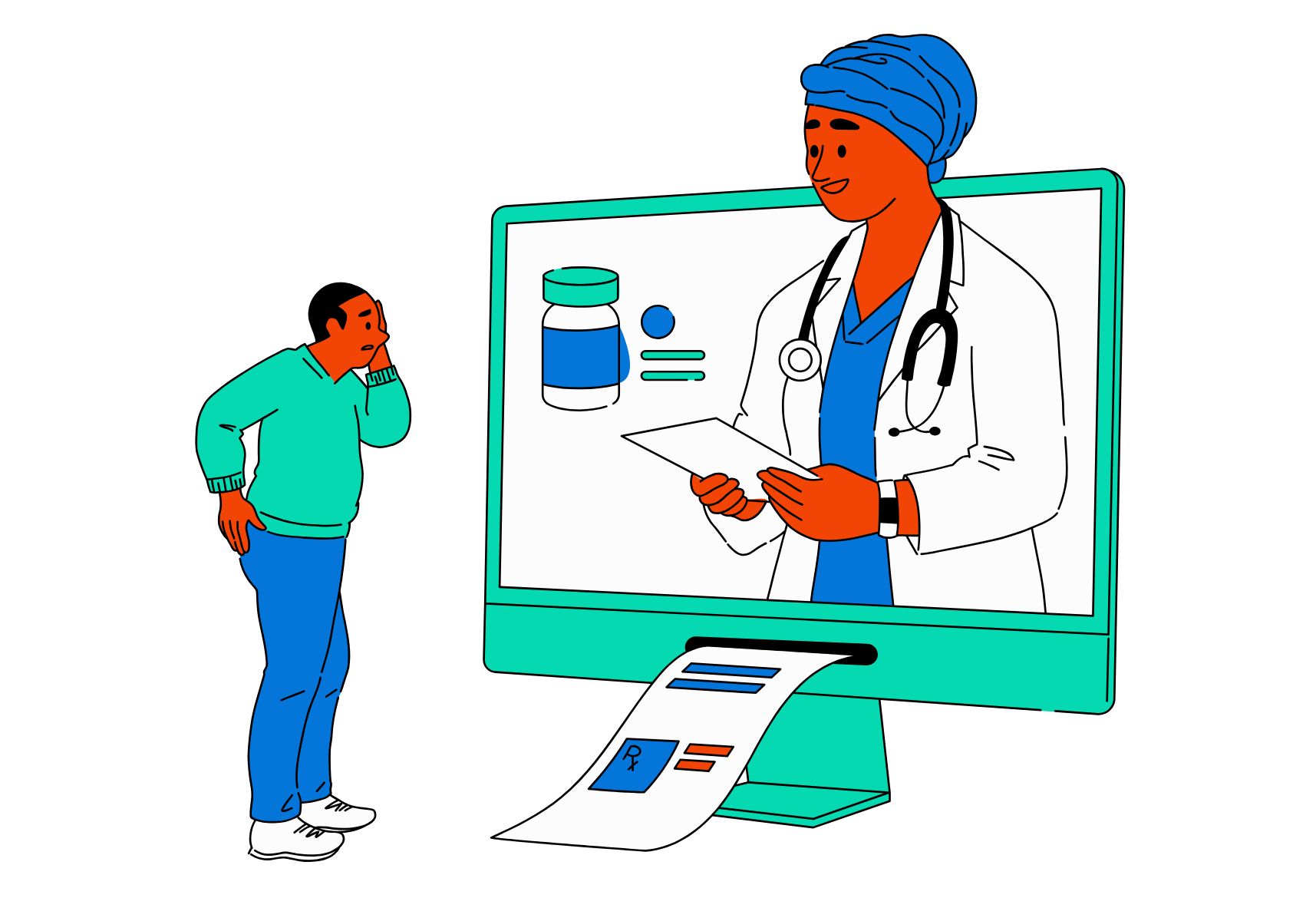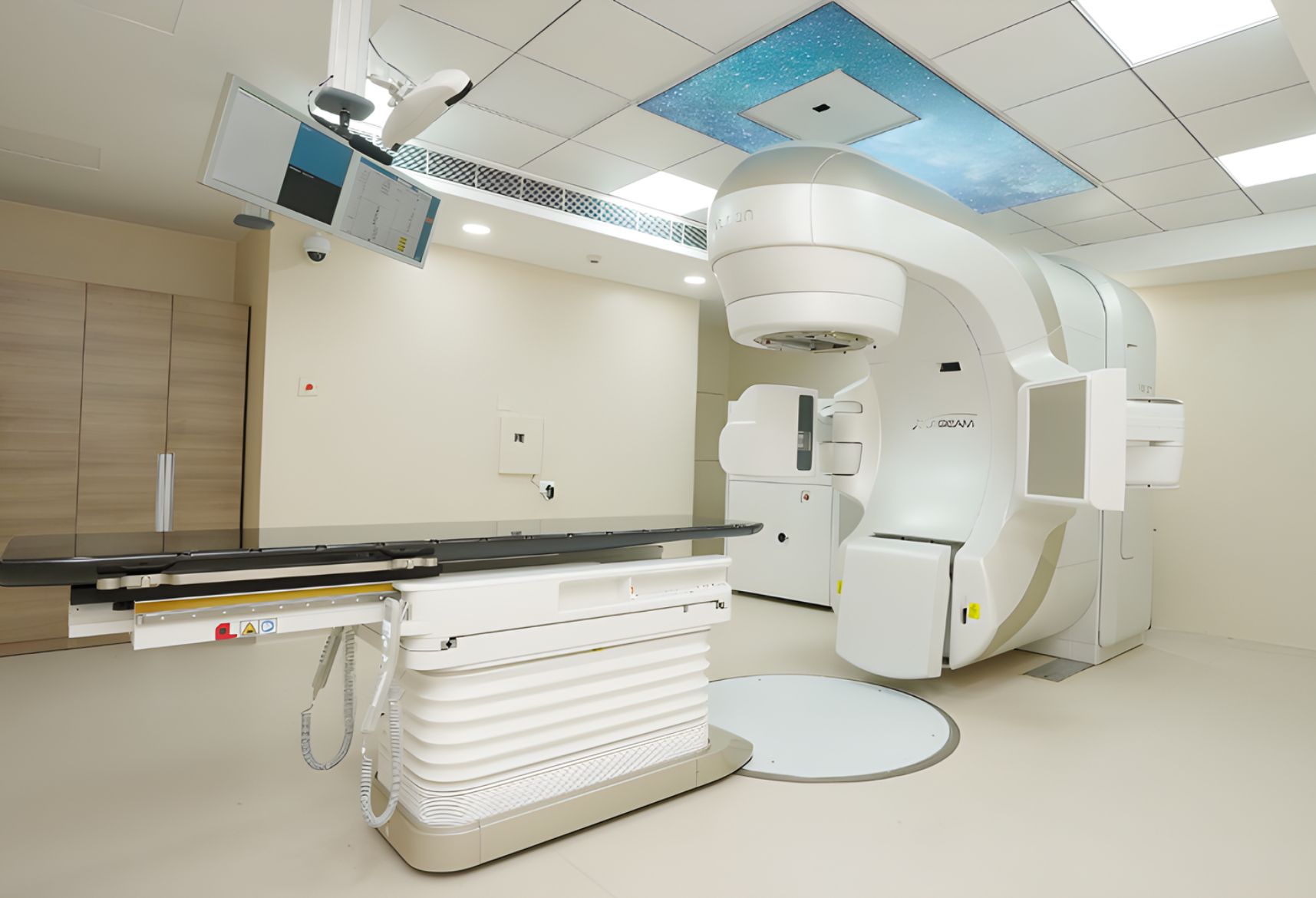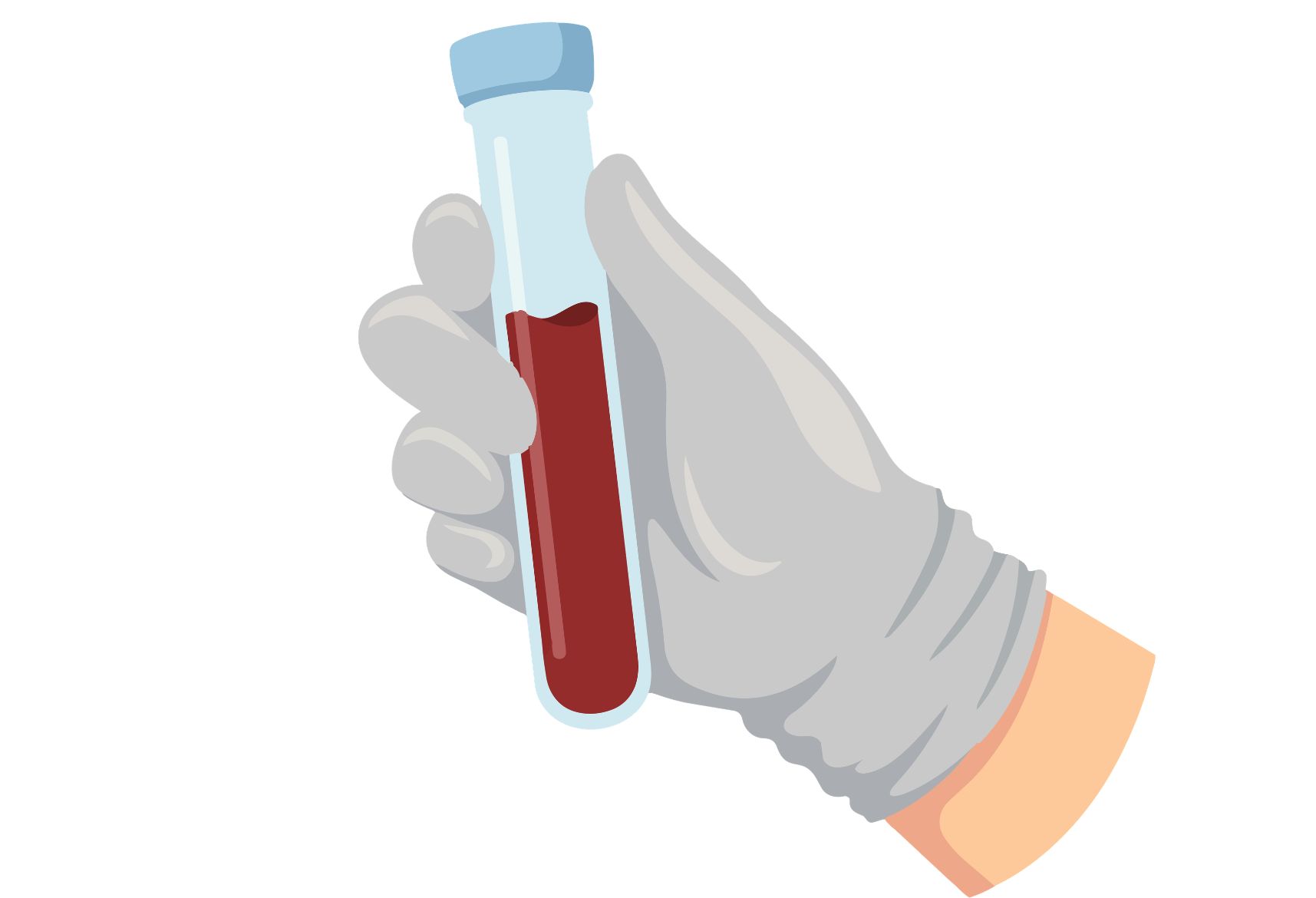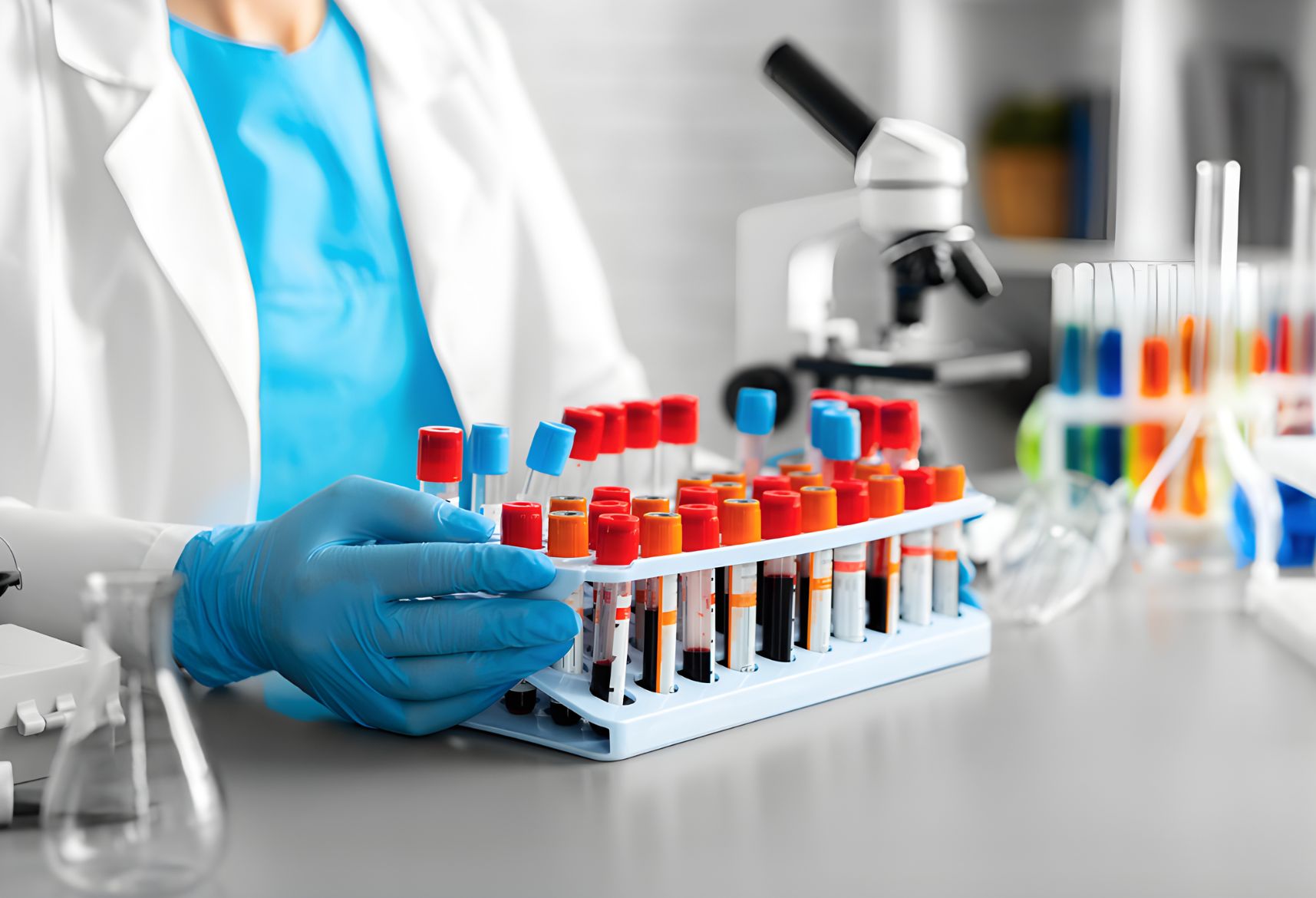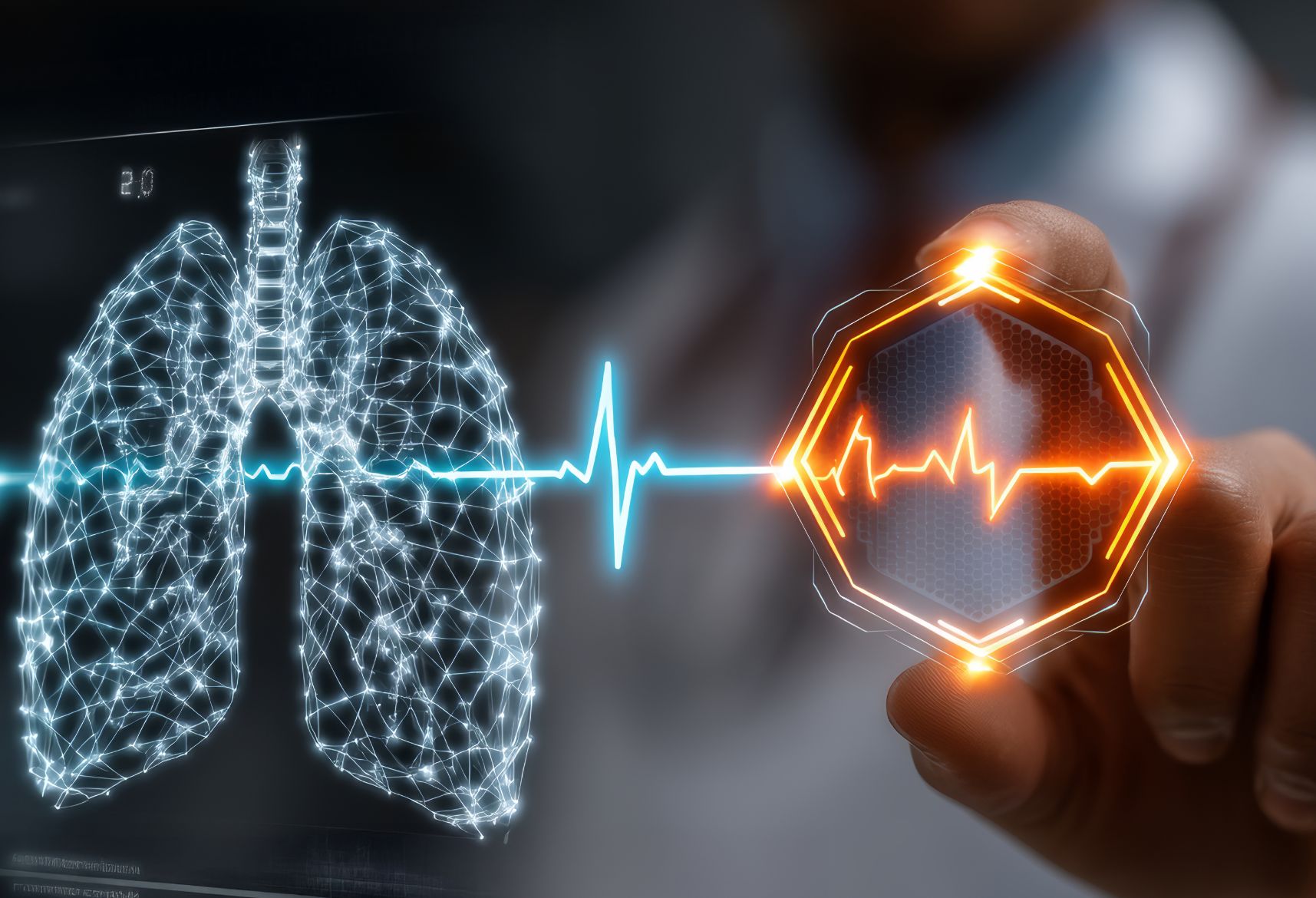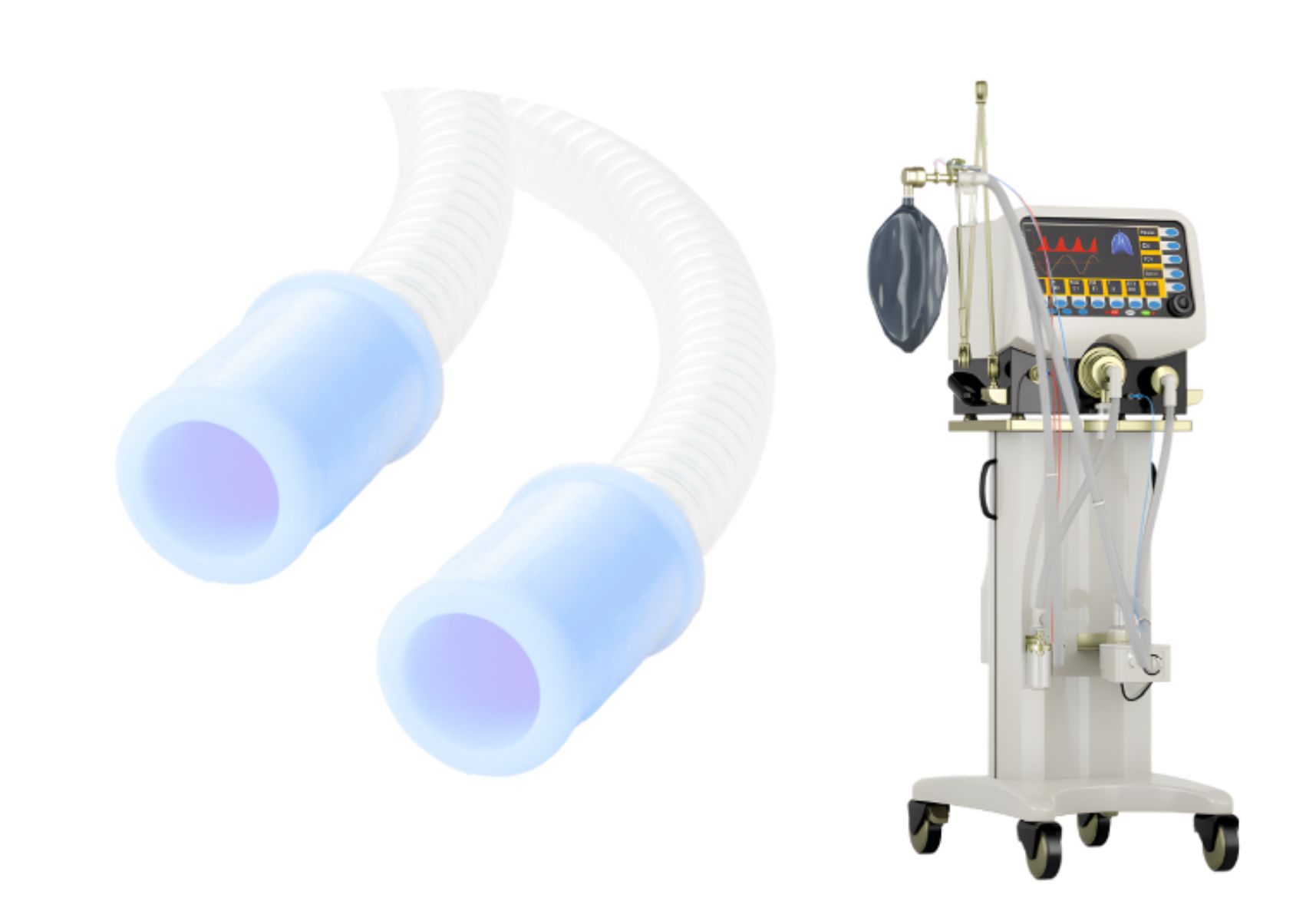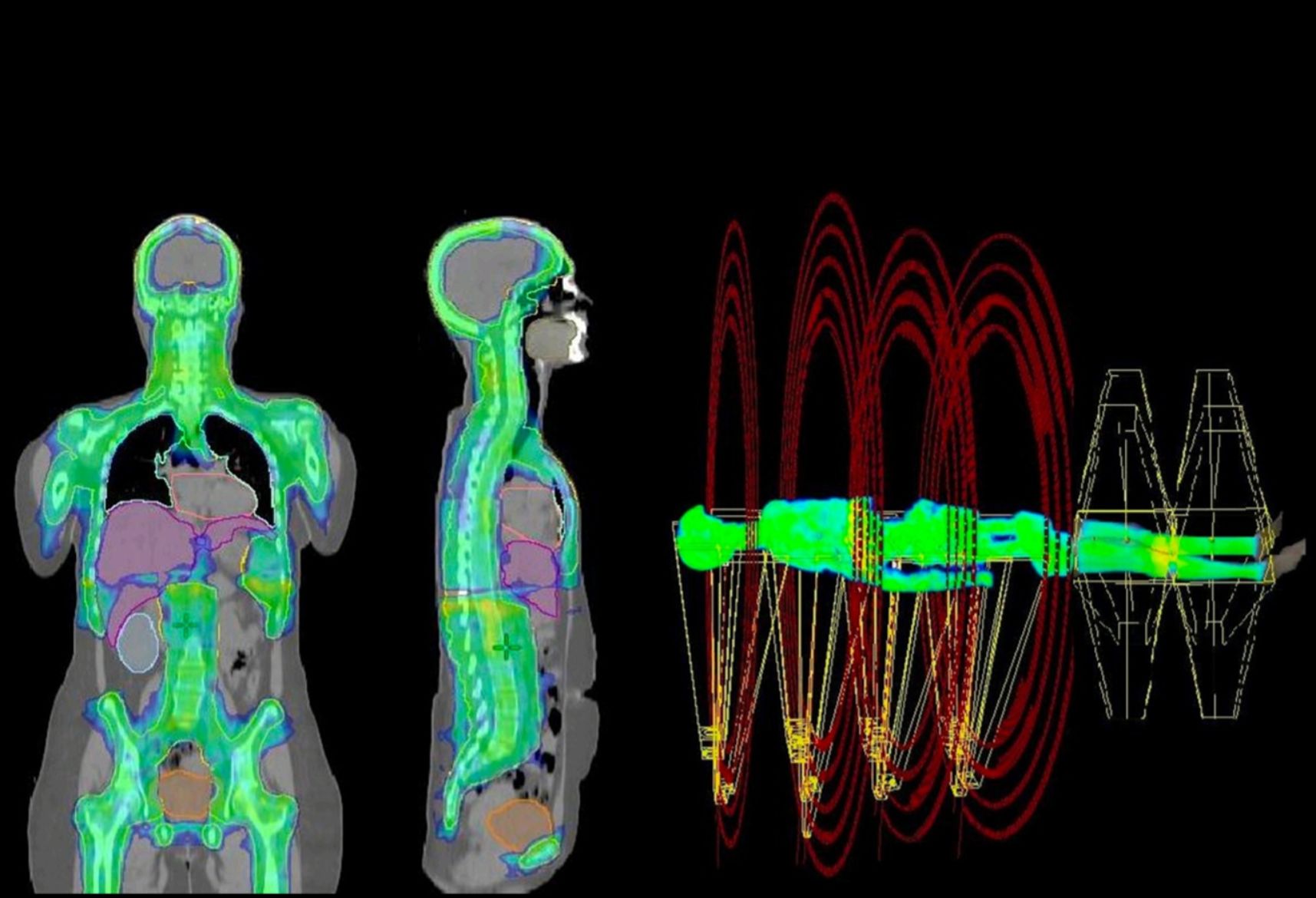



Diagnostics has always been fundamental to modern healthcare. From routine blood tests and microbiological cultures to molecular assays and imaging, diagnostic technologies provide the evidence clinicians need to detect disease, assess risk, select treatments, and monitor patient outcomes.
The Diagnostic Revolution Is Moving From Detection to Intelligent Decision-Making
But healthcare is entering a new diagnostic era.
The growing burden of infectious diseases, cancer, antimicrobial resistance, chronic conditions, and emerging health threats is creating demand for faster, more sensitive, more specific, and more accessible diagnostic technologies.
At the same time, advances in molecular biology, artificial intelligence, microfluidics, biosensors, automation, genomics, and digital health are fundamentally changing how diagnostic testing is performed.
The traditional diagnostic model often follows a relatively simple pathway:
Sample → Laboratory → Test → Result → Clinical Decision
The emerging model is far more connected:
Sample → Rapid Detection → Digital Analysis → Intelligent Interpretation → Personalized Decision
This transformation is taking diagnostics beyond conventional testing and toward a future in which disease can be identified earlier, results can be generated closer to the patient, and complex datasets can be converted into actionable clinical insight.
Why Diagnostics Is Changing
Healthcare systems are under increasing pressure to deliver more accurate results in less time.
A diagnostic test may need to answer several questions simultaneously:
- Is the disease present?
- What is causing it?
- How severe is it?
- Which treatment is most appropriate?
- Is the patient responding to therapy?
- Is the disease likely to progress?
- Can complications be detected earlier?
Traditional diagnostic approaches may not always provide all these answers quickly enough.
For example, conventional microbiological culture can require significant time before an organism is identified and characterized. Similarly, traditional pathology workflows can involve multiple manual steps between specimen collection and diagnosis.
Next-generation technologies are addressing these limitations by making diagnostic workflows faster, more automated, more sensitive, and increasingly data-driven.
Molecular Diagnostics: Detecting Disease at the Genetic Level
Molecular diagnostics has become one of the most important pillars of modern detection.
Instead of relying solely on visible characteristics or biochemical behavior, molecular tests can detect specific nucleic acid sequences associated with pathogens, genetic conditions, or disease-related changes.
Technologies including PCR, real-time PCR, digital PCR, isothermal amplification, next-generation sequencing, and CRISPR-based detection are expanding the capabilities of molecular testing.
These technologies can support applications ranging from infectious disease diagnosis to oncology, genetic testing, reproductive health, and personalized medicine.
Digital PCR: Measuring With Greater Precision
Digital PCR partitions a sample into many individual reactions, allowing target molecules to be quantified with high sensitivity.This can be particularly valuable when the target is present at very low concentrations.
Potential applications include:
- Rare mutation detection
- Liquid biopsy
- Viral load measurement
- Gene therapy monitoring
- Copy-number analysis
- Environmental and research applications
The ability to detect subtle molecular changes is opening new opportunities for earlier and more precise diagnosis.
CRISPR-Based Diagnostics: From Gene Editing to Detection
CRISPR technology is best known for its role in gene editing, but its molecular recognition capabilities are also attracting significant interest in diagnostics.
CRISPR-associated systems can be engineered to recognize specific genetic sequences and generate detectable signals. This creates possibilities for highly specific molecular detection in applications such as infectious disease testing and genetic analysis.
The broader significance of CRISPR diagnostics lies in its potential combination of specificity, rapid testing, and simplified workflows. As the technology matures, it could contribute to diagnostic platforms designed for decentralized and near-patient testing.
Point-of-Care Testing: Bringing the Laboratory Closer to the Patient
One of the most important changes in diagnostics is the shift from centralized testing toward point-of-care (POC) and near-patient testing. Traditional laboratory testing often involves transporting specimens to centralized facilities, processing them, and returning results to healthcare professionals. Point-of-care technologies shorten this pathway.
Modern POC platforms can perform diagnostic testing in:
- Hospitals
- Emergency departments
- Clinics
- Pharmacies
- Community healthcare settings
- Remote locations
- Resource-limited environments
The key advantage is not simply convenience.
Faster results can enable faster decisions.
This can be particularly valuable when immediate treatment decisions are required.
Lab-on-a-Chip: Miniaturizing the Diagnostic Laboratory
Microfluidics is helping transform conventional laboratory workflows into compact platforms.
A lab-on-a-chip system can integrate multiple laboratory functions onto a small device, including:
- Sample preparation
- Fluid handling
- Reagent mixing
- Amplification
- Detection
- Data analysis
This miniaturization can reduce sample and reagent requirements while potentially shortening testing time.
Microfluidic technologies are particularly attractive for decentralized diagnostics because they can combine multiple laboratory functions within a portable platform.
The laboratory is therefore becoming not only smarter—but smaller.
Biosensors:Continuous and Real-Time Detection
Biosensors combine biological recognition elements with physical or chemical detection systems.
They can be designed to detect molecules such as:
- Proteins
- Nucleic acids
- Hormones
- Metabolites
- Pathogens
- Biomarkers
The development of increasingly sensitive biosensors is creating opportunities for rapid and potentially continuous monitoring. Wearable and minimally invasive sensor technologies are particularly promising for chronic disease management, where continuous information may be more valuable than occasional measurements.
This represents a shift from periodic testing to continuous health monitoring.
Artificial Intelligence: Transforming Diagnostic Interpretation
Perhaps the most visible transformation in modern diagnostics is the growing role of artificial intelligence.
Diagnostic systems can generate enormous quantities of information. AI can help process and interpret this information at a speed that would be difficult to achieve manually.
Applications include:
AI in Medical Imaging
Machine learning models can analyze radiological images and identify patterns associated with conditions such as tumors, pulmonary abnormalities, fractures, and vascular disease.
AI in Digital Pathology
AI-powered image analysis can assist pathologists in identifying cellular and tissue features, quantifying biomarkers, and prioritizing cases for review.
AI in Laboratory Diagnostics
Machine learning can support anomaly detection, result interpretation, quality control, and laboratory workflow optimization.
AI in Genomics
AI can help analyze complex genomic datasets and identify potentially significant variants.
The most valuable role of AI is not necessarily replacing diagnostic professionals.
Instead, it can serve as an intelligent decision-support layer, helping clinicians and laboratory professionals manage complex information more efficiently.
Digital Pathology: Turning Slides Into Data
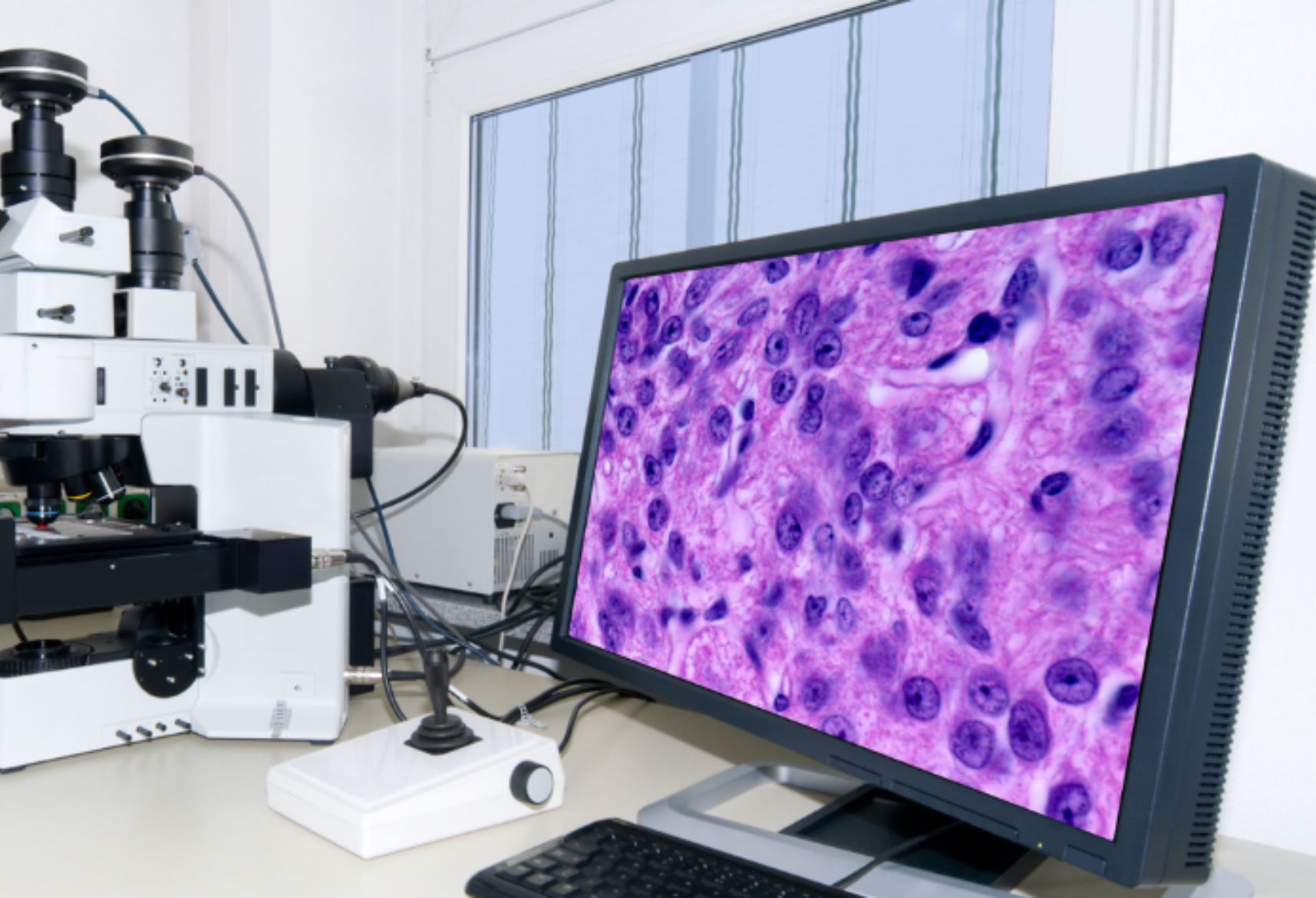
Pathology has traditionally depended heavily on physical glass slides and visual examination under microscopes. Digital pathology is changing this model.
High-resolution scanners can convert tissue slides into digital images that can be stored, shared, analyzed, and integrated into digital workflows.
This creates opportunities for:
- Remote consultation
- AI-assisted image analysis
- Quantitative pathology
- Digital archiving
- Collaborative diagnosis
- Automated image classification
The transition from glass slides to digital images also creates an important opportunity: pathology data can now become computationally accessible.
Algorithms can analyze features that may be difficult to quantify consistently through manual examination alone.
Liquid Biopsy: Finding Disease Through Blood
One of the most exciting areas of diagnostic innovation is liquid biopsy.
Instead of obtaining tissue through an invasive procedure, liquid biopsy approaches seek disease-associated biomarkers in biological fluids, particularly blood.
These may include:
- Circulating tumor DNA
- Circulating tumor cells
- Cell-free DNA
- Extracellular vesicles
- Protein biomarkers
In oncology, liquid biopsy is being investigated for applications including early detection, treatment selection, molecular profiling, and monitoring treatment response.
The long-term vision is powerful:
Detect biological changes before disease becomes clinically obvious.
Next-Generation Sequencing: Reading More of the Biological Story
Next-generation sequencing (NGS) has transformed the ability to analyze genetic information. Rather than examining one or a few genetic targets, NGS can analyze large numbers of sequences simultaneously.
This capability has applications across:
- Oncology
- Rare disease diagnosis
- Infectious disease surveillance
- Pharmacogenomics
- Reproductive health
- Research
- Precision medicine
Sequencing technologies are also becoming increasingly rapid and accessible.
The emergence of portable and rapid sequencing platforms could further expand genomic diagnostics beyond specialized laboratories.
Multiplex Diagnostics: One Sample, Multiple Answers
Modern healthcare increasingly requires comprehensive information from limited patient samples.
Multiplex diagnostic technologies address this challenge by allowing multiple targets to be analyzed simultaneously.
A single assay may potentially detect multiple pathogens, biomarkers, mutations, or disease-associated signals.
This can be particularly useful when symptoms overlap between different diseases.
Instead of asking:
“Which single pathogen is responsible?”
a multiplex test can investigate multiple possibilities simultaneously.
This approach can shorten diagnostic workflows and provide clinicians with a more complete picture.
Infectious Disease Diagnostics: Speed Matters
Few areas demonstrate the value of rapid diagnostics more clearly than infectious diseases.
The ability to quickly identify a pathogen can influence treatment selection, infection-control decisions, and patient outcomes.
Next-generation technologies are supporting:
- Rapid molecular detection
- Multiplex pathogen panels
- Antimicrobial resistance detection
- Syndromic testing
- Sequencing-based surveillance
- Portable diagnostics
One particularly important area is antimicrobial resistance (AMR).
Rapid identification of resistant organisms or resistance-associated markers can help clinicians move toward more appropriate antimicrobial treatment rather than relying exclusively on empirical therapy.
Diagnostics therefore plays a critical role not only in identifying disease, but also in protecting the effectiveness of existing medicines.
Biomarker Discovery: Finding Earlier Signals of Disease
The future of diagnostics increasingly depends on biomarkers.
A biomarker may provide information about disease presence, progression, treatment response, or biological risk.
Advances in:
- Proteomics
- Metabolomics
- Genomics
- Transcriptomics
- Single-cell analysis
are expanding the number of biological signals that can be investigated.
When combined with AI and advanced analytics, these technologies can help researchers identify complex biomarker signatures that may support earlier or more precise detection.
Automation: Making Diagnostic Workflows More Reliable
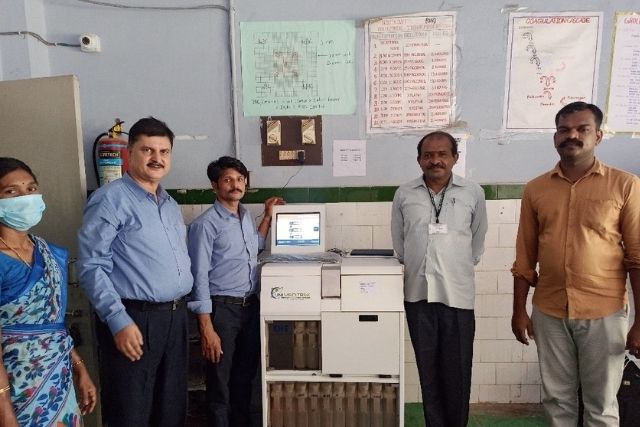
Automation is becoming increasingly important in modern diagnostic laboratories.
Automated systems can support:
- Sample accessioning
- Barcode tracking
- Sample preparation
- Liquid handling
- Testing
- Result verification
- Data management
- Report generation
Automation can reduce manual handling and improve workflow consistency.
It can also help laboratories manage increasing test volumes without proportionally increasing manual workload.
The future diagnostic laboratory will increasingly resemble a high-throughput, digitally connected production environment, while maintaining the scientific oversight required for reliable clinical results.
Smart Laboratories and Connected Diagnostics
The modern diagnostic laboratory is becoming increasingly connected.
Laboratory information systems, middleware, analyzers, automation platforms, electronic health records, and clinical decision-support systems can increasingly exchange information.
This creates a digital diagnostic ecosystem in which information can move from:
Patient → Sample → Analyzer → Laboratory Information System → Clinician → Patient Record
without unnecessary manual transcription.
Connected diagnostics can improve traceability, reduce errors, and accelerate communication.
However, interoperability remains essential.
A truly intelligent diagnostic ecosystem requires systems that can communicate using appropriate standards and securely exchange meaningful information.
Remote and Decentralized Diagnostics
The future of diagnostics will not necessarily depend entirely on centralized laboratories.
Portable instruments, microfluidics, biosensors, smartphone-enabled testing, and rapid molecular platforms are creating new possibilities for decentralized diagnosis.
This is especially important for:
- Rural healthcare
- Remote communities
- Emergency response
- Home-based testing
- Outbreak surveillance
- Resource-limited settings
Decentralized diagnostics can reduce the physical distance between testing and treatment decisions.
However, decentralization must be accompanied by strong quality systems, appropriate training, connectivity, and mechanisms for result interpretation.
Precision Diagnostics: Matching the Test to the Patient
Healthcare is increasingly moving toward personalized medicine.
Instead of applying the same diagnostic and therapeutic approach to every patient, precision medicine seeks to understand individual biological differences.
Advanced diagnostics can help characterize:
- Genetic variation
- Molecular disease profiles
- Biomarker expression
- Immune responses
- Treatment resistance
- Disease progression
This information can support more individualized decisions. In oncology, for example, molecular profiling can help identify alterations that may influence therapeutic strategies.
The diagnostic test is therefore becoming increasingly important not simply for identifying disease, but for helping determine which treatment may be most appropriate for a particular patient.
The Challenge of Data: More Information, Greater Responsibility
Advanced diagnostics generate enormous quantities of data. A genomic analysis, digital pathology scan, or high-dimensional biomarker assay can produce datasets far larger than conventional diagnostic tests.
This creates new requirements for:
- Data storage
- Data security
- Interoperability
- Quality control
- Data governance
- Privacy
- AI validation
- Cybersecurity
More data does not automatically mean better diagnostics. The true value comes from converting complex data into accurate, clinically meaningful, and actionable information. Accuracy, Validation and Trust Remain Essential. Innovation cannot come at the expense of reliability. Every diagnostic technology must ultimately answer one fundamental question:
Can healthcare professionals trust the result?
Next-generation diagnostics therefore require rigorous evaluation of:
- Analytical sensitivity
- Analytical specificity
- Precision
- Reproducibility
- Limit of detection
- Interference
- Clinical sensitivity
- Clinical specificity
- Robustness
- Quality control
For AI-based systems, additional considerations include model performance, bias, explainability, data quality, monitoring, and appropriate human oversight. The future of diagnostics will depend not only on technological innovation, but also on trust in that innovation.
What Will Diagnostics Look Like in 2030?
The diagnostic ecosystem of the next decade is likely to be more distributed, connected, automated, and intelligent.
A patient may provide a sample at a point-of-care location. A compact molecular platform could perform rapid testing. AI could analyze the results alongside clinical information. Relevant findings could be securely transferred to the healthcare provider. Additional laboratory testing could be triggered automatically when required. In the hospital laboratory, automated systems could process large numbers of samples while continuously monitoring workflow performance.
In pathology, digital slides could be analyzed collaboratively by specialists and AI-assisted systems. In research, genomic, proteomic, and clinical datasets could be integrated to identify new biomarkers and therapeutic opportunities. The diagnostic journey will increasingly
become continuous rather than episodic.
Building the Diagnostic Laboratory of the Future
Organizations planning to adopt next-generation diagnostic technologies should focus on more than purchasing new instruments.
Start With the Clinical Need
Identify where faster or more precise detection can create meaningful clinical value.
Build a Strong Digital Foundation
Ensure that diagnostic data can be securely captured, stored, integrated, and exchanged.
Automate Where It Matters
Prioritize repetitive, high-volume, and error-prone workflows.
Combine Technologies
The greatest value may come from integrating molecular diagnostics, imaging, AI, automation, and informatics rather than using them independently.
Invest in People
Laboratory professionals will increasingly require expertise spanning diagnostics, data science, automation, and digital technologies.
Maintain Trust
Validation, quality control, cybersecurity, privacy, and regulatory compliance must remain central to every digital transformation.
Conclusion: From Faster Testing to Earlier Insight
The next generation of diagnostics is not simply about producing results faster.
It is about producing better information at the right time and in the right place.
Molecular diagnostics can detect disease-associated signals at the genetic level. AI can help interpret complex datasets. Digital pathology can transform tissue images into analyzable data. Liquid biopsy can provide minimally invasive molecular insights.
Biosensors can enable continuous monitoring. Microfluidics can bring laboratory capabilities closer to patients. Automation can improve throughput and consistency.
Together, these technologies are redefining what diagnostic testing can achieve.
The future is moving from:
- Centralized → Decentralized
- Manual → Automated
- Single-parameter → Multiplex
- Reactive → Predictive
- Data generation → Intelligent interpretation
- Disease detection → Personalized decision-making
The diagnostic laboratory of tomorrow will be more than a place where samples are tested.
It will be an intelligent clinical information hub—connecting biology, technology, data, and healthcare decisions.
As diagnostic innovation continues to accelerate, the ultimate measure of progress will not simply be how quickly a test produces a result, but how effectively that result helps detect disease earlier, guide better decisions, and improve patient outcomes.