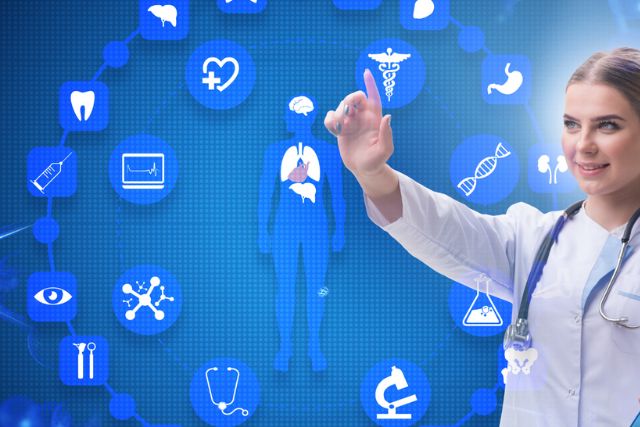



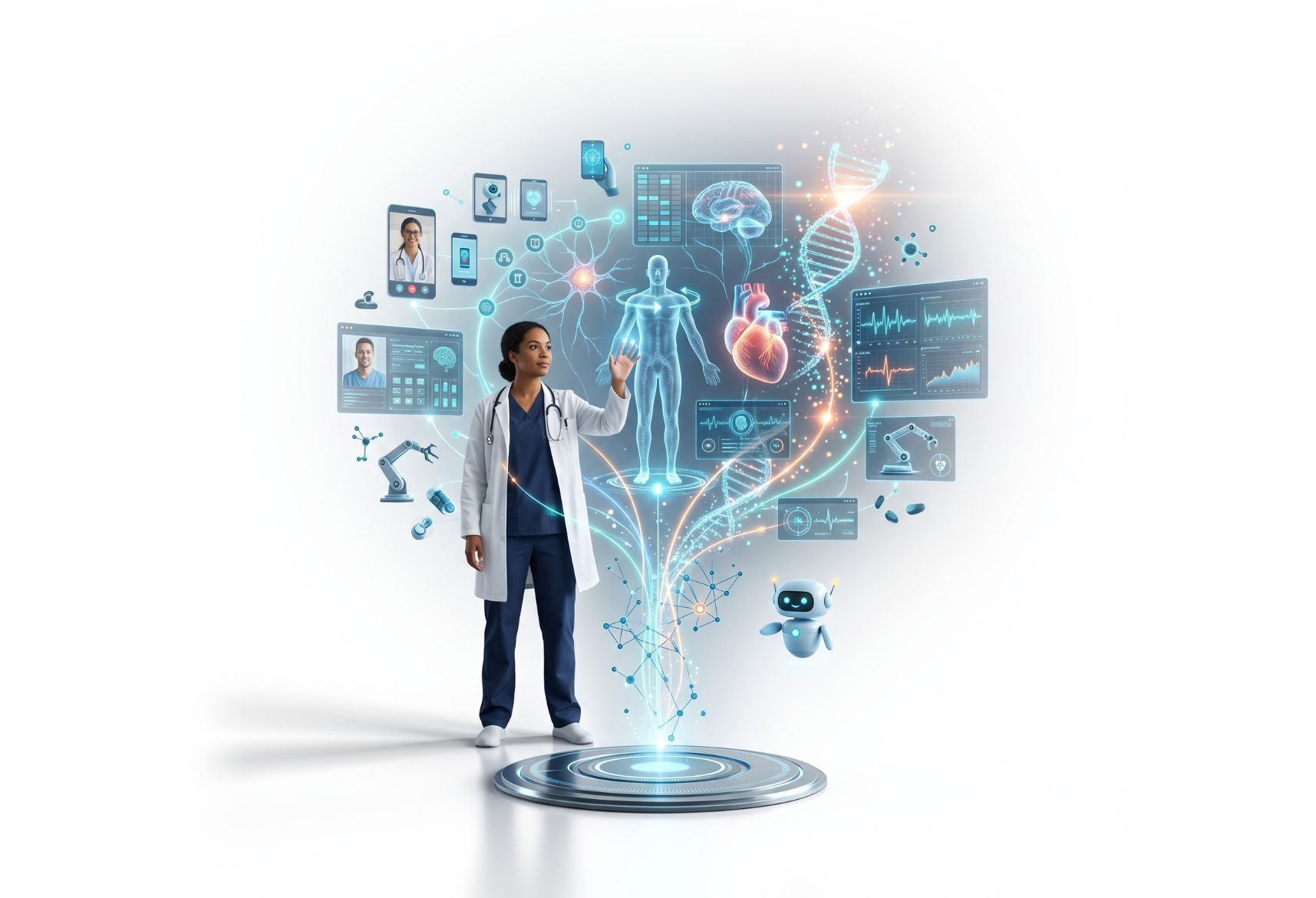
The interplay of medicine, technology, and science has changed the landscape of how we diagnose and treat disease. Innovations in medical technology touch upon many aspects of the healthcare continuum including the prevention, diagnosis, treatment, and monitoring of disease.
The integration of transformative technologies is focused on allowing the industry to ‘catch-up’ with increasing patient demand and expectations, while better responding to the needs of an aging and more chronic-disease focused patient population.
There is a transition away from reactive care to proactive, predictive, preventive, and personalized care.
The use of novel technologies is revolutionizing patient care
The digitization of clinical records is enabling more effective and timely information sharing among members of the healthcare team and across the care continuum.
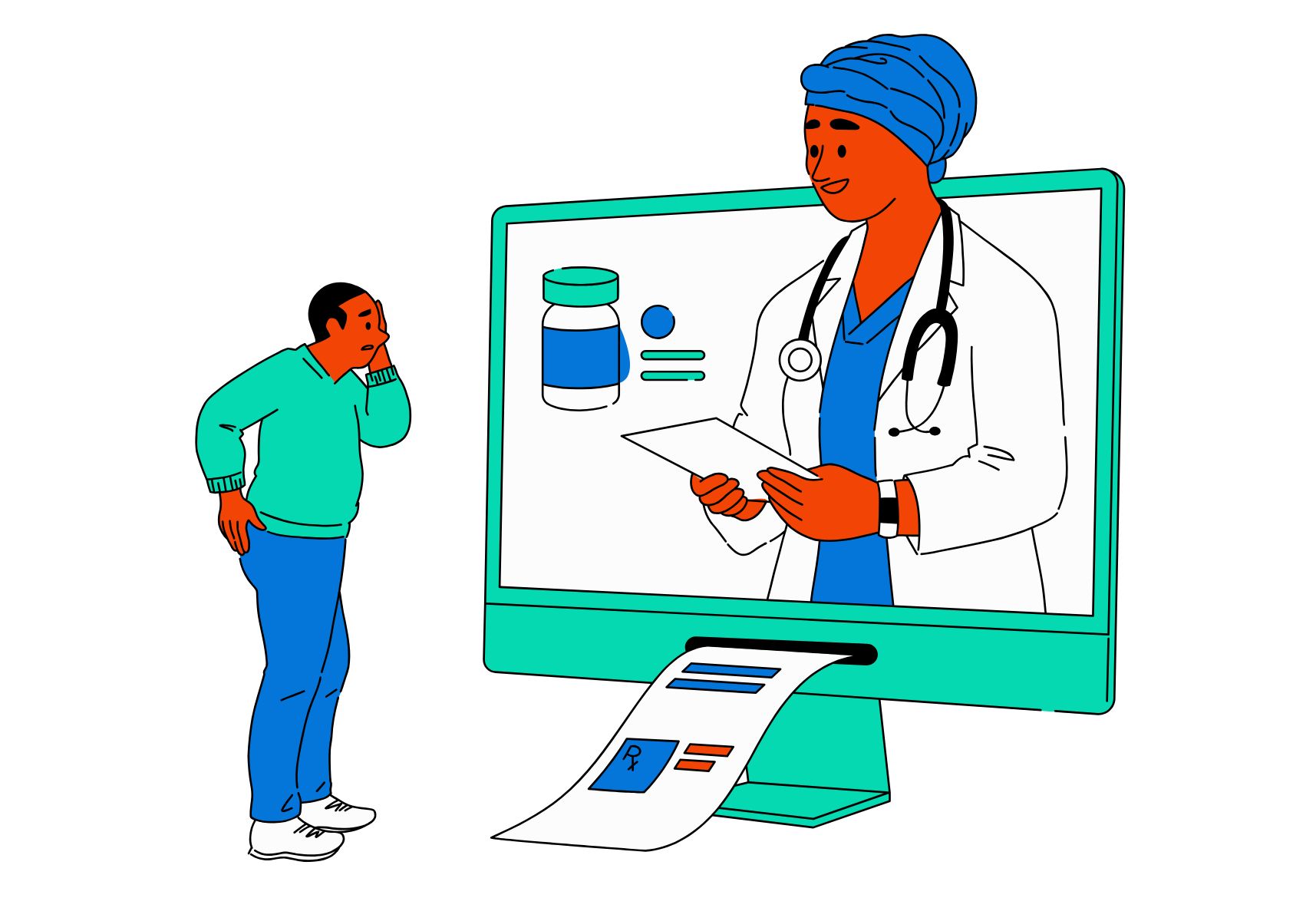
The same digitization is expanding the means by which healthcare services and interventions are delivered, from the traditional clinic and hospital based settings, to the community and patient home.
Meanwhile, in the medical field, the use of AI to analyze complex information and assist with risk identification is helping healthcare workers find better ways to manage their time and increase efficiency.
AI can be used to help increase the quality of service offered and the decisions made within the field.
The advancement of digital healthcare relies on a number of key factors beyond the realm of technology. Chief among these are the safety of personal data, the seamless connection of various systems, and universal access.
Technology should be used to enhance the relationship that healthcare workers have with their patients rather than replace the human element that is the most essential part of quality care.
Artificial Intelligence: A New Frontier in Medical Science
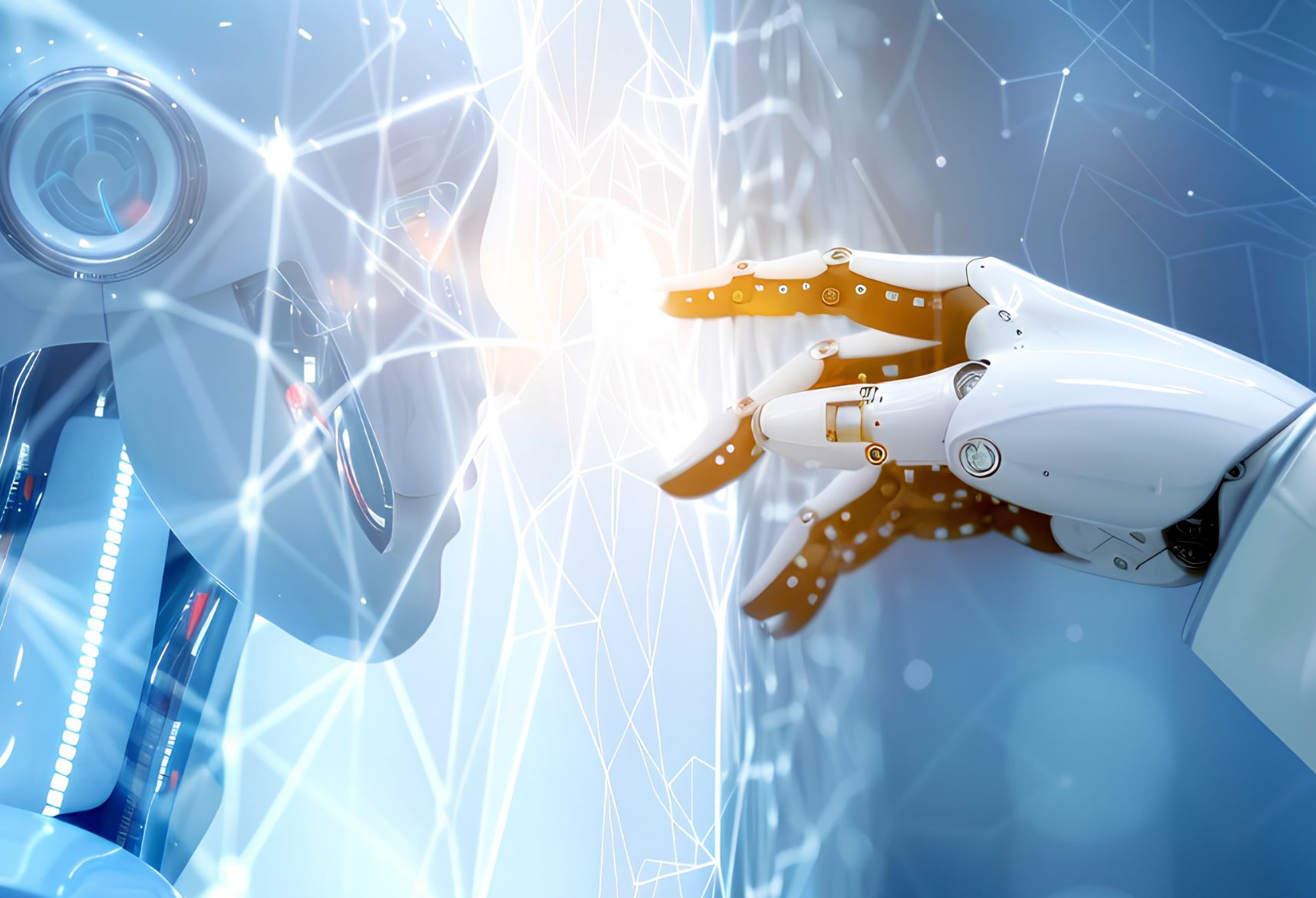
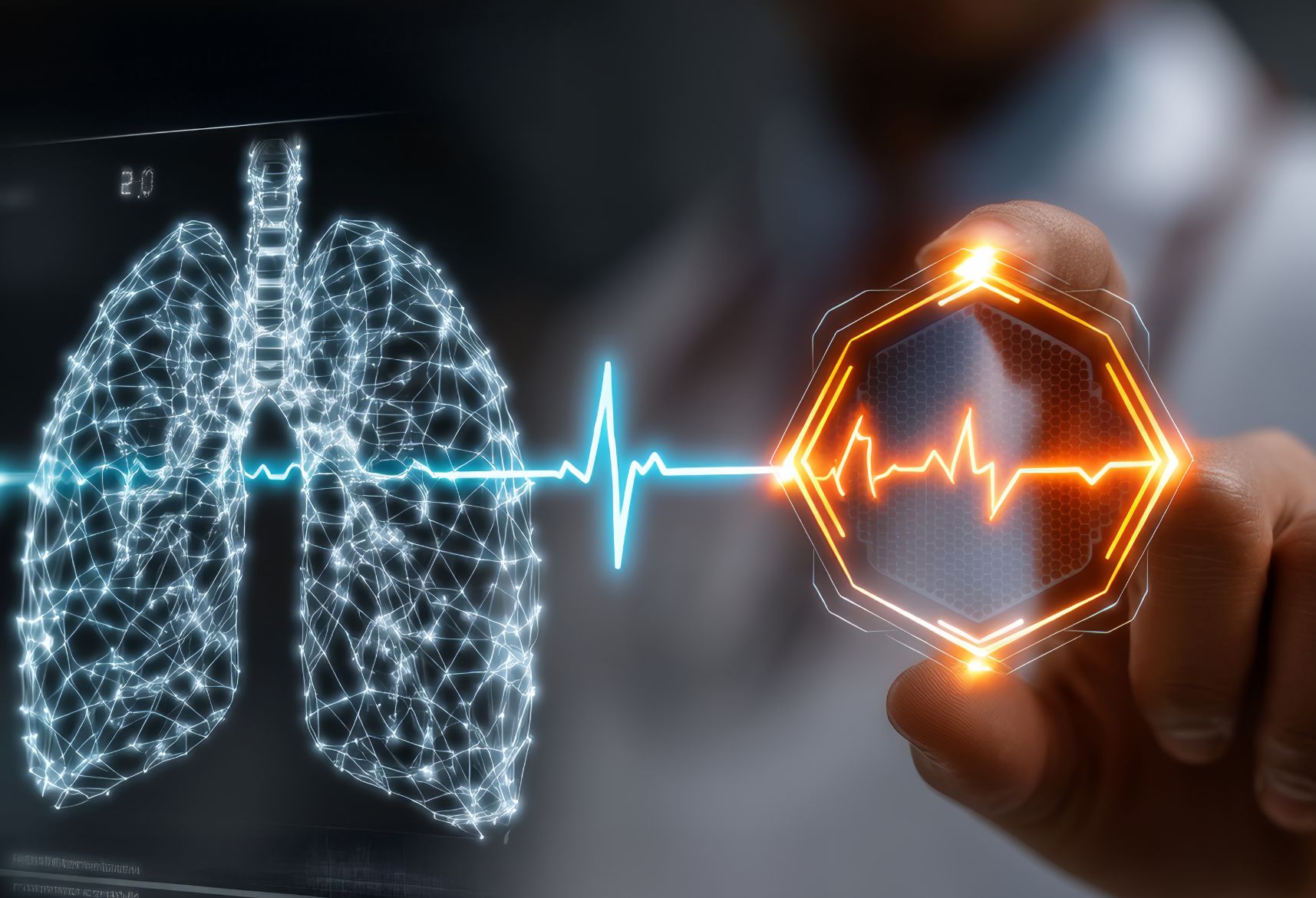
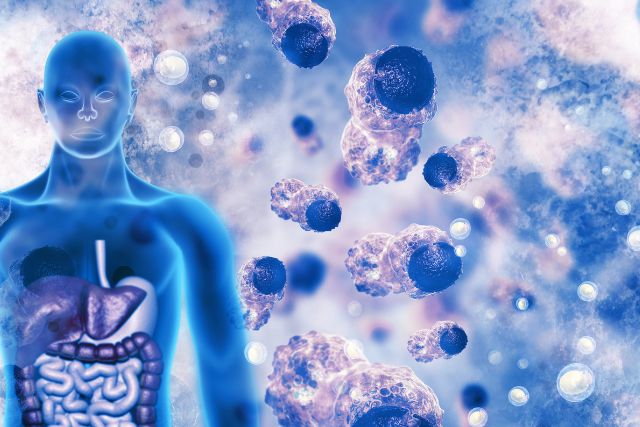
AI is revolutionizing medicine. It’s impact will be as big, if not bigger, than the impact of the computer. This technology will be used to better diagnose and treat patients and improve efficiency in medical research and drug discovery, hospital management, and overall population health.
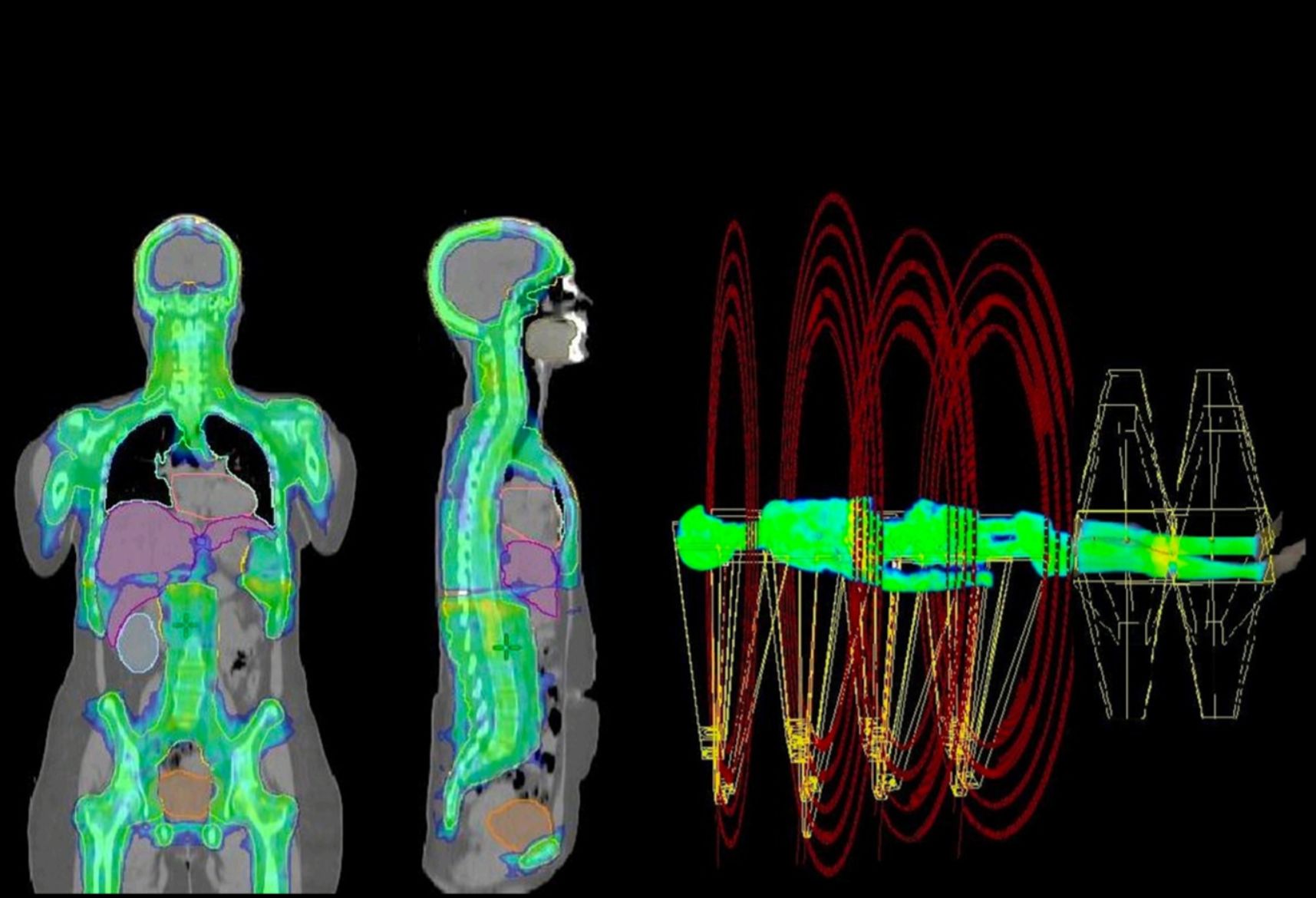
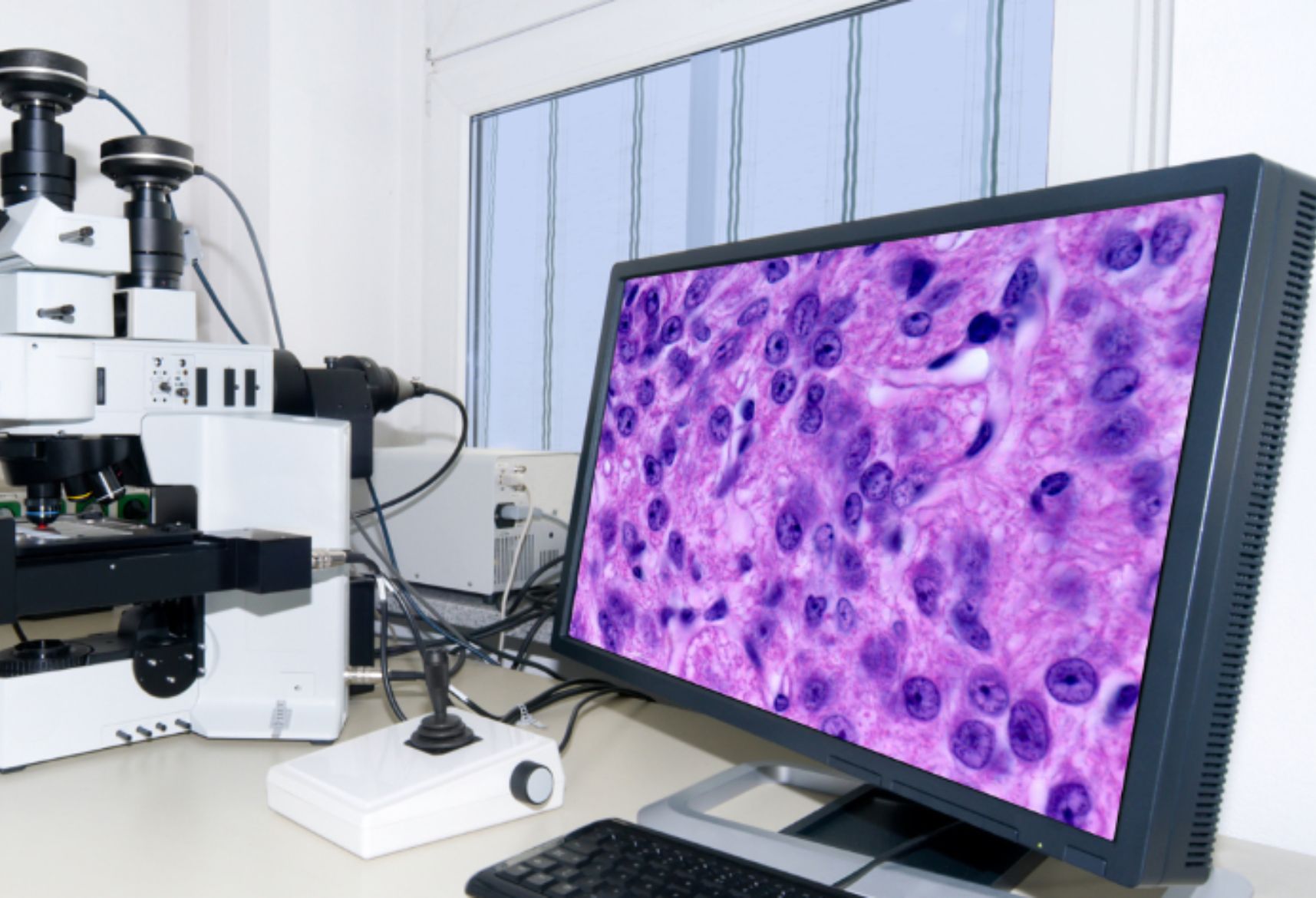
One example of this is using AI in medical imaging. It’s also being used in pathology to analyze scanned tissue. There are so many opportunities and areas for improvement for working with AI in medicine.
It will help improve the efficiency of medical care and help create a more proactive rather than reactive system. While some suggest the benefit of AI exceeds its risk, all AI tools in healthcare require human judgement to verify their output against clinical evidence and the data quality.
The factors that represent bias in training datasets, including generalizability, transparency and accountability, continue to be important in determining trust in the technology. The future of AI in healthcare depends on its responsible, prudent and collaborative implementation with clinicians.
Precision Medicine: Treatment Designed Around the Individual
In the field of healthcare, there is a drive towards individualized, precision treatments. This builds on the existing strategy of identifying homogenous groups to inform a broad treatment protocol.
In this regard, precision medicine takes into account an individual’s unique characteristics, differences in genes and the biology of the disease, as well as social and environmental factors.
There have been rapid advances in molecular diagnostics and biomarker research. Enhanced genomics and laboratory testing have played an increasingly important role in providing healthcare practitioners the tools to better understand the biology of a patient’s disease and subgroup it accordingly. This knowledge can help inform selection of the most appropriate treatment for the patient.
In oncology, molecular diagnostics can aid in identifying underlying genetic alterations and inform drug choices. Pharmacogenomics can help understand the relationship between variations in a patient’s genomic makeup and their response to treatment.
There is an increasing merge of diagnostics and therapeutics. This has important implications for modern healthcare and the goal of providing the right treatment to the right patient at the right time.
Diagnostic: The Backbone of Better Healthcare Choices
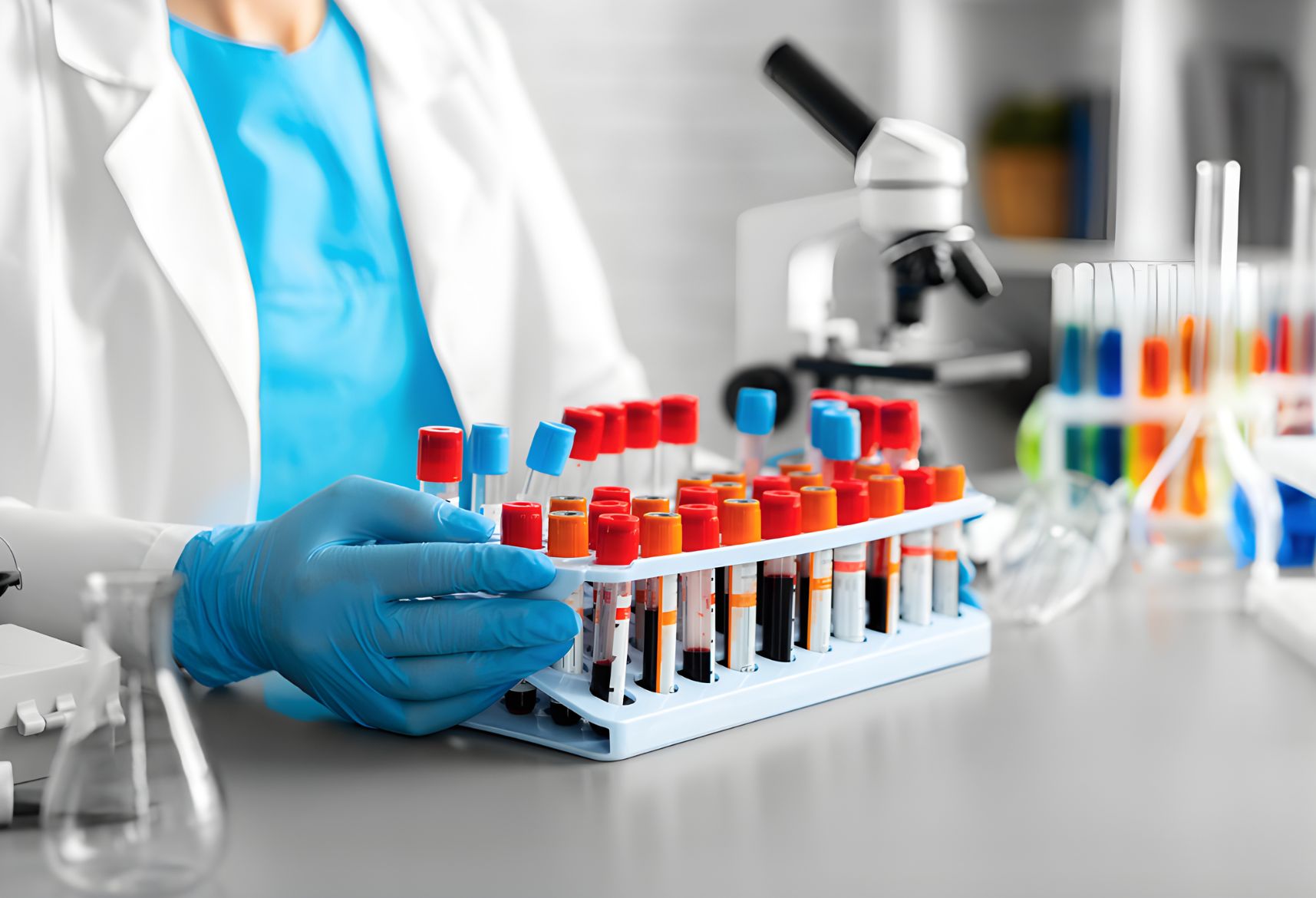
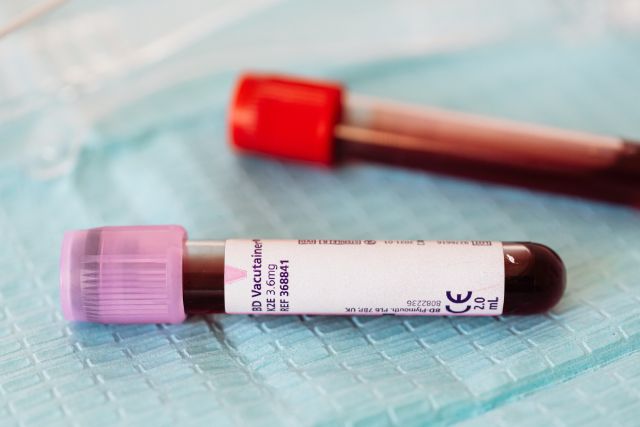
All effective healthcare plans rely on accurate diagnostic information. Laboratories and diagnostic technology providers help healthcare professionals identify diseases, monitor treatment and counsel in public health.
There are innovations in diagnostic technology and workflows. There are new methods of diagnostic analysis and greater integration between the various systems that help healthcare workers make decisions with greater confidence.
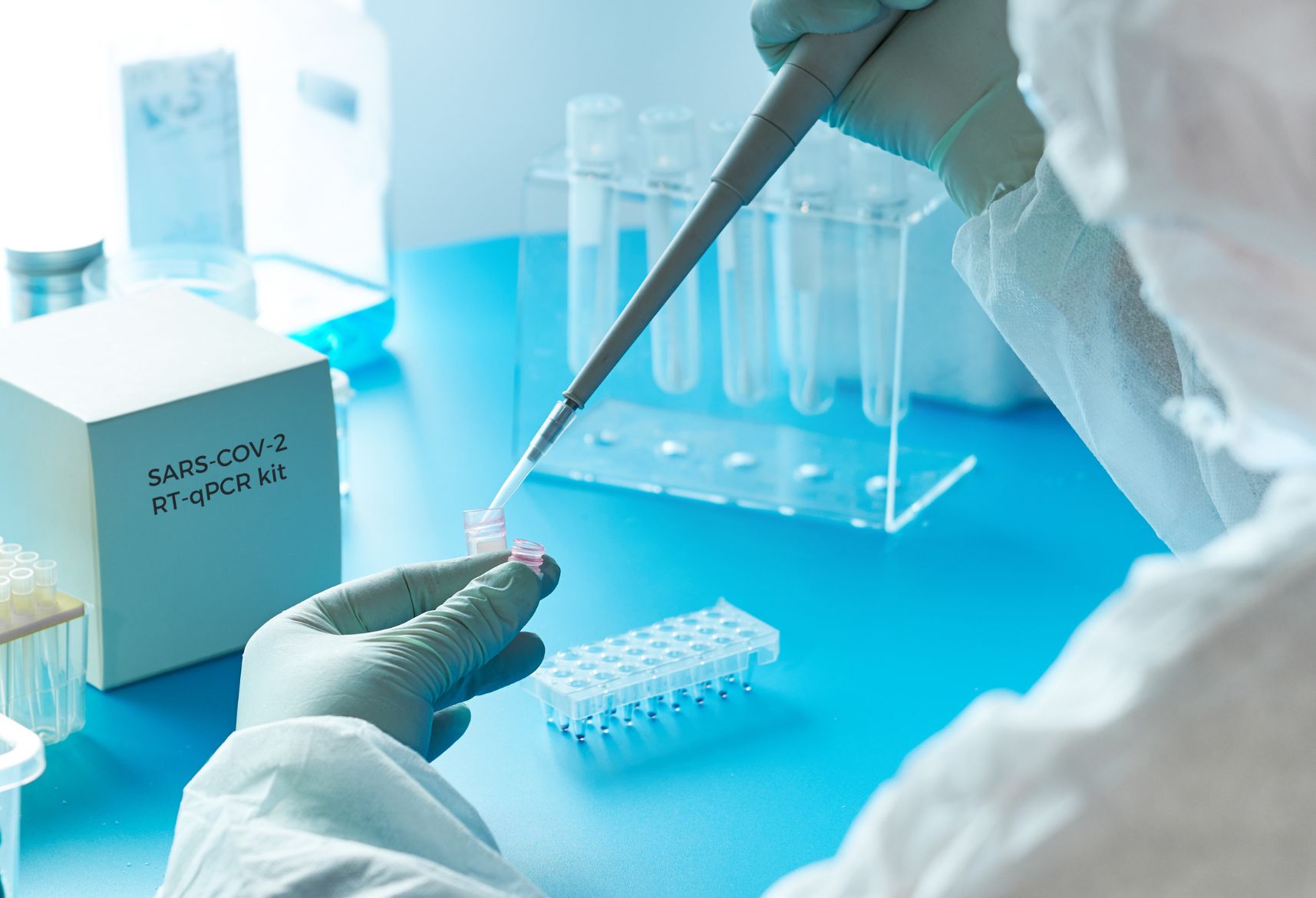
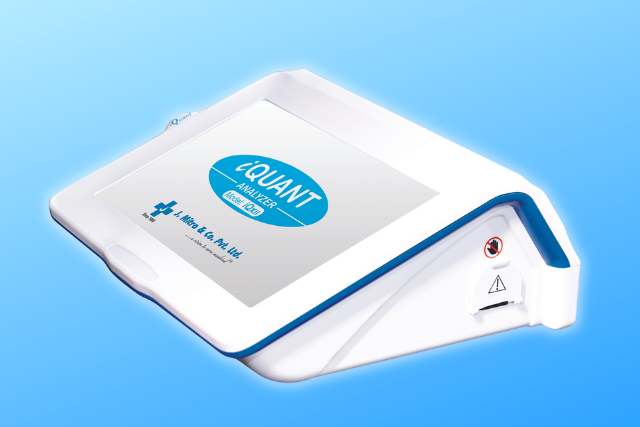
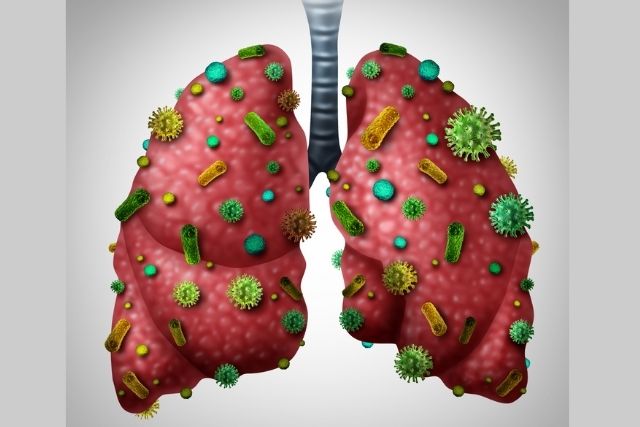
The usage of point-of-care diagnostics is growing, especially when immediate clinical decisions depend on the results. Similarly, the use of polymerase chain reaction (PCR) and other molecular technologies to diagnose infections has increased.
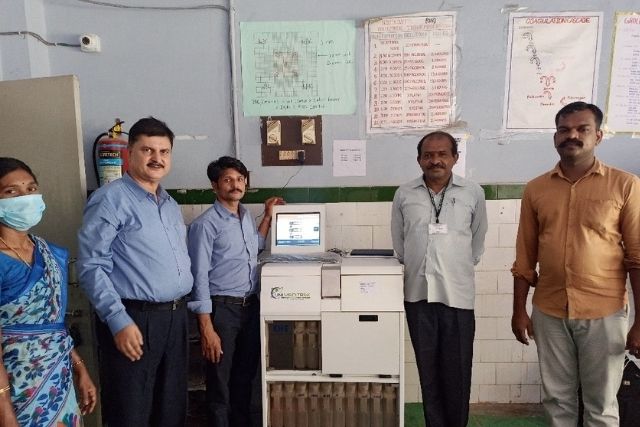
Laboratory automation is another growing field. Automation of sample processing and analysis, combined with intelligent workflow systems, have decreased the need for personnel to perform repetitive, manual tasks.
It is important to note that, though automation has made laboratories more flexible and responsive, there are still many traditional quality systems and processes that help ensure integrity and reliability of laboratory test results.
As prevention and individualized medicine becomes more prevalent, the role of diagnostics in medicine will also increase.
Medical Devices: Engineering Better Clinical Outcomes
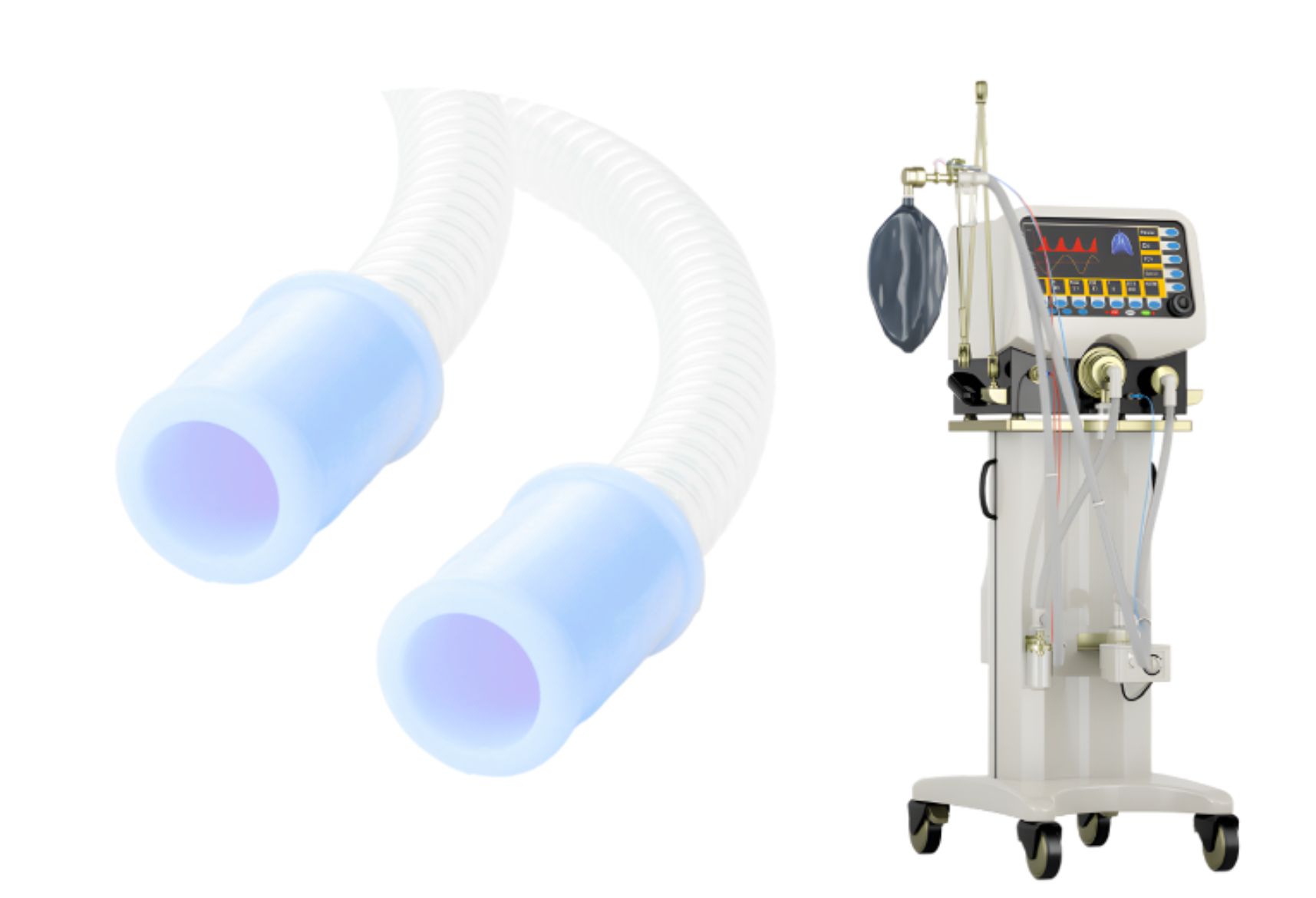
New materials and combination of multiple technologies (such as, engineering, electronics, software, and others) have enabled rapid evolution of medical devices. There is a wide array of new devices across the entire medical spectrum.
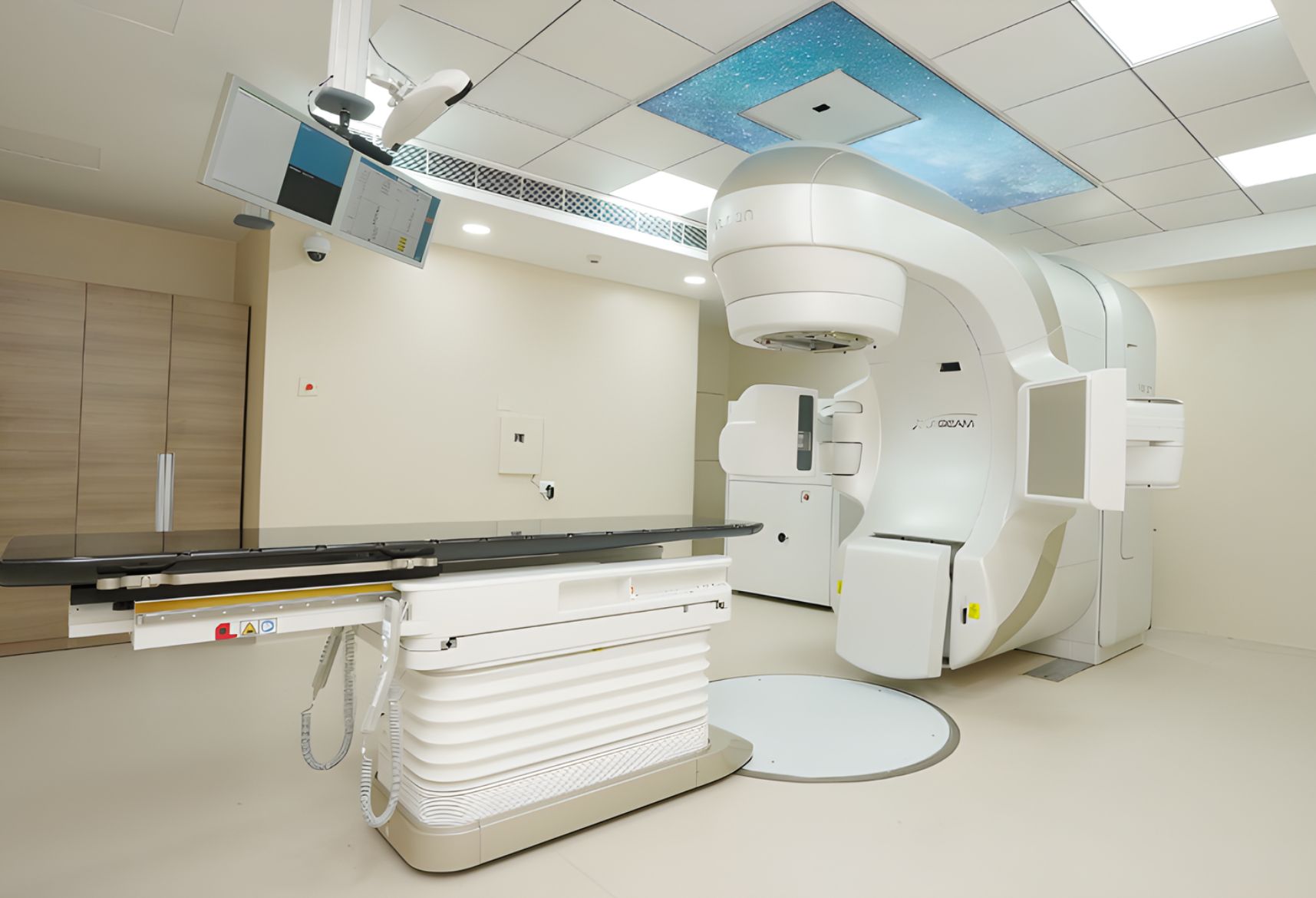
From imaging systems and patient monitors to instruments and devices for minimally-invasive surgery to smart infusion devices, medical devices have expanded the scope of healthcare professionals. Certain procedures can benefit from the use of robotic-assisted systems, and minimally invasive systems can help to reduce surgical trauma.
Some systems allow for continuous monitoring of vital signs, and can help to identify changes that might require clinical intervention.
There are ongoing developments in the integration of medical devices with healthcare systems. Wireless communications, secure data transfer, and aligned clinical practices can facilitate remote monitoring and management of patients.
Due to the increased pace of healthcare technology development, it is important for manufacturers to strengthen design and risk management processes.
These processes can be effectively integrated within the product development life cycle. Strong controls and risk management processes throughout the product life cycle will help to balance the benefits to the patient against the risks that can be introduced by the technology.
Changes in Emphasis in Healthcare
One of the major changes in healthcare is the increased focus on preventing disease as opposed to just treating disease once symptoms arise.
Various technological advances have enabled the identification of populations at risk for developing a certain health condition, and helped healthcare professionals provide timely evaluation and intervention to those individuals. Examples of such technologies include population health analytics and remote monitoring. Effective management of follow up care, adherence to treatment, and lifestyle changes can be achieved through digital platforms. The analysis of the data can also help health systems understand the burden of disease and the usage of their health services.
Effective prevention of disease and promotion of health is accomplished through a multifaceted approach which includes strong primary healthcare, active and receptive vaccination, risk factor prevention, early diagnosis, and timely treatment. Other enablers include the right policies, engaged communities, and appropriate use of new technologies.
While predictions can be used to assess the likelihood that a given individual will develop a certain health condition or experience a clinical event in the future, and help identify individuals that require close surveillance, it is important to keep in mind that all predictions are not certain. Also, the clinical value of a prediction depends on the accuracy, availability and type of the intervention that can be provided to a patient.
A prevention-oriented healthcare system is likely to decrease avoidable adverse health events, improve quality of life and optimize the use of the limited health system resources.
Smart Hospitals and Connected Healthcare Ecosystem
The use of integrated digital systems by hospitals has increased in order to enhance patient flow and resource optimization within the hospital.
Initiatives to enhance a hospital’s intelligence may include improved digital record keeping systems for patients and automated systems for inventory management. Real time operational dashboards may help optimize management of hospital resources, and reduce inefficiencies.
Integration of hospital information systems, laboratory information management systems, radiology systems and other components of the electronic medical record can also facilitate continuity of care. However, the various fragmented systems in use today present numerous challenges.
A combination of the right digital infrastructure, investment in cyber security and training, as well as good change management, are critical success factors for transformation. While many organizations are overwhelmed by the breadth and pace of change, the greatest value will come from solutions that are aligned to meet the most pressing needs of the frontline workforce and do not unduly complicate already complex workflows.
The most effective healthcare systems of the future will be judged on the integration of digital systems to improve the safety and quality of service and patient experience.
Innovation Must Be Accessible, Affordable, and Sustainable
In many developing countries, rapid improvement in care availability is limited by the cost and accessibility of advanced medical equipment and systems, and by sustainability challenges related to healthcare workforce and delivery system capacities. Innovations in medical care remain inaccessible to numerous underserved populations.
At the same time, efforts are under way in several developing countries to combine technology and medical innovation to make cost-effective improvements in healthcare.
The integration of innovative, reliable, low-cost and easy-to-maintain medical equipment along the digital health continuum can play a key role in improving access to medical care for the underserved.
Sustainability is quickly becoming another critical focus area. This has led to the development of new approaches to medical waste disposal, procurement, and the management of consumables and equipment.
These strategies provide the opportunity to improve an organization’s environmental footprint, as well as to strengthen the operational resilience of the facility.
One must ultimately assess the true clinical value of a given medical innovation by analyzing the benefits it confers to the widest possible population. Cost, reliability, and ethical considerations must also be incorporated into a meaningful assessment of medical innovation.
The Road Ahead: Human-Centered Innovation
The intersection of new medical and surgical technologies, better data, and enhanced facilities will require the industry to concentrate on responsibility and integrity, as much as it will allow the industry to focus on breaking new frontiers in medicine.
Healthcare professionals, scientists, and engineers will also be required to work in close partnership to achieve positive outcomes.
Healthcare innovation must ultimately be grounded in the human touch. That will not change. New medical innovation, integrated with the best of technology, will propel the profession forward more than ever before.
Conclusion: Innovation That Makes a Difference
Medical innovation will not only impact how we use existing technologies, but also expand the frontiers of medicine. New diagnostic and therapeutic systems and devices will significantly improve patient outcomes and experiences.
However, what really matters when assessing the advancement of a field is its impact on people. New discoveries are useful and helpful when clinicians can make better and more adequate decisions to care for patients and strengthen healthcare systems.
What we need now is “healing innovation”. As the lines between science and fiction are blurred, the most challenging yet rewarding work in healthcare is to create a future of better, more adequate and accessible, compassionate and equitable healthcare.
For the healthcare industry, the goal is to improve the systems and establish equitable, resilient and trustworthy healthcare services.