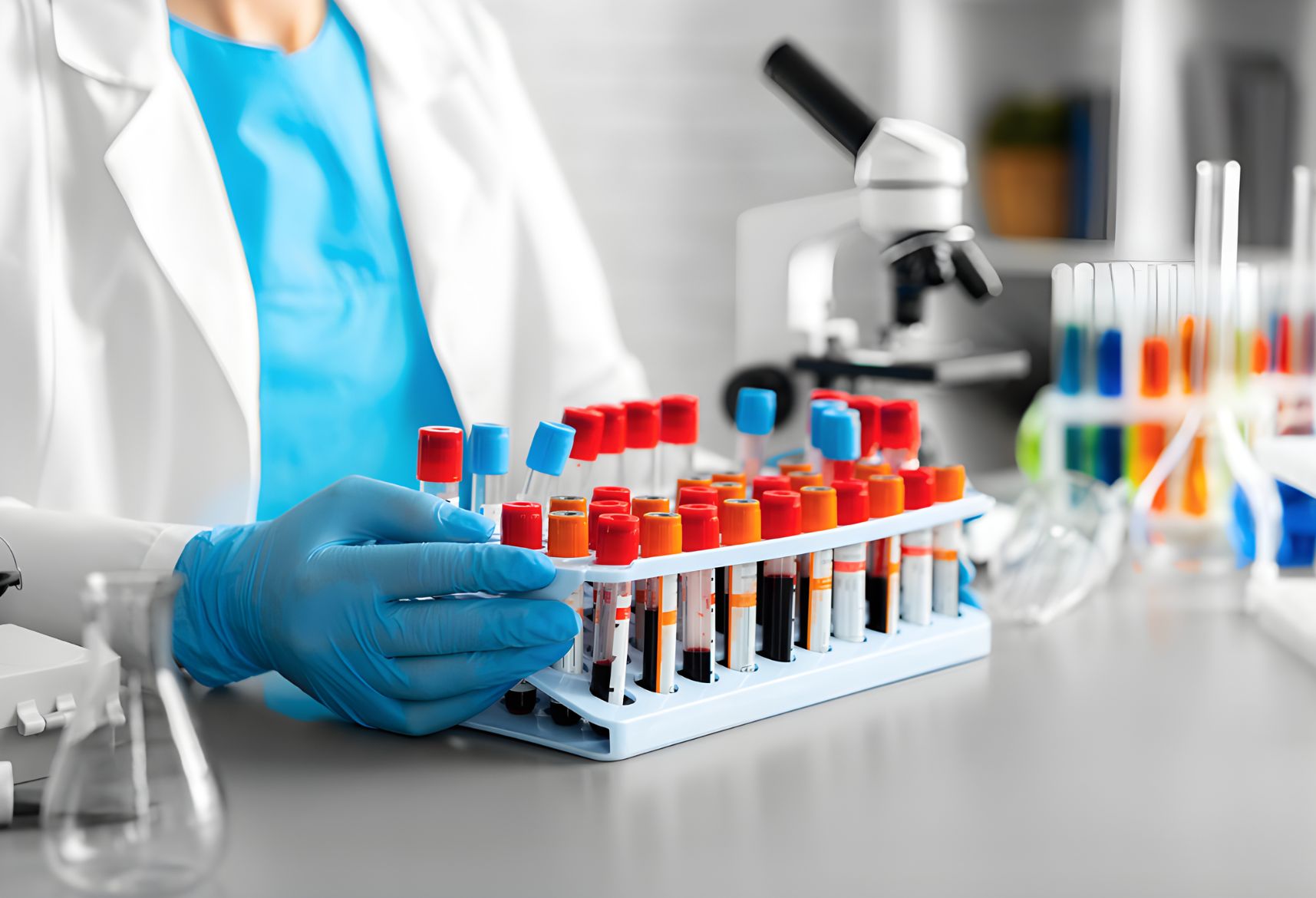



Diagnostics has always been one of the most important foundations of modern healthcare. Before a treatment can be selected, a disease can be monitored, or a patient’s risk can be assessed, healthcare professionals need reliable information about what is happening inside the body.
From Advanced Testing to Intelligent HealthcareHow Molecular Science, AI, Automation and Connected Technologies
For decades, diagnostic laboratories have progressively improved their ability to identify pathogens, detect biomarkers, characterize genetic changes, visualize tissue, and measure biochemical parameters.
Today, however, diagnostics is entering a fundamentally different era.
The evolution is no longer limited to making individual tests faster, more sensitive, or more specific. The larger transformation is about connecting testing with data, automation, artificial intelligence, clinical information, and decision-making.
This is the beginning of the diagnostic revolution.
The diagnostic laboratory is evolving from a testing facility into an intelligent healthcare hub—one capable of generating, interpreting, connecting, and delivering actionable information at unprecedented speed.
From “What Is Wrong?” to “What Should We Do Next?”
Traditional diagnostics has largely focused on answering a fundamental question:
What is happening with the patient?
Modern diagnostics is expanding that question.
Healthcare professionals increasingly want to know:
- What is causing the condition?
- How early can it be detected?
- How severe is it?
- How is it likely to progress?
- Which treatment is most appropriate?
- How will the patient respond?
- Is the disease returning?
- Can deterioration be predicted before symptoms appear?
This shift is moving diagnostics from descriptive testing toward predictive and personalized healthcare.
The diagnostic result is no longer an isolated laboratory value. It is becoming one component of a much larger information ecosystem.
The Four Pillars of the Diagnostic Revolution
The transformation of diagnostics can be understood through four interconnected pillars:
- Advanced Testing
New molecular, genomic, proteomic, imaging, and biosensing technologies are increasing the depth and precision of detection.
- Automation
Automated sample processing and laboratory workflows are improving speed, consistency, and throughput.
- Artificial Intelligence
AI and machine learning are helping transform complex diagnostic datasets into useful insights.
- Connected Healthcare
Laboratory systems, diagnostic devices, electronic health records, clinicians, and patients are becoming increasingly interconnected.
Together, these technologies are creating a diagnostic ecosystem in which information can move rapidly from biological signal to clinical action.
Molecular Diagnostics: Seeing Disease at Its Source
Molecular diagnostics has transformed the ability to detect disease.
Instead of relying exclusively on visible characteristics, culture, or biochemical reactions, molecular technologies can identify specific genetic sequences associated with pathogens, inherited conditions, or disease processes.
Technologies such as:
- PCR
- Real-time PCR
- Digital PCR
- Isothermal amplification
- Next-generation sequencing
- CRISPR-based detection are expanding the
- capabilities of diagnostic laboratories.
These technologies have applications across infectious disease, oncology, genetics, reproductive medicine, transplantation, and personalized healthcare.
Digital PCR and Ultra-Sensitive Detection
Digital PCR enables highly sensitive detection and quantification of nucleic acid targets by partitioning samples into numerous individual reactions.
This capability can be particularly useful when the target is present at very low concentrations.
Potential applications include rare mutation detection, liquid biopsy, viral monitoring, and gene therapy development.
The broader trend is clear:
Diagnostics is moving toward detecting smaller biological signals earlier.
Genomics: Understanding the Individual Patient
Genomics has become a major driver of personalized healthcare.
Next-generation sequencing enables laboratories to examine large numbers of genetic sequences simultaneously, opening opportunities for identifying disease-associated variants and understanding biological differences between patients.
Genomic diagnostics can support:
- Rare disease diagnosis
- Cancer profiling
- Pharmacogenomics
- Hereditary disease assessment
- Infectious disease surveillance
- Reproductive health
- Precision medicine
The value of genomic information becomes even greater when combined with clinical data, imaging, pathology, and other diagnostic information.
This creates a transition from single-test diagnosis to integrated biological profiling.
Liquid Biopsy: A New Window Into Disease
One of the most promising developments in modern diagnostics is liquid biopsy.
Instead of relying entirely on invasive tissue sampling, liquid biopsy approaches can analyze disease-associated material circulating in biological fluids.
In oncology, researchers are investigating biomarkers such as:
- Circulating tumor DNA
- Cell-free DNA
- Circulating tumor cells
- Extracellular vesicles
- Protein biomarkers
These technologies may support earlier cancer detection, molecular characterization, treatment selection, and monitoring of treatment response.
The long-term potential is significant. A simple blood sample could provide information about molecular changes occurring elsewhere in the body.
This could help move healthcare closer to a model of continuous molecular surveillance.
The Rise of Multiplex Testing
Patients often present with symptoms that could have multiple causes. Traditional diagnostic pathways may require several individual tests performed sequentially.
Multiplex diagnostic platforms can analyze multiple targets simultaneously. A single sample may potentially be evaluated for numerous pathogens, biomarkers, or molecular signatures.
This approach can:
- Reduce testing time
- Conserve sample volume
- Simplify workflows
- Improve diagnostic coverage
- Support faster clinical decisions
Multiplexing is particularly valuable in infectious disease diagnostics, where symptoms from different pathogens can overlap significantly.
Point-of-Care Diagnostics: Bringing Intelligence to the Patient
The centralized laboratory remains essential, but diagnostics is increasingly moving closer to the patient.
Point-of-care technologies can deliver testing in:
- Hospitals
- Emergency departments
- Clinics
- Pharmacies
- Remote healthcare settings
- Community health centers
- Home environments
The most important advantage is speed.
If a diagnostic result is available in minutes rather than hours or days, clinicians can potentially make treatment decisions during the same patient encounter.
This is transforming diagnostics from a laboratory-centered activity into a distributed healthcare capability.
Lab-on-a-Chip: Miniaturizing the Laboratory
Microfluidics is playing an important role in the decentralization of diagnostics.
Lab-on-a-chip technologies can integrate several laboratory functions onto compact devices.
A single platform may combine:
Sample preparation → Fluid handling → Reaction → Detection → Data analysis
Miniaturization can reduce reagent consumption, simplify workflows, and potentially shorten testing time.
These technologies are especially attractive for decentralized diagnostics, where conventional laboratory infrastructure may not be available. The laboratory is no longer necessarily defined by its physical size.
Increasingly, it is defined by its analytical capability.
Artificial Intelligence: The Intelligence Layer of Diagnostics
AI is rapidly becoming an important component of the diagnostic ecosystem.
Modern diagnostic technologies can produce enormous volumes of information.
AI can help analyze these datasets, recognize patterns, identify anomalies, and support interpretation.
AI in Medical Imaging
Machine learning can analyze medical images and assist in identifying patterns associated with disease.
Applications include radiology, ophthalmology, dermatology, cardiology, and other imaging-intensive specialties.
AI in Digital Pathology
AI can analyze digitized tissue images and assist with cell detection, classification, biomarker quantification, and case prioritization.
AI in Laboratory Medicine
Machine learning can support quality control, result interpretation, anomaly detection, and laboratory workflow optimization.
AI in Genomics
AI can help interpret complex genetic datasets and prioritize potentially clinically relevant variants. The objective is not necessarily to replace healthcare professionals.
Instead, AI can provide an intelligent analytical layer that helps professionals manage increasingly complex information.
Digital Pathology: Turning Images Into Information
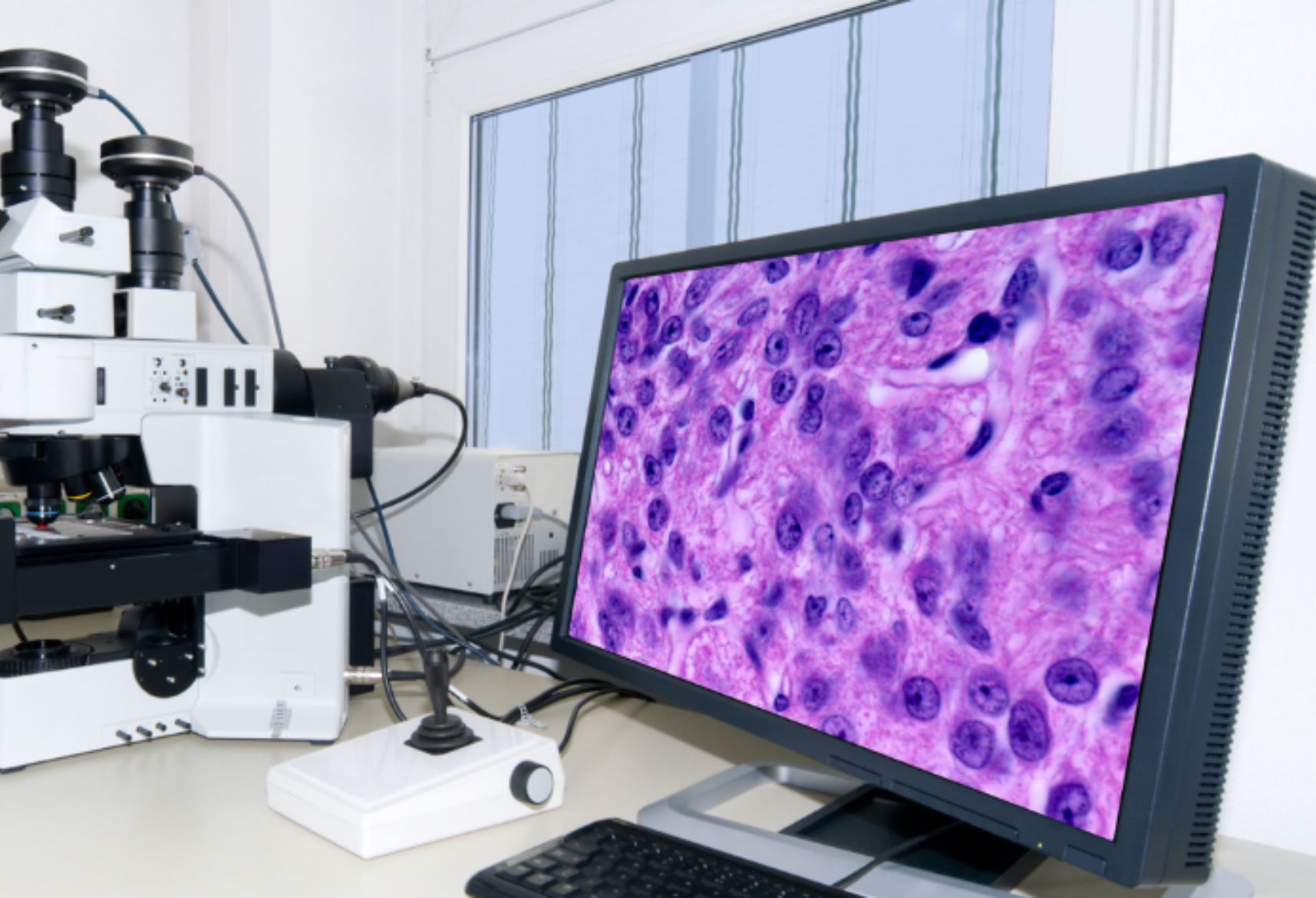
Pathology has traditionally depended heavily on glass slides and visual examination. Digital pathology changes this model by converting tissue specimens into high-resolution digital images.
Once digitized, these images can be:
- Stored electronically
- Shared remotely
- Analyzed computationally
- Compared with reference datasets
- Integrated with patient information
- Used for AI-assisted interpretation
This enables pathology to become increasingly quantitative.Instead of relying only on qualitative observations, algorithms can measure cellular and tissue characteristics at scale.
The result is a transition from visual pathology toward data-rich pathology.
Automation: The Engine Behind High-Throughput Diagnostics
As diagnostic demand increases, manual workflows become increasingly difficult to scale.
Automation can support almost every stage of the laboratory process.
Pre-Analytical Automation
- Sample registration
- Barcode identification
- Sorting
- Aliquoting
- Sample preparation
Analytical Automation
- Reagent handling
- Instrument loading
- Testing
- Calibration checks
- Quality control
Post-Analytical Automation
- Data processing
- Result verification
- Reporting
- Data transmission
- Archiving
Automation improves consistency while allowing skilled professionals to focus on activities requiring interpretation and judgment.
The modern diagnostic laboratory is therefore evolving into a highly coordinated digital and automated environment.
The Smart Diagnostic Laboratory
The next generation of diagnostic laboratories will be highly connected.
Laboratory information systems, analyzers, middleware, automation platforms, electronic health records, and clinical decision-support systems can increasingly exchange information.
A connected workflow could look like:
Patient → Sample → Automated Processing → Analyzer → Data Platform → AI-Assisted Interpretation → Clinician
The fewer unnecessary manual steps between these stages, the faster and more traceable the diagnostic pathway becomes.
Connectivity also creates opportunities for real-time monitoring of laboratory operations, instrument performance, workload, and quality indicators.
Real-Time Diagnostics and Continuous Monitoring
- Traditional diagnostics often provides a snapshot.
- A sample is collected, tested, and reported.
- But many diseases are dynamic.
- A patient’s condition can change continuously.
Wearable sensors, implantable devices, biosensors, and connected monitoring platforms are creating opportunities to observe biological parameters over longer periods.
This can support monitoring of:
- Glucose
- Cardiac parameters
- Oxygen levels
- Physiological signals
- Biochemical markers
- Activity patterns
The result is a transition from episodic measurement toward continuous health intelligence.
Biosensors: Detecting Biology in Real Time
Biosensors combine biological recognition mechanisms with detection technologies.
Modern biosensor research is exploring platforms capable of detecting extremely small concentrations of biological molecules.
Potential targets include:
- Proteins
- Nucleic acids
- Hormones
- Metabolites
- Pathogens
- Disease biomarkers
When integrated with portable electronics and digital connectivity, biosensors could provide information directly to healthcare platforms.
This creates the possibility of real-time biological monitoring outside the traditional laboratory.
Infectious Disease Diagnostics and Antimicrobial Resistance
Few areas demonstrate the importance of diagnostic innovation more clearly than infectious diseases.
Rapid identification of pathogens can support earlier and more appropriate treatment.
Next-generation platforms can provide:
- Rapid molecular detection
- Multiplex pathogen identification
- Resistance-marker detection
- Syndromic testing
- Sequencing-based surveillance
This is especially important in the fight against antimicrobial resistance (AMR).
The faster clinicians can understand which organism is responsible for an infection and whether resistance markers are present, the better positioned they are to make appropriate treatment decisions. Diagnostics is therefore becoming an important tool not only for patient care, but also for global health security.
Precision Medicine Starts With Precision Diagnostics
Precision medicine depends on accurate characterization of individual patients.
Advanced diagnostics can reveal differences in:
- Genetic makeup
- Tumor biology
- Biomarker profiles
- Immune response
- Disease mechanisms
- Treatment sensitivity
This information can support more personalized therapeutic decisions. In oncology, molecular profiling can identify genetic alterations that may influence treatment strategies. In infectious disease, pathogen characterization can guide antimicrobial selection.
In inherited disease, genomic testing can help identify the molecular basis of disease.
The message is simple:
Better characterization can enable better decisions.
Data Integration: The Missing Link
Advanced testing creates more information than ever before.
But isolated data has limited value.
The real opportunity lies in combining different sources of information.
Imagine integrating:
Genomics + Pathology + Imaging + Laboratory Results + Clinical History + Wearable Data
This creates a much richer representation of the patient’s health.
AI and advanced analytics can then identify relationships across these datasets.
This is one of the most important steps in the evolution from advanced testing to intelligent healthcare.
The Diagnostic Data Challenge
The diagnostic revolution also introduces significant challenges. More data means greater responsibility.
Healthcare organizations must address:
- Data privacy
- Cybersecurity
- Interoperability
- Data integrity
- Storage requirements
- Access control
- AI governance
- Regulatory compliance
Diagnostic information is highly sensitive. As diagnostic platforms become increasingly connected, protecting patient information must remain a fundamental priority. A truly intelligent healthcare system must also be a secure and trustworthy healthcare system.
Trust, Validation and Clinical Confidence
Technological sophistication does not automatically guarantee diagnostic accuracy.
Every diagnostic technology must demonstrate appropriate analytical and clinical performance.
Important considerations include:
- Sensitivity
- Specificity
- Precision
- Reproducibility
- Limit of detection
- Robustness
- Clinical utility
For AI-powered diagnostic systems, additional questions arise:
- Was the model trained on representative data?
- How does it perform across different populations?
- Can performance change over time?
- How are errors identified?
- When should human review override an AI recommendation?
The future of intelligent diagnostics will depend heavily on trust, transparency, validation, and human oversight.
From Laboratory Testing to Clinical Intelligence
The ultimate transformation is not the creation of a faster analyzer. It is the creation of a healthcare environment where diagnostic information continuously supports clinical decision-making.
Consider a future workflow:
- A patient develops symptoms.
- A rapid point-of-care test identifies a likely pathogen.
- Molecular testing provides additional confirmation.
- AI analyzes the result alongside the patient’s clinical information.
- The system identifies a potential resistance marker.
- The clinician receives an actionable recommendation.
- Follow-up monitoring tracks the patient’s response.
Additional testing is triggered automatically if the patient’s condition changes. This is more than advanced testing.
It is intelligent healthcare in action.
The Role of the Modern Laboratory Professional
Technology is changing laboratory roles, but it is not eliminating the importance of human expertise.
Instead, laboratory professionals are increasingly becoming:
- Data interpreters
- Quality specialists
- Technology users
- Workflow designers
- AI collaborators
- Scientific advisors
Future laboratory professionals will need a combination of scientific knowledge and digital literacy. Understanding how an assay works will remain essential.
But understanding how its data connects with other systems will become equally important.
Building the Intelligent Diagnostic Ecosystem
Organizations seeking to modernize diagnostics should consider a strategic approach.
- Identify the Clinical Need
Technology should begin with a clearly defined healthcare problem.
- Strengthen the Laboratory Foundation
Reliable sample management, quality systems, infrastructure, and data governance remain essential.
- Connect Diagnostic Systems
Interoperability should be considered from the beginning.
- Automate Repetitive Processes
Automation can improve speed, consistency, and scalability.
- Introduce AI Responsibly
AI should solve meaningful problems while maintaining appropriate validation and human oversight.
- Bring Testing Closer to the Patient
Where clinically appropriate, point-of-care and decentralized technologies can shorten the diagnostic pathway.
- Measure Outcomes
Success should be evaluated through turnaround time, accuracy, workflow efficiency, cost, patient outcomes, and clinical utility.
What Will Intelligent Healthcare Look Like?
The healthcare system of the future is likely to become increasingly predictive and personalized. Instead of waiting for disease to become clinically obvious, healthcare could increasingly identify biological changes earlier. Instead of relying on isolated laboratory results, clinicians could access integrated patient information.
Instead of manually reviewing every diagnostic dataset, professionals could receive AI-assisted analysis.
Instead of testing only when symptoms appear, continuous monitoring could provide information throughout the patient’s health journey.
The result is a healthcare model built around:
- Earlier detection
- Continuous monitoring
- Personalized intervention
- Data-driven decision-making
- Preventive care
The Road Ahead: From Diagnosis to Prediction
The most exciting stage of the diagnostic revolution may still be ahead. Today’s technologies are increasingly capable of identifying disease. Tomorrow’s technologies may become increasingly capable of predicting disease risk before disease becomes clinically apparent.
AI-powered risk models, multi-omics, advanced biomarkers, wearable sensors, liquid biopsy, digital phenotyping, and longitudinal health data could eventually allow healthcare systems to recognize subtle signals long before conventional diagnosis.
- This could fundamentally change the role of diagnostics.
- The laboratory would no longer simply answer:
“What disease does this patient have?”
It could increasingly help answer:
“What is likely to happen next, and what can we do about it?”
Conclusion: The Intelligent Future of Healthcare
The diagnostic revolution is transforming healthcare from a system based primarily on episodic testing into an increasingly connected, data-driven, and intelligent ecosystem. Molecular diagnostics is making detection more precise.
Genomics is revealing individual biological differences.
Liquid biopsy is creating new opportunities for minimally invasive disease monitoring. AI is helping interpret complex information. Automation is accelerating laboratory workflows. Point-of-care technologies are bringing testing closer to patients. Digital platforms are connecting diagnostic information across the healthcare system. Together, these advances are redefining the purpose of diagnostics. The future is not simply about more tests.
It is about better information, delivered faster, interpreted intelligently, and translated into better decisions.
The diagnostic laboratory of tomorrow will therefore be much more than a testing facility.
It will be a critical intelligence layer within healthcare—connecting biology, technology, data, clinicians, and patients to create a more proactive, precise, and personalized healthcare system.
The journey from advanced testing to intelligent healthcare has already begun.