


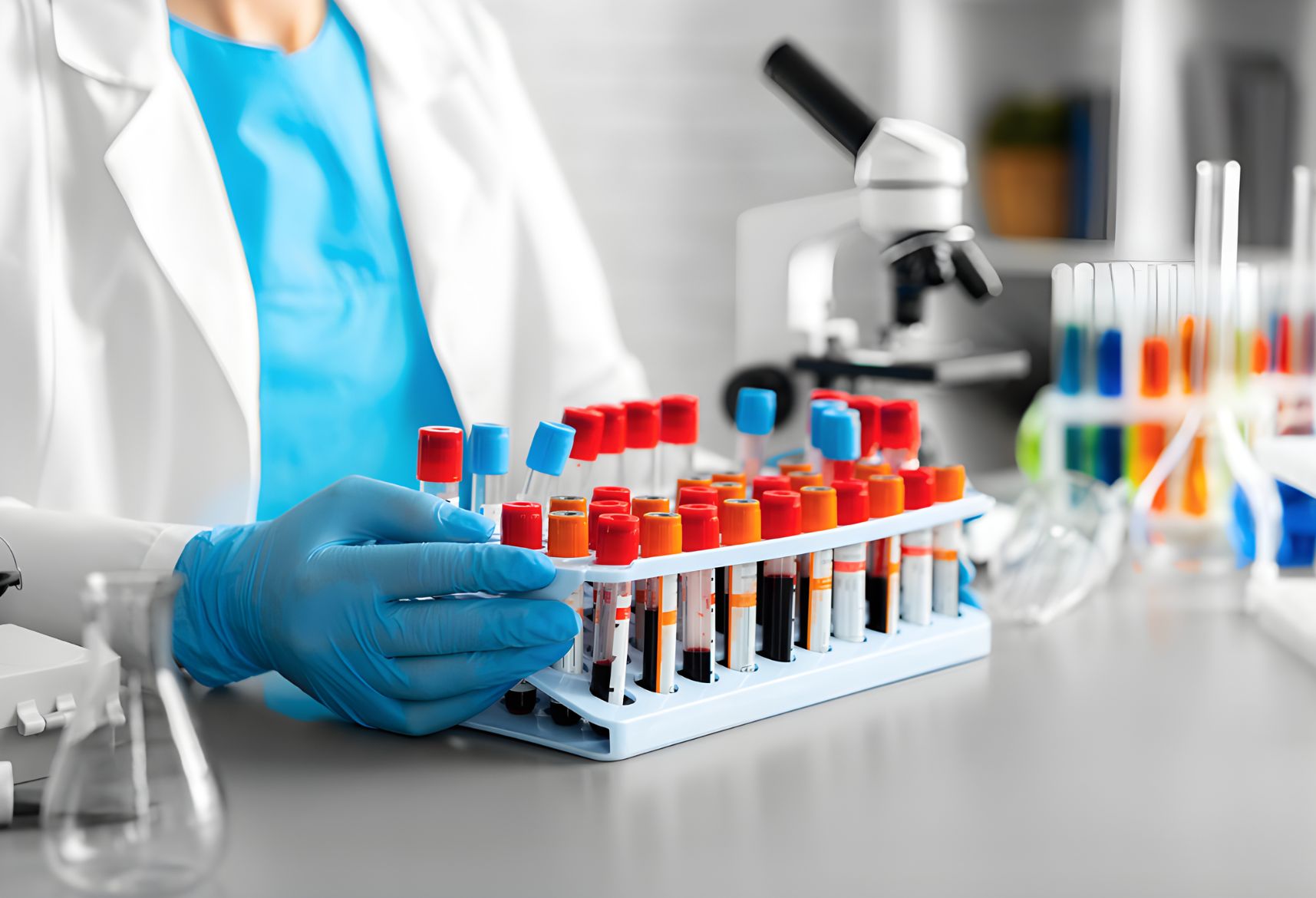
In contemporary clinical practice, the laboratory has moved far beyond its traditional role as a service unit that delivers test results. It is now a critical partner in diagnosis, treatment planning, disease monitoring, and clinical research. As healthcare shifts toward precision medicine and faster clinical decision-making, the presence of a robust, integrated in-house reference laboratory within a hospital ecosystem has become increasingly important.
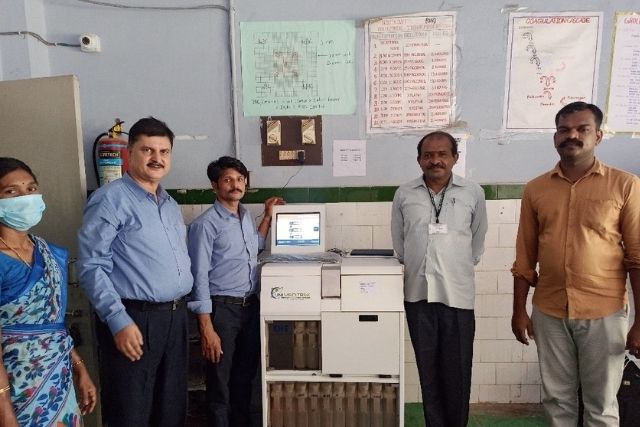
At Kauvery Hospital, this vision is reflected through the establishment of Kauvery Reference Laboratory, an advanced in-house facility located at Alwarpet and functioning as a central diagnostic backbone. Designed to operate round the clock, the laboratory supports emergency, inpatient, and outpatient services while enabling seamless clinical coordination. Being NABL accredited as per ISO 15189:2022 standards, it follows structured quality protocols and participates in accredited proficiency programs to maintain consistency and reliability.
The strength of an in-house reference laboratory lies not only in technology but also in the integration of specialties.
Today’s diagnostics require close collaboration across disciplines, where insights from haematology, microbiology, molecular biology, clinical chemistry, and pathology collectively shape patient management.
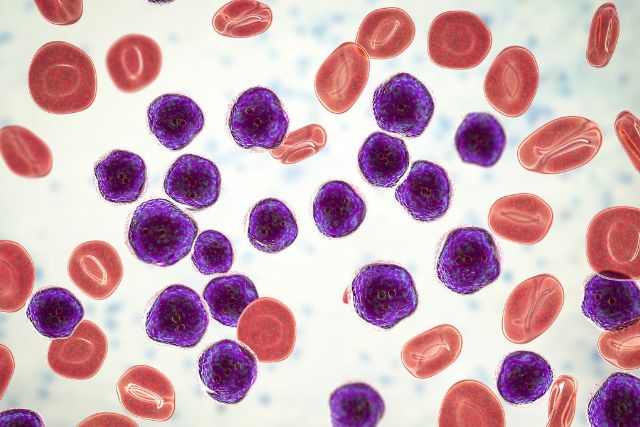
Haematology and clinical pathology have seen significant evolution with automation and flow cytometry enhancing both speed and precision. Routine and specialized testing at the laboratory is led by Dr Supraja, whose team integrates automated analysis with expert interpretation. The role of flow cytometry in identifying hematological malignancies and immune disorders reflects how diagnostics now contribute directly to treatment planning rather than functioning as isolated data points.
Clinical chemistry, a core pillar of hospital diagnostics, has expanded from routine metabolic panels to highly specialized investigations. Under the leadership of Dr Subha Palaneeswari and Dr Selvakumar, the department supports advanced biomarker-based testing including therapeutic drug monitoring, cardiac markers, and specialized protein studies.
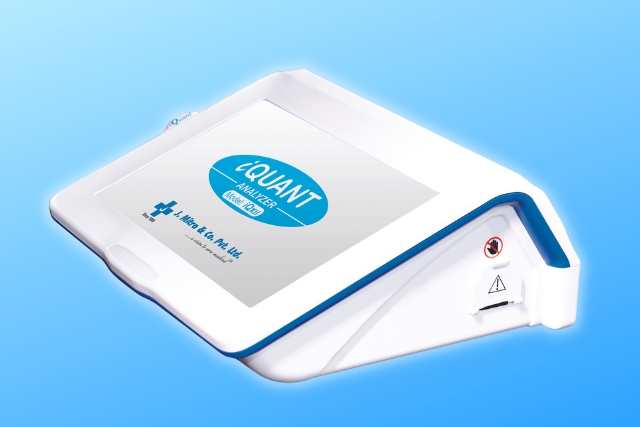
Multiple interfaced platforms allow high-volume testing while maintaining accuracy, enabling clinicians to track disease progression and treatment response with greater confidence.
Infectious disease diagnostics has undergone one of the most notable transformations in recent years. The microbiology, serology, and immunology divisions—guided by Dr Kanimozhi and Dr Srivalsa—combine conventional culture methods with automated microbial identification and rapid molecular platforms. Technologies such as syndromic panels enable detection of respiratory, blood, and central nervous system infections within hours, supporting early clinical intervention and better antimicrobial stewardship.
Molecular diagnostics continues to strengthen the laboratory’s role in precision healthcare. PCR-based platforms allow rapid detection and monitoring of viral infections, including hepatitis, influenza variants, and HIV, while also supporting future expansion into genetic and oncological applications.
The integration of molecular testing within the hospital framework significantly reduces turnaround time and improves continuity of care. Surgical pathology remains central to diagnosis, particularly in oncology.
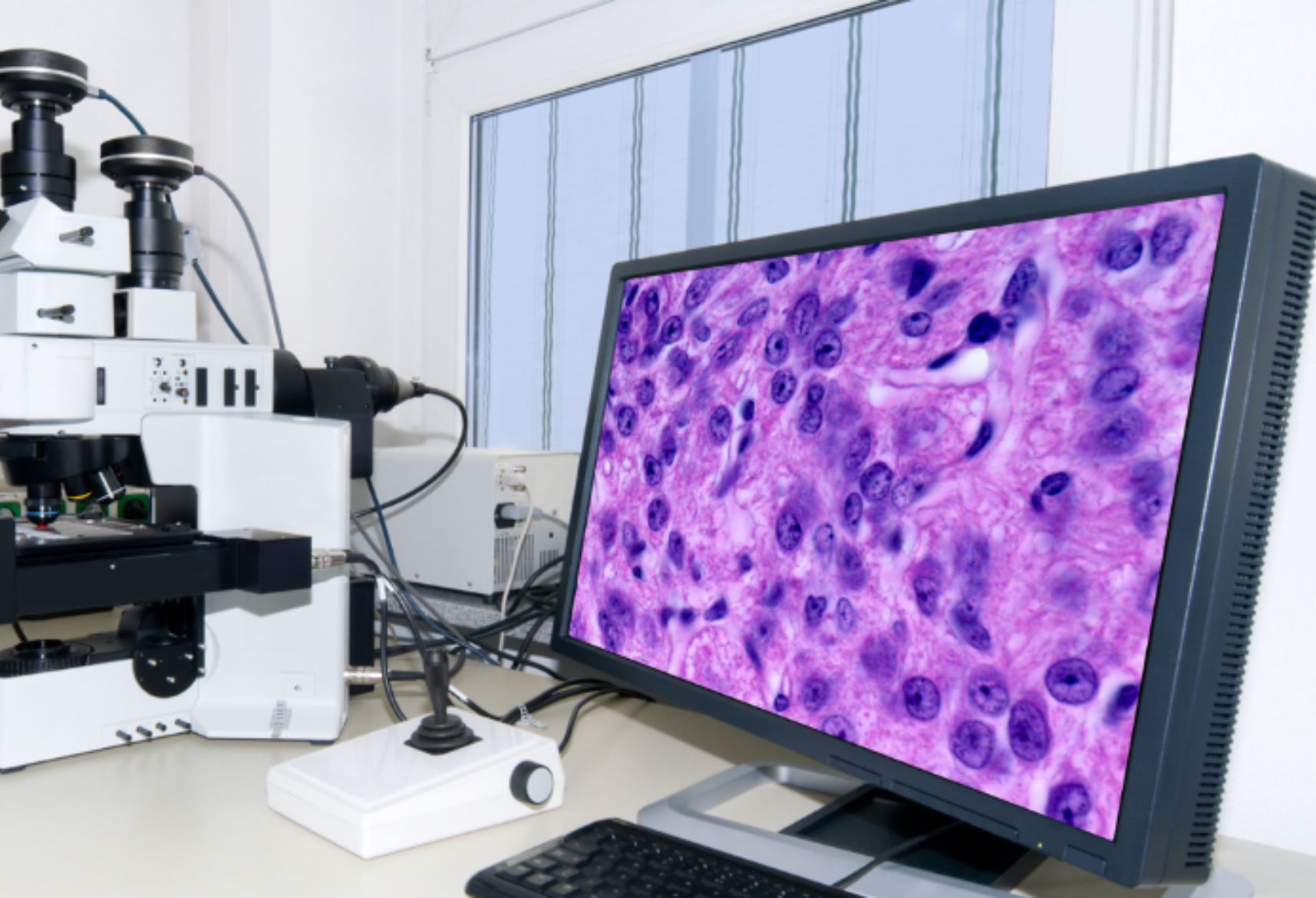
The department, headed by senior consultant Dr Priya S, along with a team comprising Dr Sharon Milton, Dr R Sangamitra, and Dr V Kavita, provides a comprehensive range of tissue-based diagnostics.
Services such as liquid-based cytology, frozen sections for intraoperative consultations, and immunohistochemistry panels support precise tumor characterization.

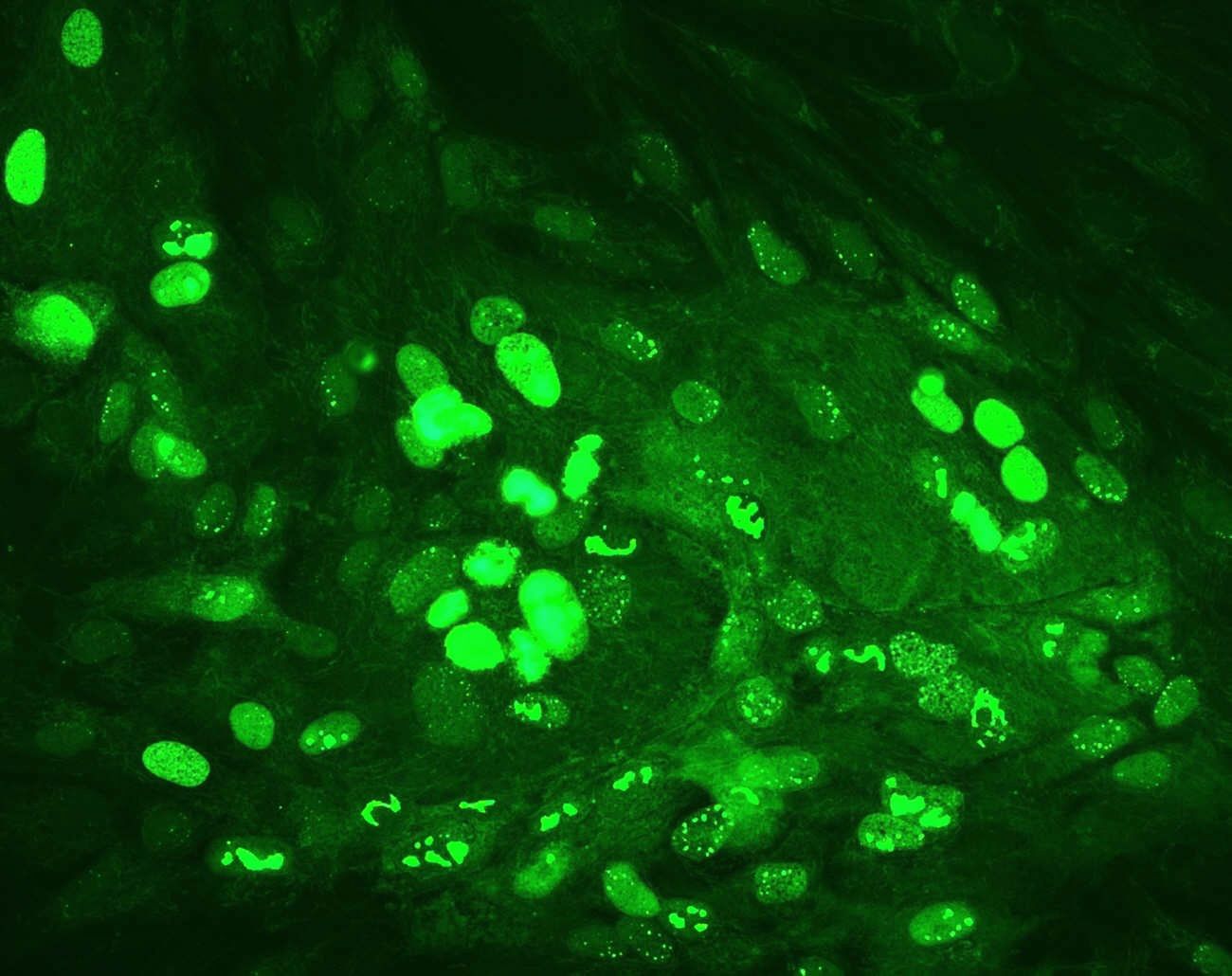
The recent introduction of renal pathology and dermatopathology, including direct immunofluorescence techniques, further strengthens subspecialty diagnostics.
The expansion into HLA and transplant immunology, led by Dr V Kavita, reflects the growing need for comprehensive transplant workup and monitoring. Advanced techniques such as high-resolution HLA typing and antibody assessment are essential in improving transplant compatibility and long-term outcomes. An integrated in-house reference laboratory brings tangible clinical advantages. Faster turnaround times, immediate access to specialist consultation, and seamless coordination between departments enhance both diagnostic accuracy and patient safety. It also allows clinicians to correlate laboratory findings more closely with clinical presentation, which is particularly important in complex or critical cases.
As diagnostic science continues to evolve, the value of integration becomes clearer. The presence of a centralized, technologically advanced, and specialist-driven facility within a hospital setting ensures that laboratory medicine remains closely aligned with patient care. In this context, the in-house reference laboratory at Kauvery Hospital represents not just an infrastructure asset, but a key enabler of modern, evidence-based clinical practice.
To know more: https://www.kauveryhospital.com/