


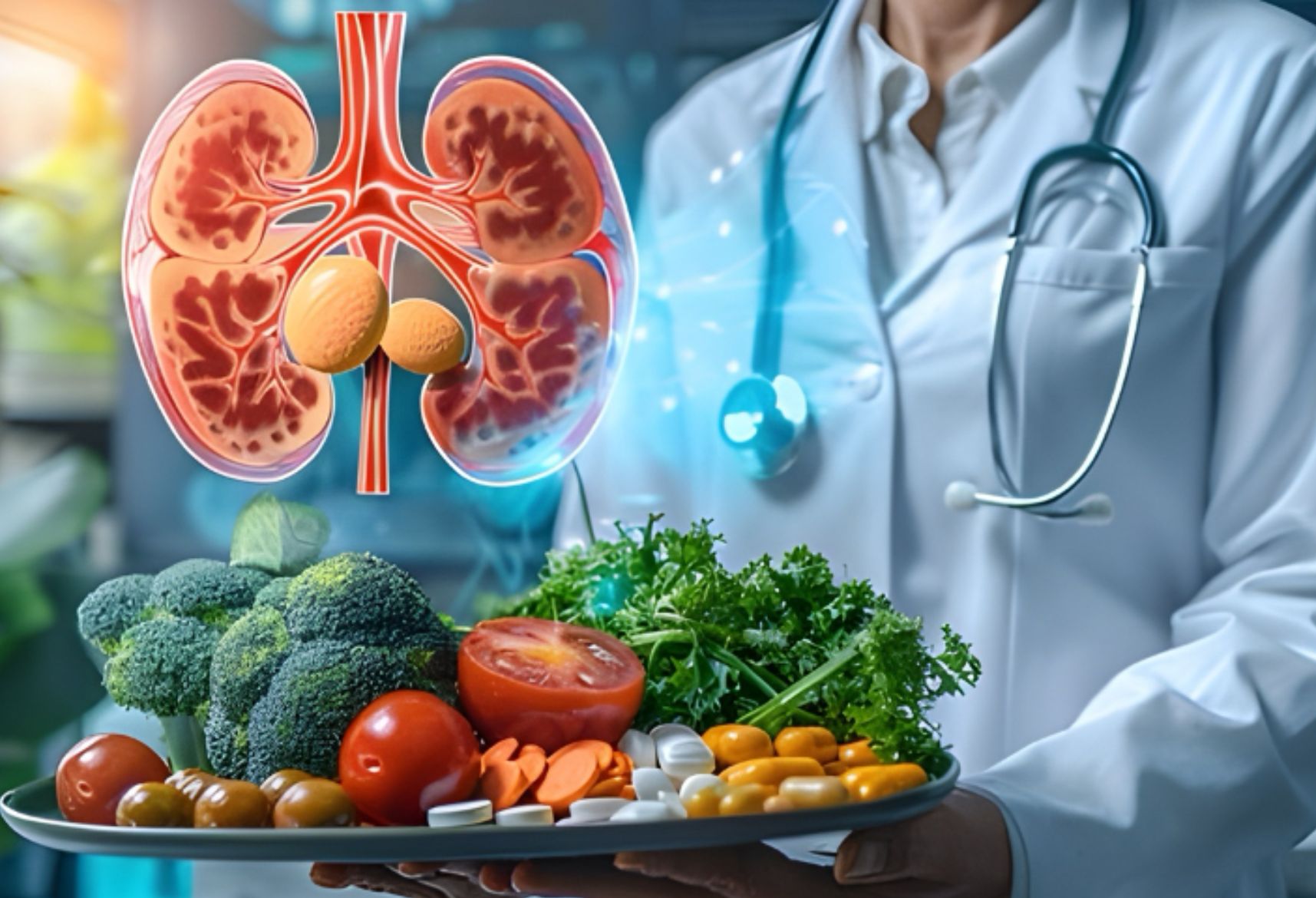
When patients come to me with questions about their kidneys, the first concern is about food and dietary measures for protection of kidneys.
“Doctor, what should I eat now?”
“And what should I avoid?”
This isn’t just curiosity, it’s genuine concern. And rightly so. Diet affects not just your kidneys but also blood pressure, blood sugar control, body weight, and heart health influences how kidney disease progresses or stabilises. What I aim to help patients understand is this: there is no single universal “kidney diet”, but there are principles that apply based on the individual’s condition.
Doctor, what kind of foods are generally good for kidney health?
In clinical practice, we start with the basics. Most people are familiar with foods that nourish the body without adding unnecessary strain on the kidneys. Kidneys benefit from balanced, regular meals that help steady blood pressure and blood glucose – the two biggest drivers of kidney damage.Eating a variety of foods, vegetables, moderate amounts of protein, and whole grains supports overall metabolism and slows metabolic stress on the kidneys. Freshly prepared meals made at home usually do this best because they let us control salt, additives, and portion sizes.
Are there certain foods kidney patients should limit or be careful with?
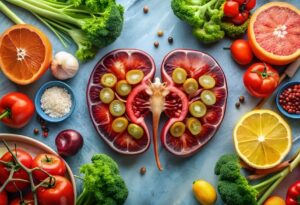
Yes, but this depends on where you are on the spectrum of kidney function. In the early stages of chronic kidney disease (CKD), severe restrictions aren’t usually needed.But as kidney disease progresses, we pay closer attention to specific substances like sodium and potassium.
- Sodium (salt): Excess sodium worsens fluid retention and makes blood pressure harder to control. Most patients consume far more sodium than they realise, especially from processed foods, ready meals, sauces, and restaurant dishes.
- Reducing sodium intake even by a small amount often improves blood pressure and reduces kidney’s workload.
- Potassium: These minerals can accumulate in the blood when kidney function worsens.All foods contain some potassium, while some are potassium rich. Avoid potassium rich food and consume foods with moderate potassium in small portions.
How does the right balance of protein help protect the kidneys?
Protein is a source of strength, it helps maintain muscle and immunity. But breaking protein down produces waste products that the kidneys must filter. In people with reduced kidney function, high protein intake can increase the kidneys’ filtering load.
In practical terms:
- For patients with mild CKD, a moderate protein intake is usually sufficient.
- For those with more advanced CKD, we often aim for a controlled protein intake based on body weight and lab results, helping reduce waste buildup while still preventing malnutrition.
This balance is quite individual. If protein is restricted without proper guidance, patients can become weak or undernourished, something we want to avoid.
That’s why assessments by the nephrology team and dietitian are crucial.
Why is salt control important for kidney health and blood pressure?
Salt affects blood pressure — and blood pressure affects kidneys. This is not just theory; it’s backed by decades of clinical evidence and global dietary recommendations.
Lowering sodium intake helps:
- Improve blood pressure control
- Reduce fluid retention
- Slow progression of kidney damage in people with hypertension or proteinuria (protein in the urine) All of these translate into better long-term kidney health.
In clinical counselling, I encourage patients to:
- Check food labels
- Cook more at home
- Use herbs and spices instead of salt
These are small adjustments with big impacts over time.
Is the same diet suitable for everyone, or does it change based on the stage of kidney disease?
This is a critical clinical point: diet is not one-size-fits-all for kidney disease.
Dietary recommendations are adjusted based on:
- Stage of kidney dysfunction
- Blood test results
- Presence of complications (e.g., high potassium, high phosphorus)
- Other conditions like diabetes or heart disease
- Medications and nutritional status
For example, someone with early CKD may simply focus on general healthy eating and salt moderation. Someone with more advanced CKD may need tailored guidance on potassium or phosphorus. That’s why a personalised plan is not optional, it’s clinical practice.
Why do doctors emphasise personalised diet plans, and why not follow online diets?
Any reputable guideline including the KDOQI nutrition recommendations, stresses that eating plans must be tailored to the individual patient’s needs, lab values, and stage of disease. Generic diets on the internet often miss the nuances and can either be too restrictive or unhelpful.
In my clinical experience, patients who follow personalised advice:
- Have better blood pressure control
- Maintain strength and body weight
- Experience fewer metabolic complications
This contrasts sharply with those who follow random online plans that don’t fit their specific health profile.
What I see in everyday practice
When diet is guided by clinical assessment, not fear or guesswork, patients adapt quickly. They stop worrying about every bite and start eating in a way that supports overall wellbeing, not just kidney numbers. Food should be something that nourishes you, not something you fear. With careful monitoring, thoughtful choices, and professional guidance, eating can be one of the supportive pillars of kidney care.
If you have questions about your kidneys or your diet, discussing them early with your doctor or a renal nutrition specialist can make a meaningful difference in how your kidney health progresses over time.
About Author:
Dr Shivakumar Dakshinamoorthy completed his DM in Nephrology from Kilpauk Medical College, MD from Madras Medical College, and MBBS from Madurai Medical College. He is an accomplished nephrologist with expertise in renal transplant, critical care nephrology, hemodialysis, and plasma exchange. He was part of the pioneering team that performed the first ABO-incompatible renal transplant in the government sector in India. He has received international training through an Observership in Interventional Nephrology in Dallas (2018) and is skilled in percutaneous CAPD catheter insertion, USG-guided kidney biopsy, and vascular access procedures. His research focuses on improving CKD outcomes, quality of life in transplant recipients, and the role of indigenous medicine in CKD pathogenesis. He has also contributed as a core committee member during JCI accreditation at SRMC.