


Healthcare now includes an ecosystem that engages the patients and is more than just hospitals and doctors. Patient journeys through the healthcare ecosystem are getting more innovative at every level from preventative care and diagnostics to treatment, rehabilitation and wellness.
Healthcare is undergoing a paradigm shift from simply diagnosing and treating to designing personalized, efficient and patient-centric care pathways.
Adaptation of healthcare systems to the needs and expectations of patients in a rapidly changing global environment is ensuring that the future is innovative, healthy and more accessible.
A Change Toward Patient-Focused Care
The outdated model of healthcare is being transformed to incorporate patient-focused care, where the patient is involved in the care of their own health.
The main elements of patient-focused care are:
- Patient-specific care pathways
- Active patients
- Quicker care
- Transactional communication enhanced by technology
- Positive patient outcomes
Today’s healthcare systems prioritize patient care over the system’s constraints.
Digital Health: Care with No Walls
Digital technology combined with a better design has made care more efficient and more accessible to patients.
Transforming Clinical Decision-Making with AI
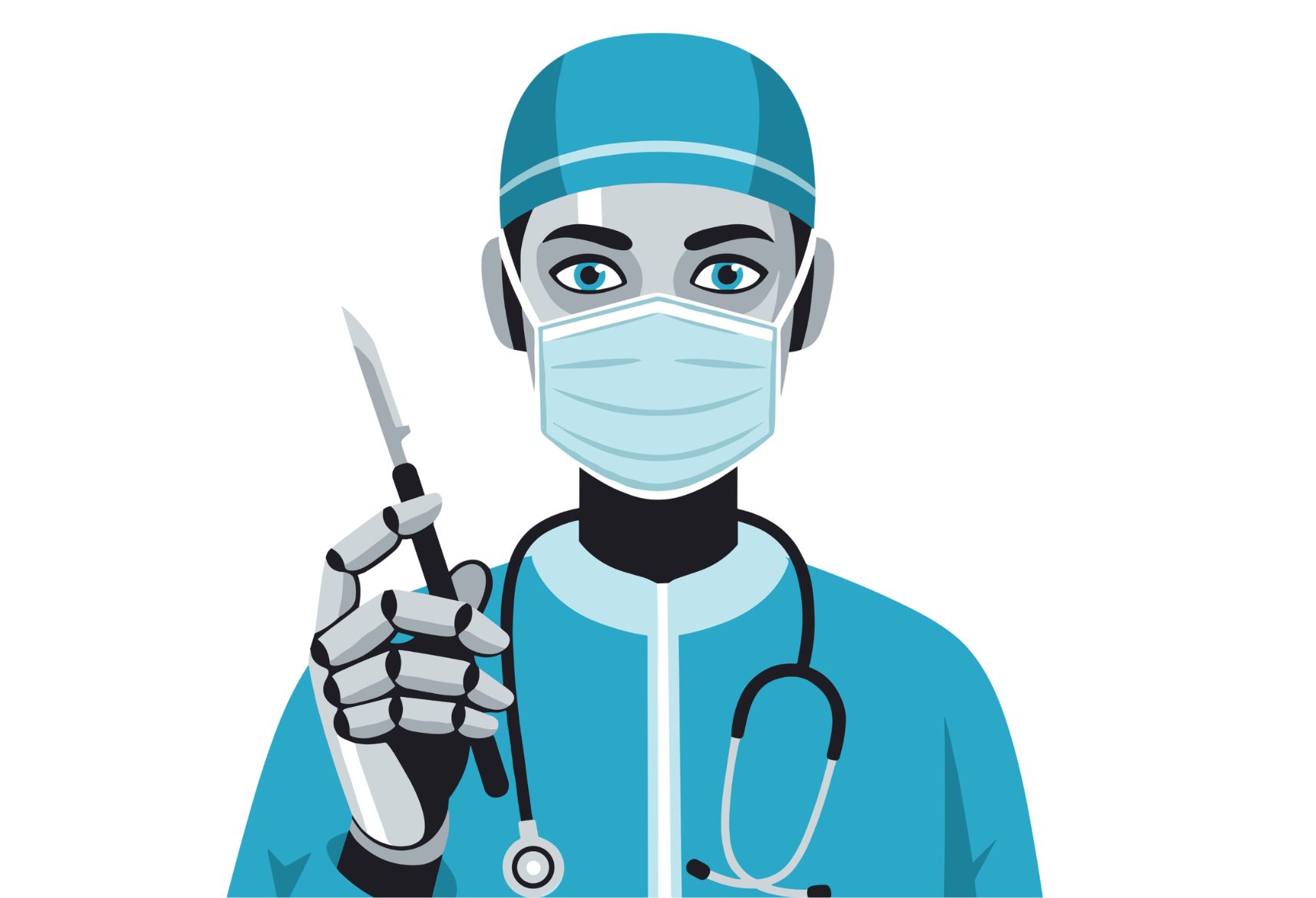
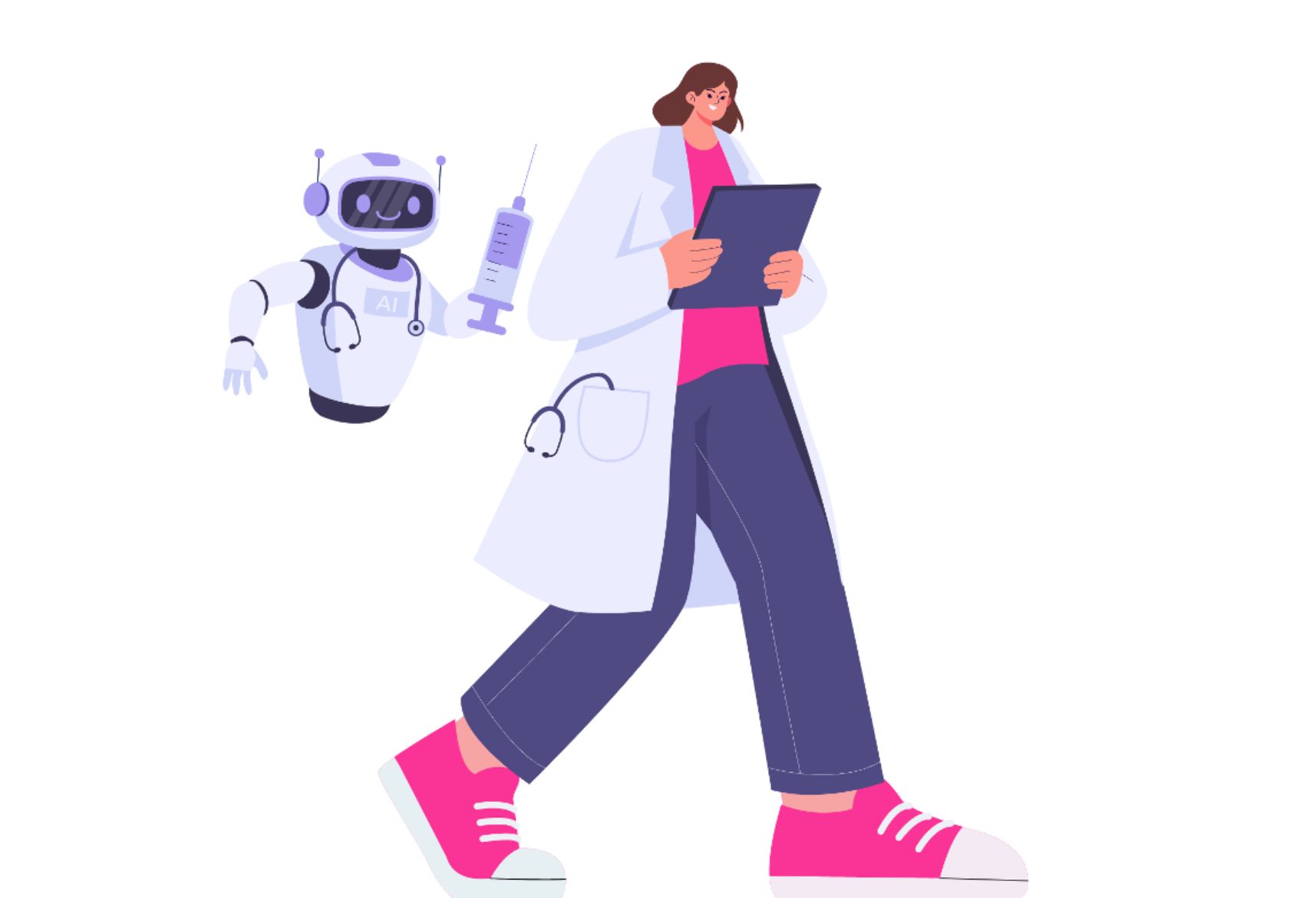
AI is a new highlight of healthcare technology. AI systems accelerate rapid, precise clinical decision-making through the analysis of countless amounts of data.
AI can be employed for:
- Forecasting the development of a disease and the potential for a patient to develop a disease
- Analyzing clinical images
- Improving clinical workflows
- Assisting in drug development
- Optimizing personalized medicine
AI is helping clinicians and is easing and eliminating errors in diagnosis.
The Future of Healthcare is Smart Hospitals
The evolution of healthcare is the development of smart hospitals, which are fully integrated and interconnected technologically advanced systems that, enhance productivity and safety within the hospital and for the patient.
Some attributes of the smart hospital are:
- IoT smart systems
- Automated patient management
- Smart ICU’s
- Digital monitoring dashboards
- Touchless healthcare
Smart hospitals enhance the experience of patients within the hospital through the integrated interconnected systems.
Advanced Healthcare: Earlier Detection for Better Outcomes
Detecting a disease sooner is the best means of improving a patient’s outcome and upholding the aims of healthcare. The evolution of healthcare diagnostics is a means to the faster detection of a disease.
Some of the innovations in diagnostics are:
- Molecular diagnostics
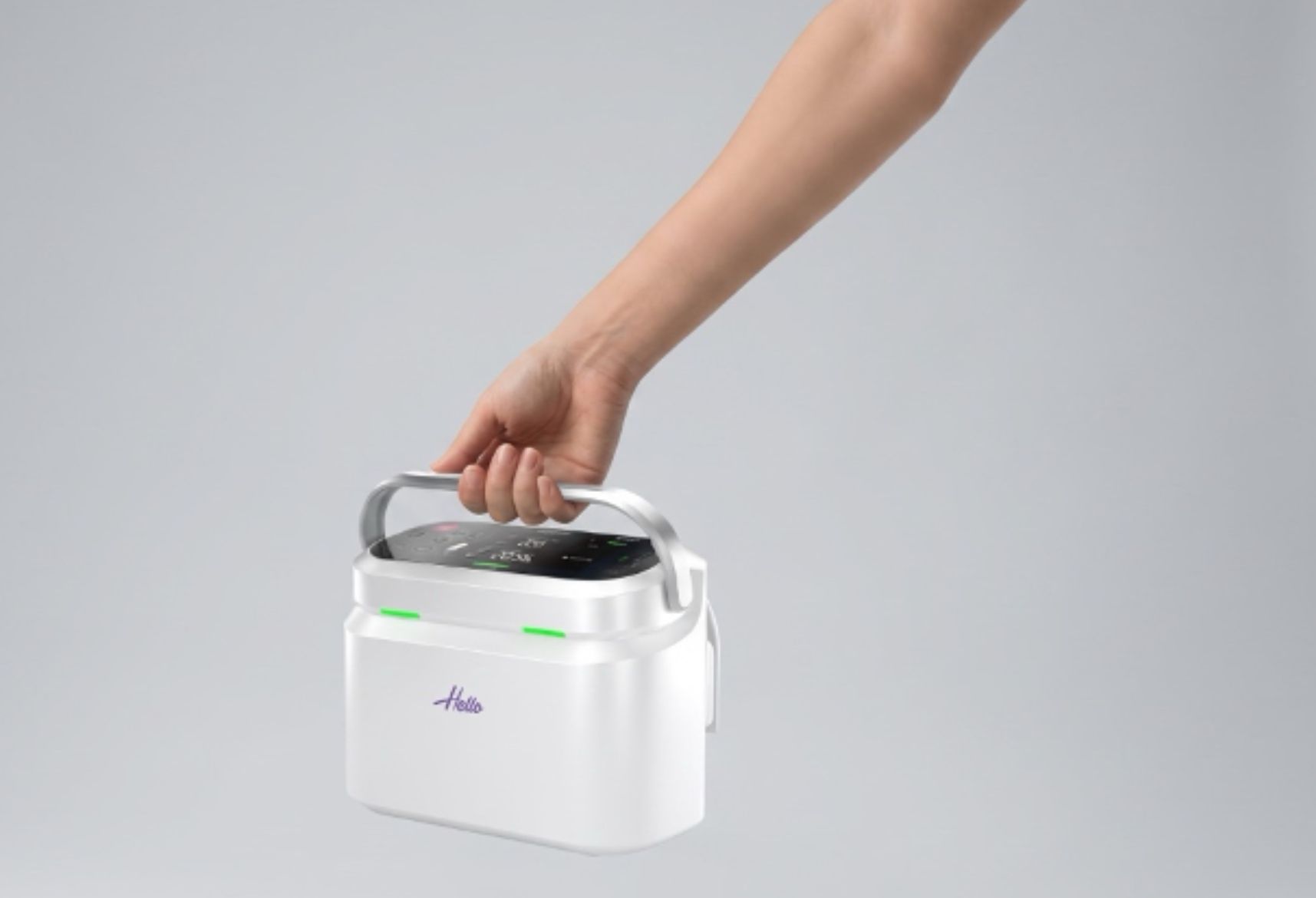
- Portable diagnostic systems
- AI diagnostics imaging
- Genomic diagnostics
- Digital pathology
These diagnostic innovations will enable clinicians to intervene sooner with targeted treatment.
Precision Medicine: Individualized Healthcare
The most recent evolution of medicine is the shift from the traditional one-size-fits-all medicine towards Precision Medicine which aims to individualize treatment to the specific biology of the patient.
Positive effects include the following:
- More effective treatments
- Revolutionized precision medicine
- Less side effects
- Better management of disease
- Better satisfaction of patients
- Better preventive medicine
Healthcare is changing in ways that precision medicine is leading.
Automation of Health Services
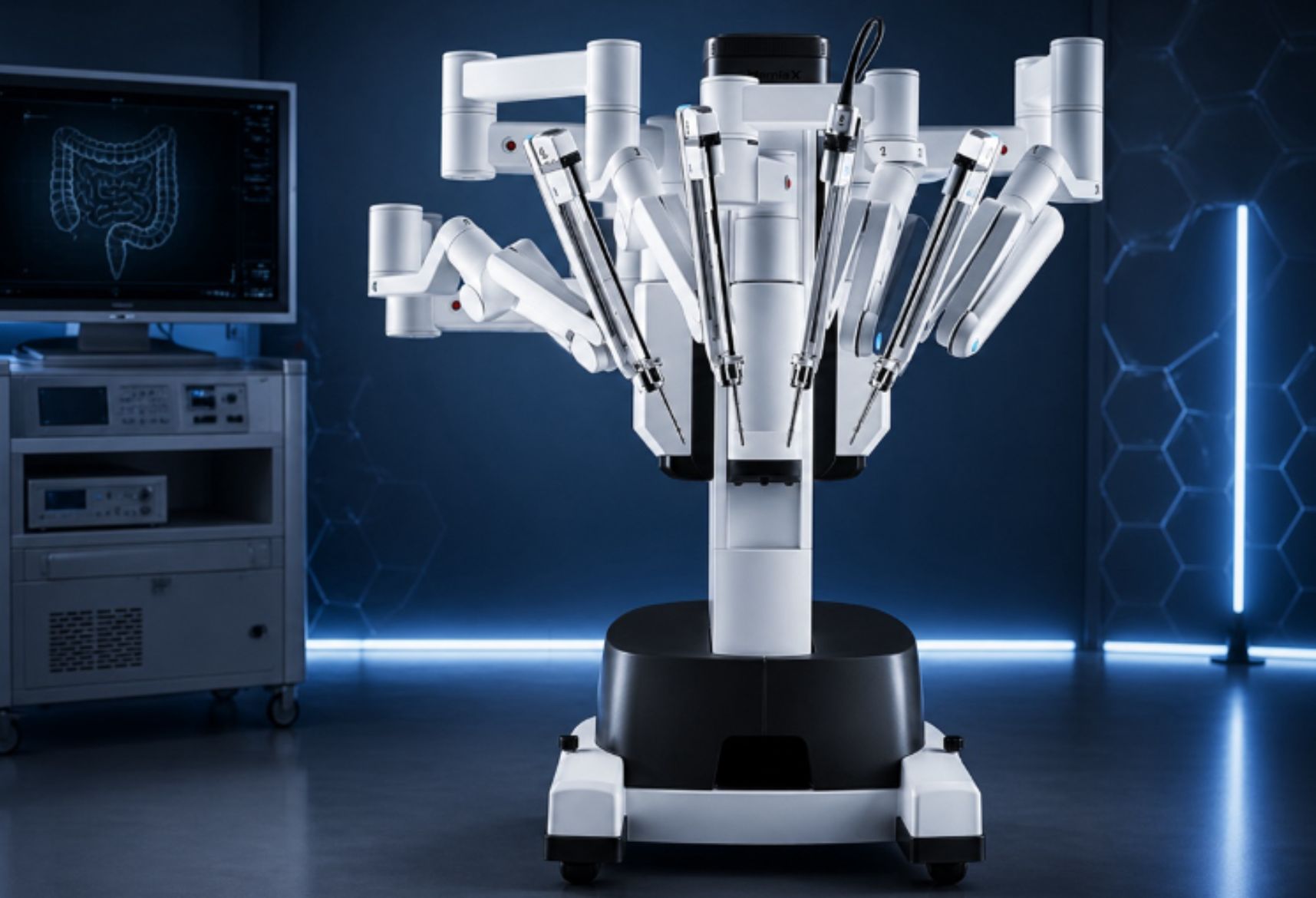
Automation is changing clinical and operational health services.
Automation is used in:
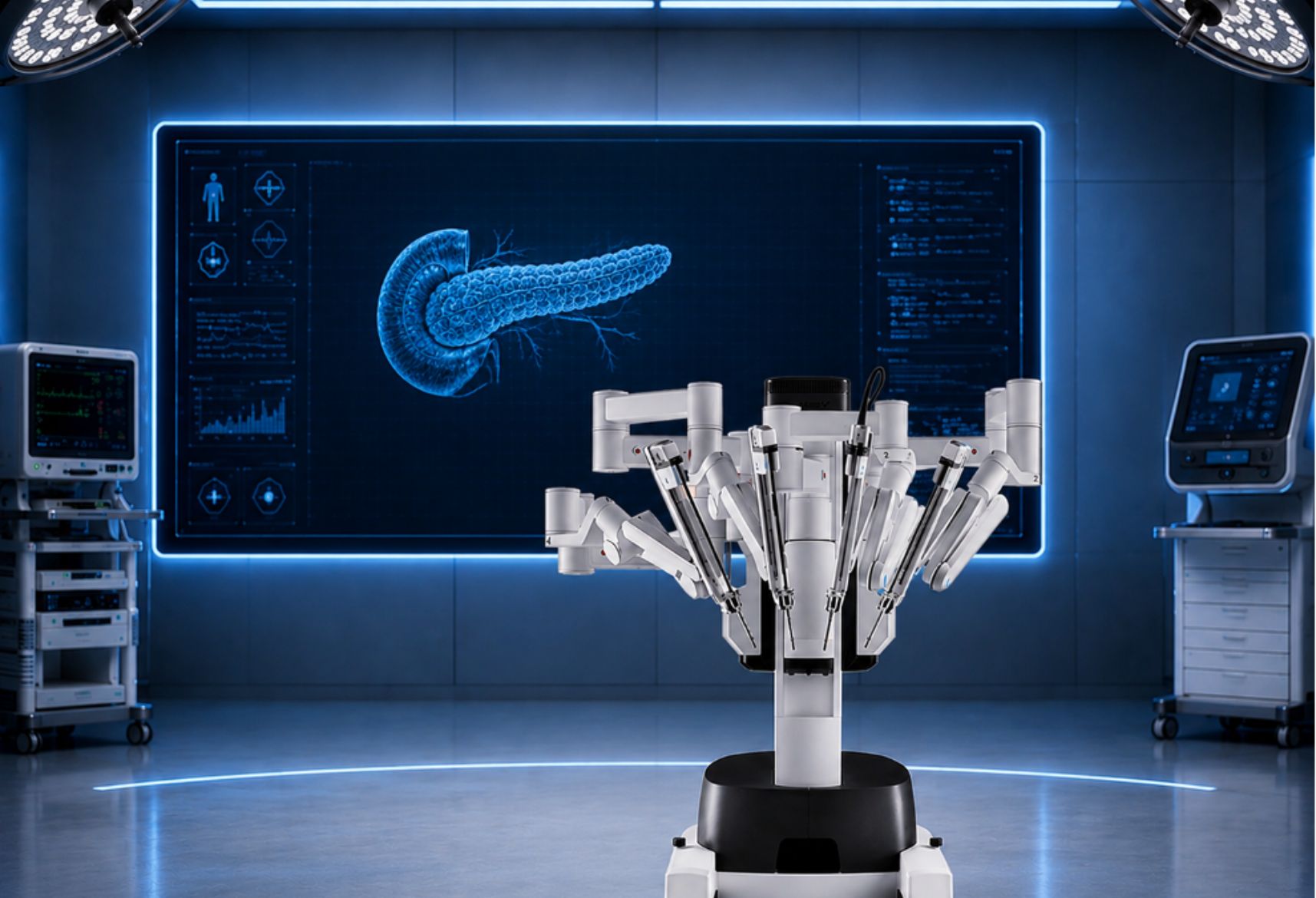
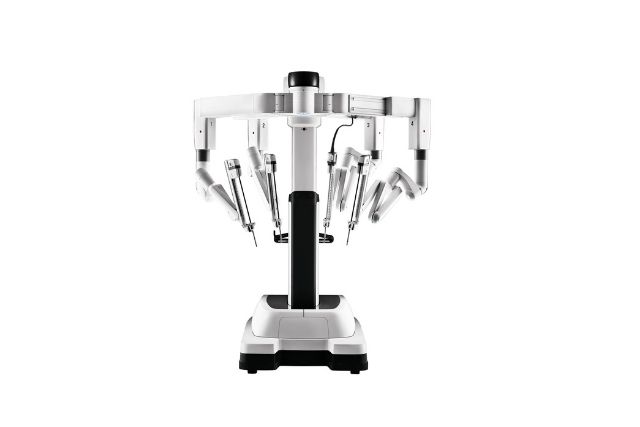
- Surgery
- Automated laboratories
- Automated delivery of medicine
- Automated logistic services in the hospital
- Automated rehabilitation services
Automation of health services leads to better accuracy, efficiency, and safety of patients.
Active Healthcare
Data is the driving force of many of the modern health care systems.
Healthcare data services help mainly by:
- Proactive Management of diseases
- Management of the health of populations
- Better planning of health care services
- Better safety of patients
- Better health care services
Analytics of data encourages health care systems to take a proactive approach to health care.
An Innovated And Resilient Health Care System. Health services now foster innovation and sustainability.
Priorities of health services are:
- Hospitals with infrastructure to sustain energy
- Green health services
- Health services that use less paper
- Health services with sustainable health care equipment
- Health services with sustainable and ecofriendly purchasing
A resilient health care system has long term benefits for patients and the community.
Final Thoughts
Healthcare is focused on creating connected and personalized health services. Technology is changing every aspect of a patients care.
Health services that focus on the patient and the use of technology will be the leaders in health care. Transforming every patient experience is not a goal—it is the modern healthcare standard. The future of healthcare is smart, fast, and accessible while being fully dedicated to the people it serves.