


Hernia repair has seen a remarkable evolution, moving from open procedures to laparoscopic techniques, and now to robotic-assisted surgery. This advancement represents a significant step forward in minimally invasive care.
A New Era In Hernia Care
At Kauvery Hospital, Alwarpet, Chennai, robotic hernia surgery combines surgical expertise with advanced technology to deliver greater precision, reduced pain, and faster recovery.
Understanding Hernia
A hernia occurs when an internal organ or tissue pushes through a weakened area in the muscle or connective tissue. Common types include inguinal, umbilical, incisional, and hiatal hernias. While some may begin as small and painless, hernias can gradually enlarge and lead to complications if left untreated. Early evaluation and timely intervention are important to prevent progression.
What Is Robotic Hernia Surgery?
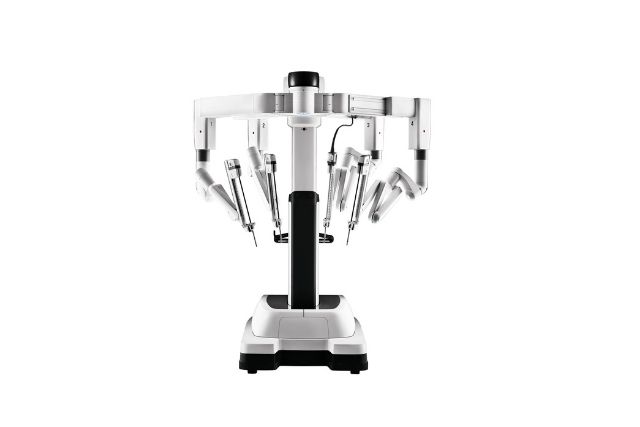
Robotic hernia surgery is a minimally invasive procedure where the surgeon uses a robotic platform to perform the operation with enhanced control.
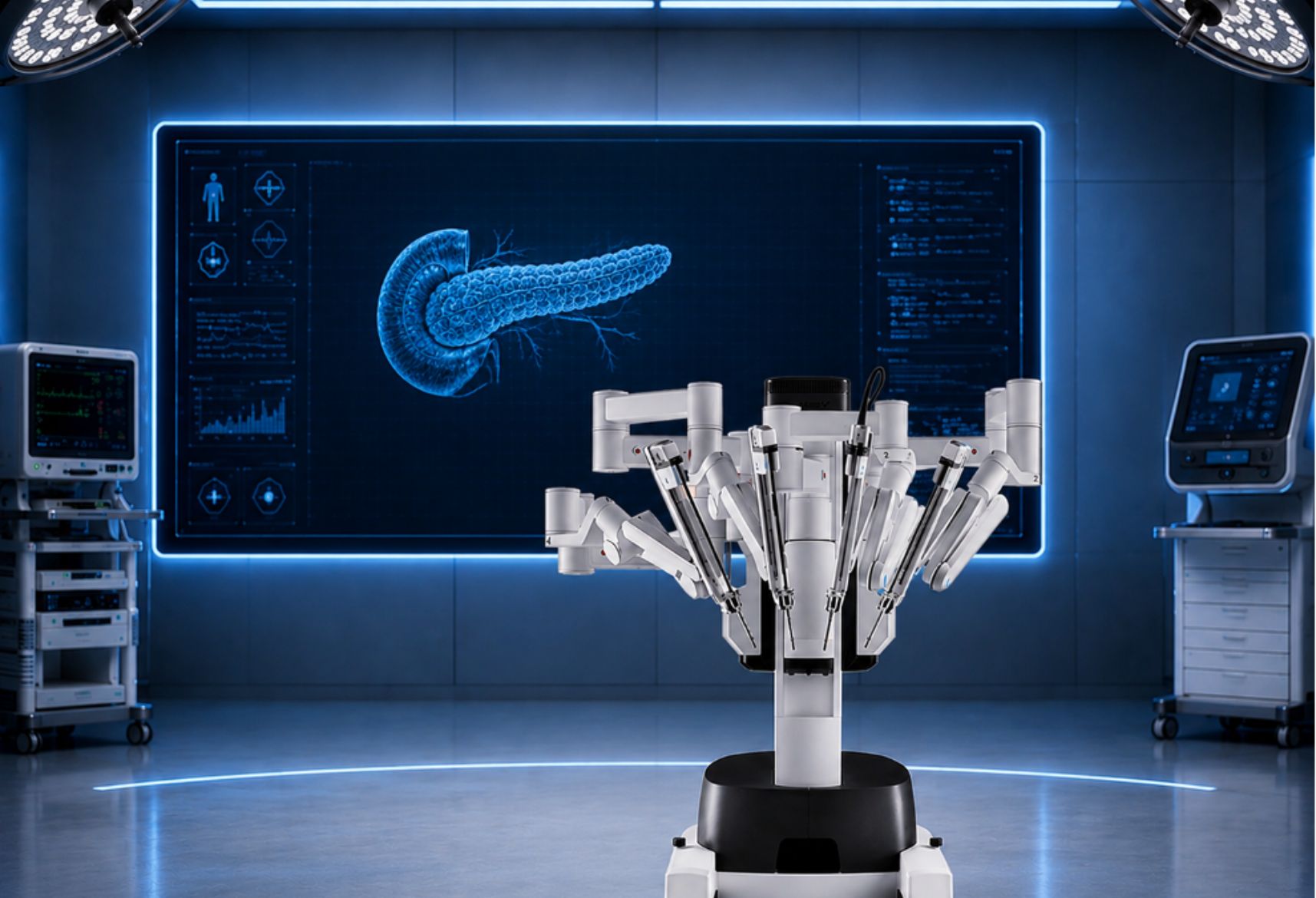
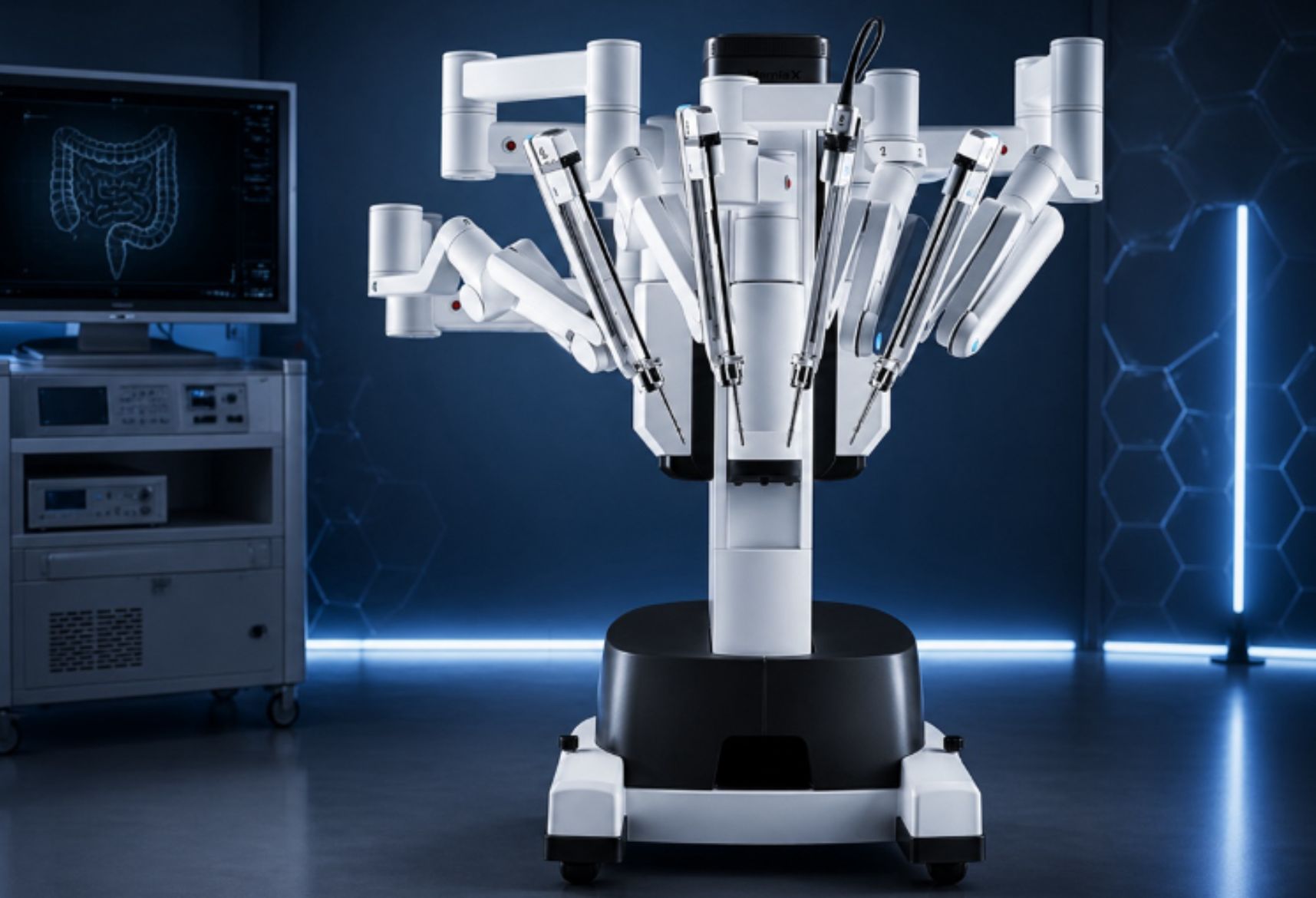
The surgery is carried out through small incisions, with robotic arms translating the surgeon’s hand movements into highly precise actions. A high-definition, three-dimensional view of the surgical field allows better visualization of tissues, nerves, and blood vessels, enabling meticulous repair and accurate mesh placement.
Why Robotic Surgery Matters
One of the key advantages of robotic surgery is precision. The system filters natural hand tremors and allows refined movements, which is especially important in delicate tissue handling. Smaller incisions result in less trauma to the body, leading to reduced post-operative pain and minimal scarring. Patients often experience quicker recovery and can return to normal activities sooner compared to traditional open surgery. Additionally, the risk of complications such as infections is lower, particularly in complex or recurrent hernia cases.
The Technology Behind The Procedure
The technology behind robotic surgery includes a surgeon console, robotic arms, and specialised instruments. The surgeon operates from a console that provides a magnified 3D view, while robotic arms equipped with advanced instruments replicate wrist-like movements with a greater range. These instruments enable precise dissection, suturing, and mesh placement even in confined spaces.
Advancements Improving Surgical Outcomes
Modern robotic systems incorporate several advancements that further improve surgical outcomes. Motion scaling converts larger hand movements into fine, controlled actions, while tremor filtration ensures stability. Enhanced dexterity allows surgeons to work efficiently in difficult anatomical areas. The ergonomic design also reduces surgeon fatigue, supporting consistency during longer procedures.
The Growing Role Of Artificial Intelligence
Artificial Intelligence is gradually enhancing robotic surgery by introducing data-driven insights and improving surgical planning. However, the procedure remains entirely surgeon-controlled, with technology serving as a powerful support system.
The integration of clinical expertise and advanced technology leads to greater accuracy, fewer complications, and improved recovery outcomes.
The Future Of Hernia Surgery
Looking ahead, the future of hernia surgery is becoming more precise, minimally invasive, and patient-centric. With continuous advancements in robotics and AI, surgical care is moving towards more predictable outcomes and better overall patient experience.
In Essence
Robotic hernia surgery reflects the seamless integration of human expertise and technology, offering a safer, more effective approach to modern surgical care.
About Author:
Dr. Joyner Abraham M is a highly qualified Consultant in Minimal Access Surgery at Kauvery Hospital Chennai. He holds an MBBS, MS in General Surgery, DNB in General Surgery, and an MCh in Minimal Access Surgery, along with the prestigious MRCS (England).
With advanced training in minimally invasive, robotic and laparoscopic procedures, Dr. Joyner specializes in General Surgery, delivering precision-driven surgical care with a strong focus on faster recovery and improved patient outcomes.