


In specific industries like medical devices, pharmaceuticals, and food processing, tubing is crucial to ensuring safety, precision, and reliability in a process. Gradually, minor design changes in tubing have minimized user error to improve function.
One advancement in this arena is the bi-colour silicone tube.
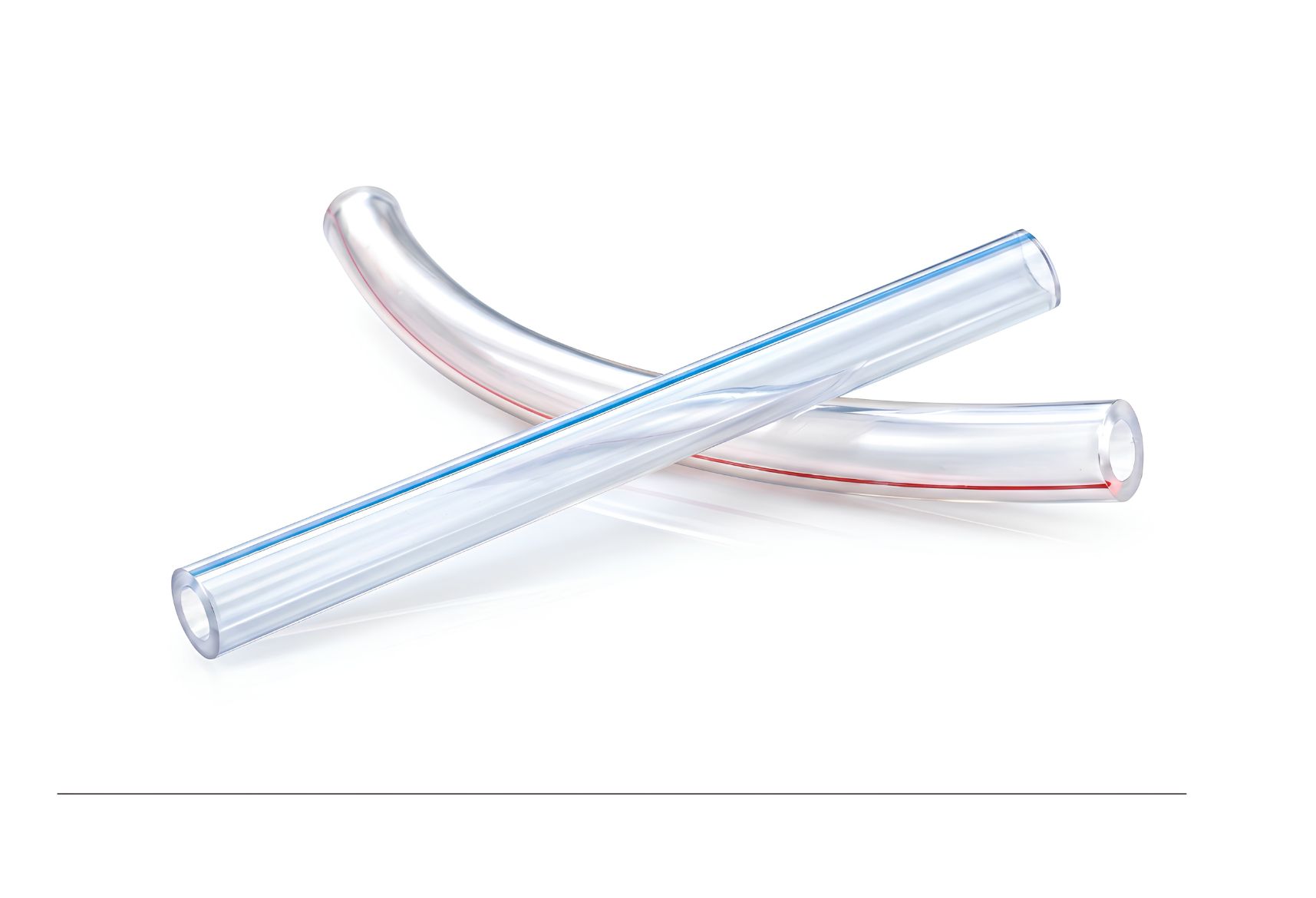
A bi-colour silicone tube uses a design in which a single tube wall is made using a controlled co-extrusion process to layer silicone in separate colours. This can easily be dismissed as a simple change in aesthetics, but it resolves many issues technicians, clinicians, and operators encounter on the job.
Design Configurations Based on Application Needs
The bi-colour tube is highly configurable. Some examples of what can be engineered include:
- Transparent tubing with a continuous coloured stripe for line identification
- Dual-layer tubing, where the tubing can have different coloured inners and outers
- Custom colour bands or markings for depth indication or batch differentiation
The selection of configurations depends on the field of use and the visual control that is needed during the process.
Material and Compliance Considerations
In critical areas, bi-colour silicone tubes are made with medical-grade silicone elastomers and are compliant to the requirements of USP Class VI and ISO 10993. In the area of sterilization, the material should withstand the E-beam sterilization or autoclaving, while maintaining its mechanical integrity and color stability.
Maintaining uniformity in both color distribution and material characteristics becomes imperative in scenarios where traceability and validation are mandated.
What Makes Bi-Colour Tubes Preferable
The benefits of bi-colour tubing from a manufacturing and practical perspective are as follows:
Fast Visual Identification in Complex Systems
Multiple tubing lines running in parallel can be managed more easily with a colour stripe or a dual-tone structure. This reduces reliance on labels and minimizes the risk of cross-connection.
Better Flow Observation
A contrast layer makes fluid movement more visible and helps in the identification of air bubbles, backflows, or blockages. This is of particular importance for feeding systems or fluid transfer systems in laboratories.
Directional Guides for Insertion and handling
In some medical applications, a colored line indicates the maximum depth and the correct vertical orientation for tube insertion. This provides the user with a deeper understanding and better control over the procedure.
Better Control of Processes
In the industrial, and especially the pharmaceutical, sectors, the risk of contamination of a product is greatly reduced when different lines, cleaning cycles, or batches of products are coded by color, which also improves control over the processes.
Customization with Zero Performance Trade-offs
Bi-colour designs also offer customers the ability to specify and include personalized alterations, such as branding or product identification to meet regulatory requirements, all without impacting the performance of the underlying material.
Production Control: Where Precision is Key
Manufacturing bi-colour silicone tubing demands greater process control than regular extrusion.
Key factors include:
- Bonding consistency for the two silicone streams during co-extrusion
- Aligning and visibility of stripes through the length of the tube
- Evaluating internal and external dimensions and tolerances
- Confirming that the color pigments have no negative impact on biocompatibility nor the mechanical properties.
Failure to comply to parameters affects the look and loses functional reliability especially in medical applications.
Application Areas
Based on industry practices, two color silicone tubes are generally used for:
- Feeding and drainage systems in the enteral organs
- Fluid transport systems in laboratories
- Processing lines in pharmaceuticals
- Transportation of food and beverages
These applications utilize the ability to see, control, and manage the flow of fluids that improves their systems.
Conclusion
Bi-colour silicone tubing is a highly practical advancement in tubing design that enhances operational safety and productivity.
The user designs these advancements based on easily identified and controlled flow.
These features are increasingly becoming standard for tubing and are less perceived as optional.
Authored By: Divya Joshi
Executive Domestic Marketing
Mail Id: [email protected]