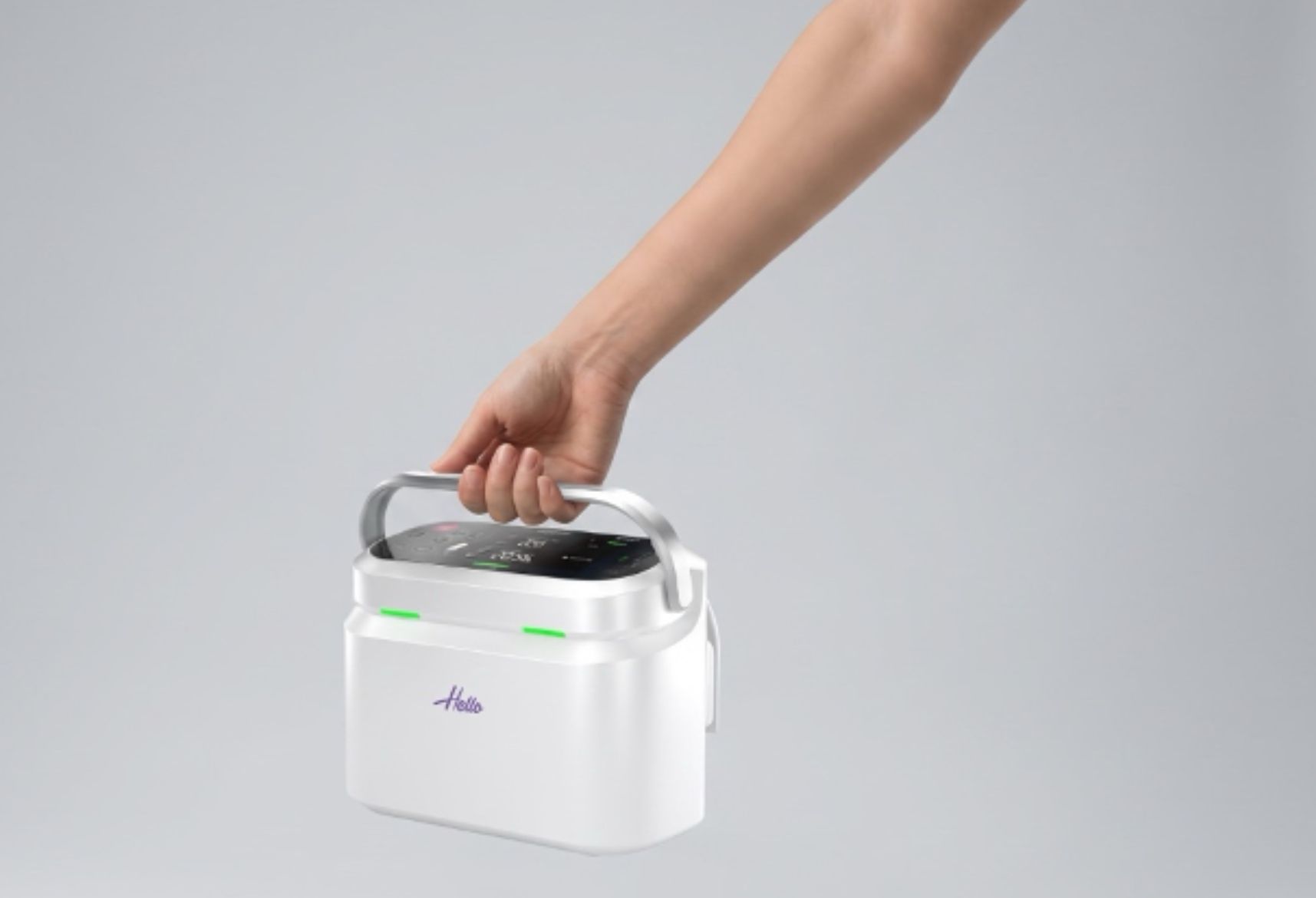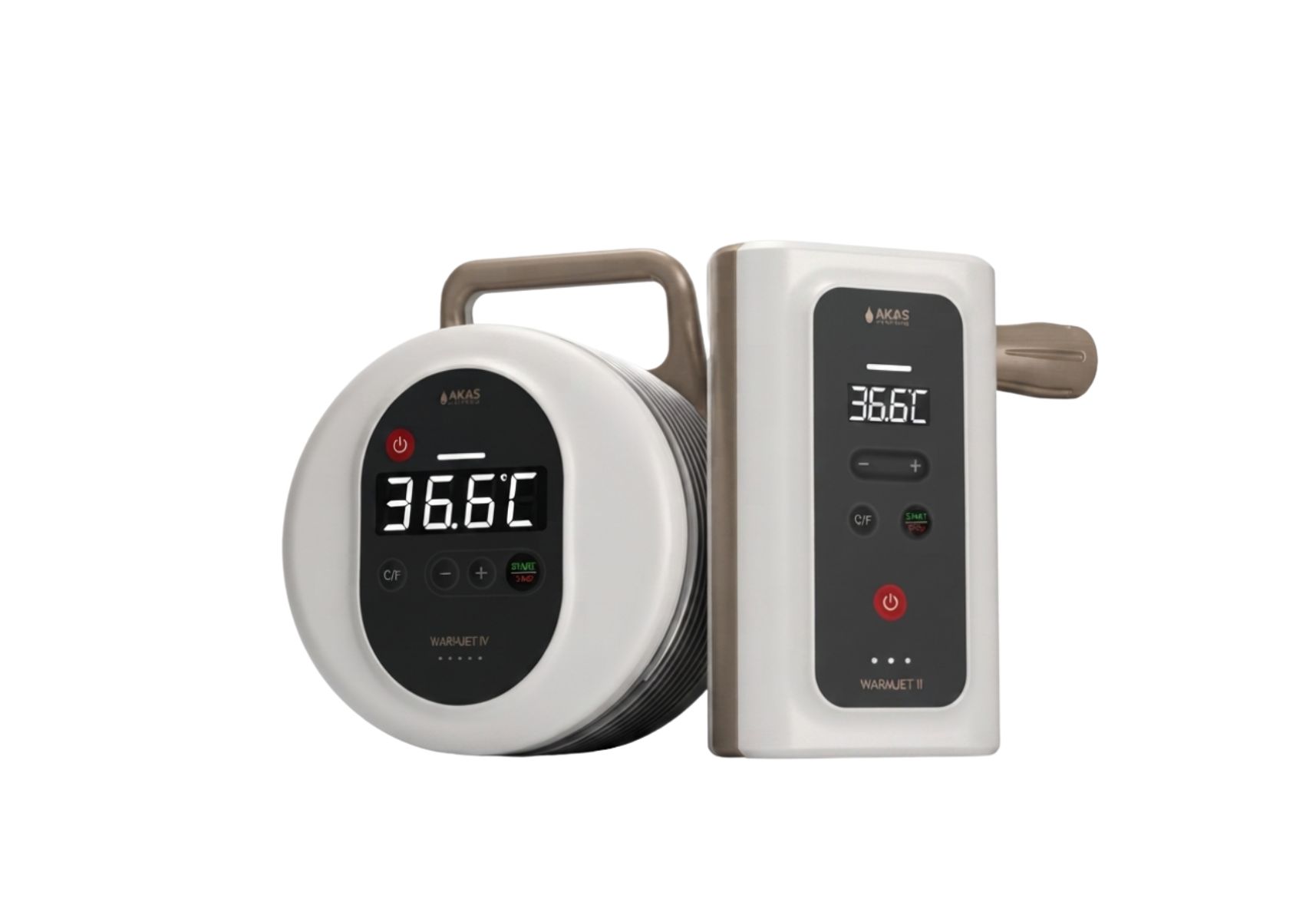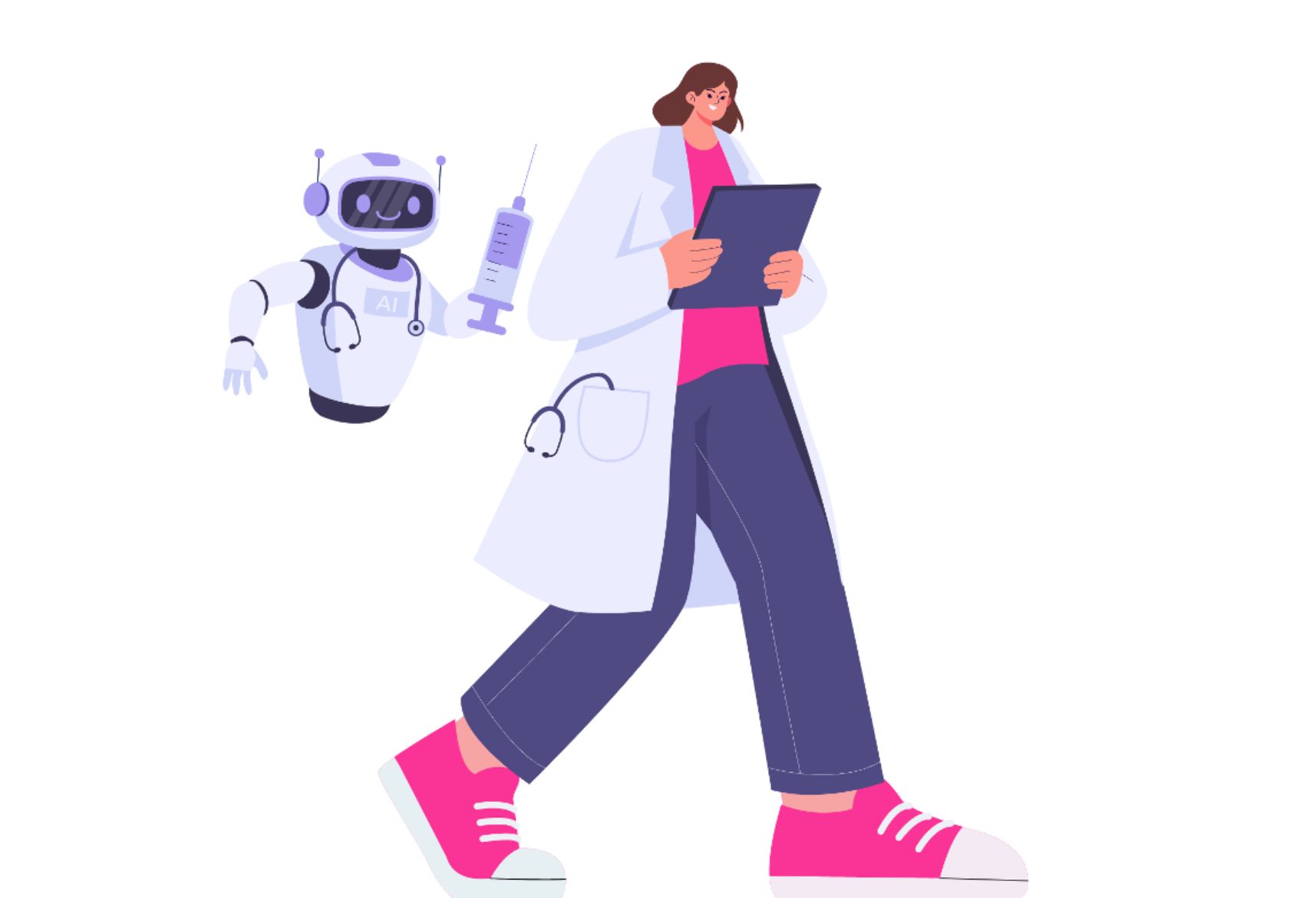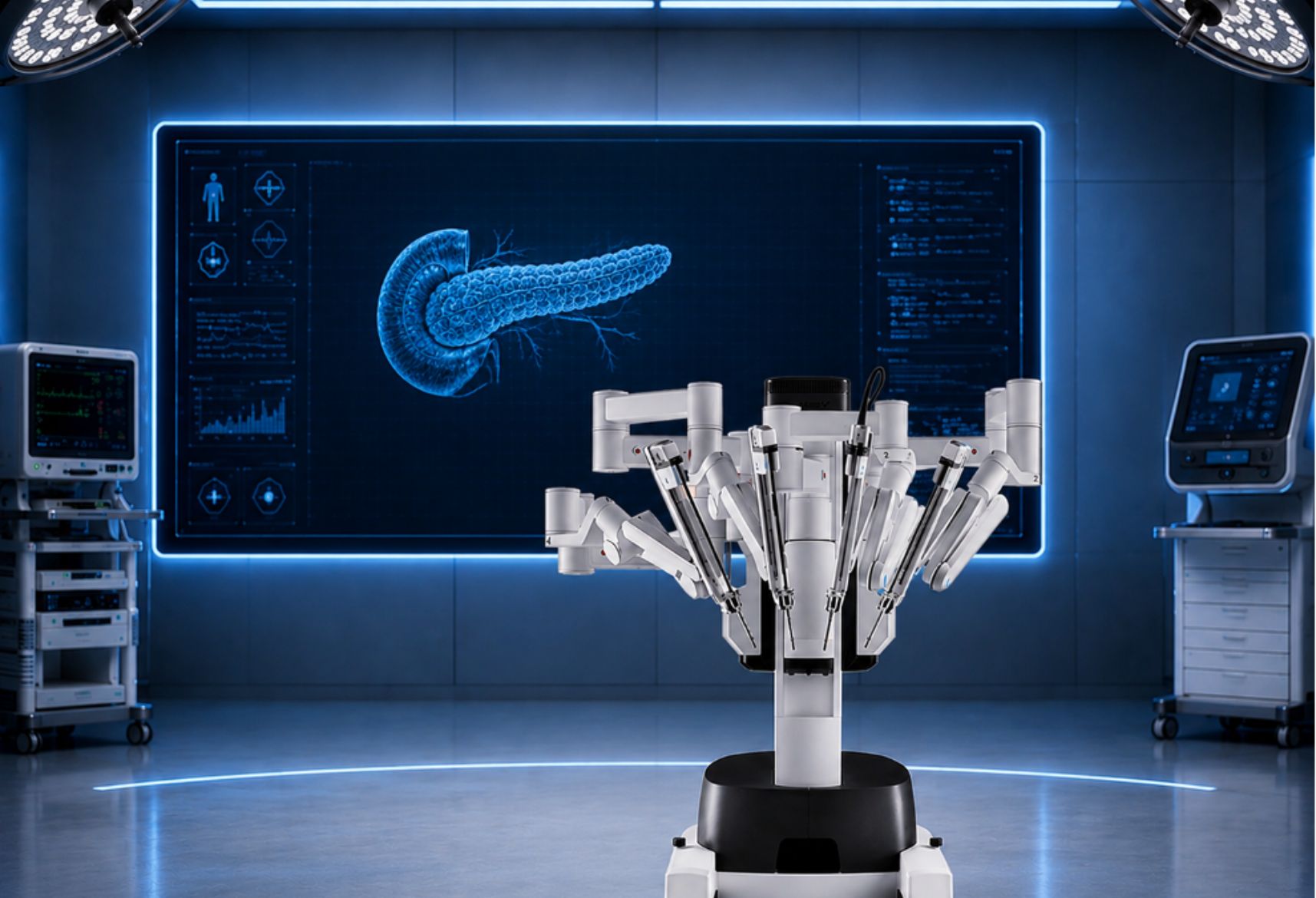



Healthcare is about to enter a new age. Diagnostic and treatment methods are using automation and connectivity, precision technology, and artificial intelligence. Smart ICUs and robotic surgeons are about to change the way patients are monitored and even the very nature of a hospital.
There are also changes to the infrastructure of hospitals. Ready and waiting technology is transforming major institutions into digital ecosystems.
With an increasing patient load and rising costs, hospitals are about to use innovation for faster, more effective operations.
The Rise of Smart Hospitals
The time when hospitals use big data and cloud technology to improve efficiency and care is upon us. Further, smart hospitals are about to be the new norm.
The hospitals of today make use of:
- Automated and smart systems for patient monitoring.
- Automated systems for dispensing medications.
- AI-enabled imaging systems.
- Integrated Electronic Health Record systems.
- Remote system management for Intensive Care Units.
- Predictive maintenance systems for medical equipment.
- Touchless systems for patient engagement.
There is evidence to support that the use of these systems improves care and treatment times while also reducing the chance of human error.
The critical need for rapid and effective systems for smart healthcare is most evident in the Emergency and Intensive Care Units, Operating Suites, and Instant Diagnostic laboratories.
Transforming Diagnostics with Artificial Intelligence
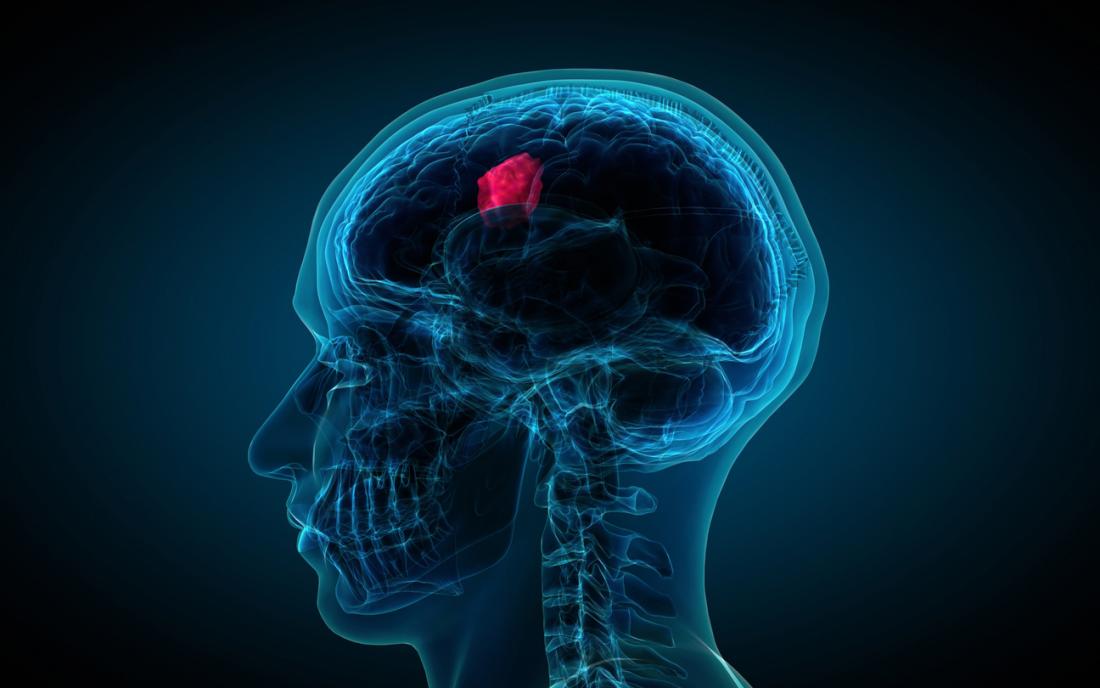
Diagnostics and clinical decision-making have been profoundly affected by the development of Artificial Intelligence (AI). AI can process and analyze vast amounts of medical data within seconds, allowing doctors to detect and diagnose conditions with greater speed and accuracy, and detect conditions that are difficult to identify.
Remarkable impacts have been made by AI technologies in:
- Radiology imaging analysis
- Pathology diagnostics
- Oncology screening
- Cardiac risk prediction
- Laboratory data interpretation
- Early sepsis detection
- Clinical workflow optimization
AI tools have been adopted to assist radiologists in identifying abnormal findings on CT, MRI and X-ray images with high accuracy. In pathology laboratories, the use of AI paired with digital pathology is assisting with analyses of pathology slides and is resulting in greater diagnostic consistency. Predictive diagnostics is a newer developing area that aids in the early identification of patients who are at risk of clinical deterioration.
Transforming Critical Care with Modern Day Technology
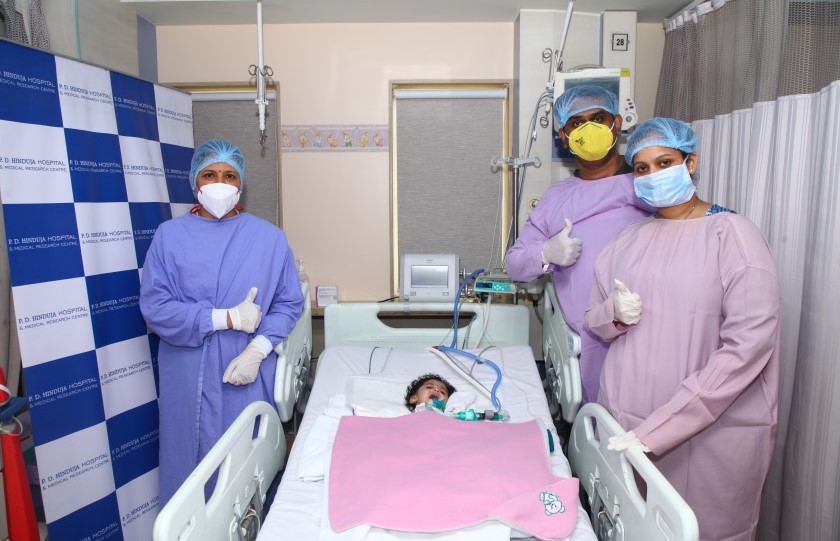
The world of critical care is advancing at an unparalleled rate, and the technologies that are available in today’s ICUs as compared to 25 years ago are revolutionary. Today’s ICUs provide clinicians with the capability to offer anticipatory and customized care to patients.
Advancements have also been made to ICU technology that include:
- Centralized monitoring systems for patient data
- A mesh network of AI-controlled ventilators
- Centralized wireless systems for monitoring patient data
- Smart infusion systems
- Real-time clinical alert systems
- Tele-ICU technology
- Predictive analytics for patient deterioration
The development of remote ICU monitoring technology has shifted the concept of ICU care significantly. Specialists who are located in remote areas of the world can now provide care to critically ill patients who are located in various remote areas of the world from a centralized command center.
Digital advances lead to better patient outcomes, reduced burden on ICUs, better staff/ICU/ward operation balancing, and better response time.
Enhancements of Patient Care by Robotics and Automation
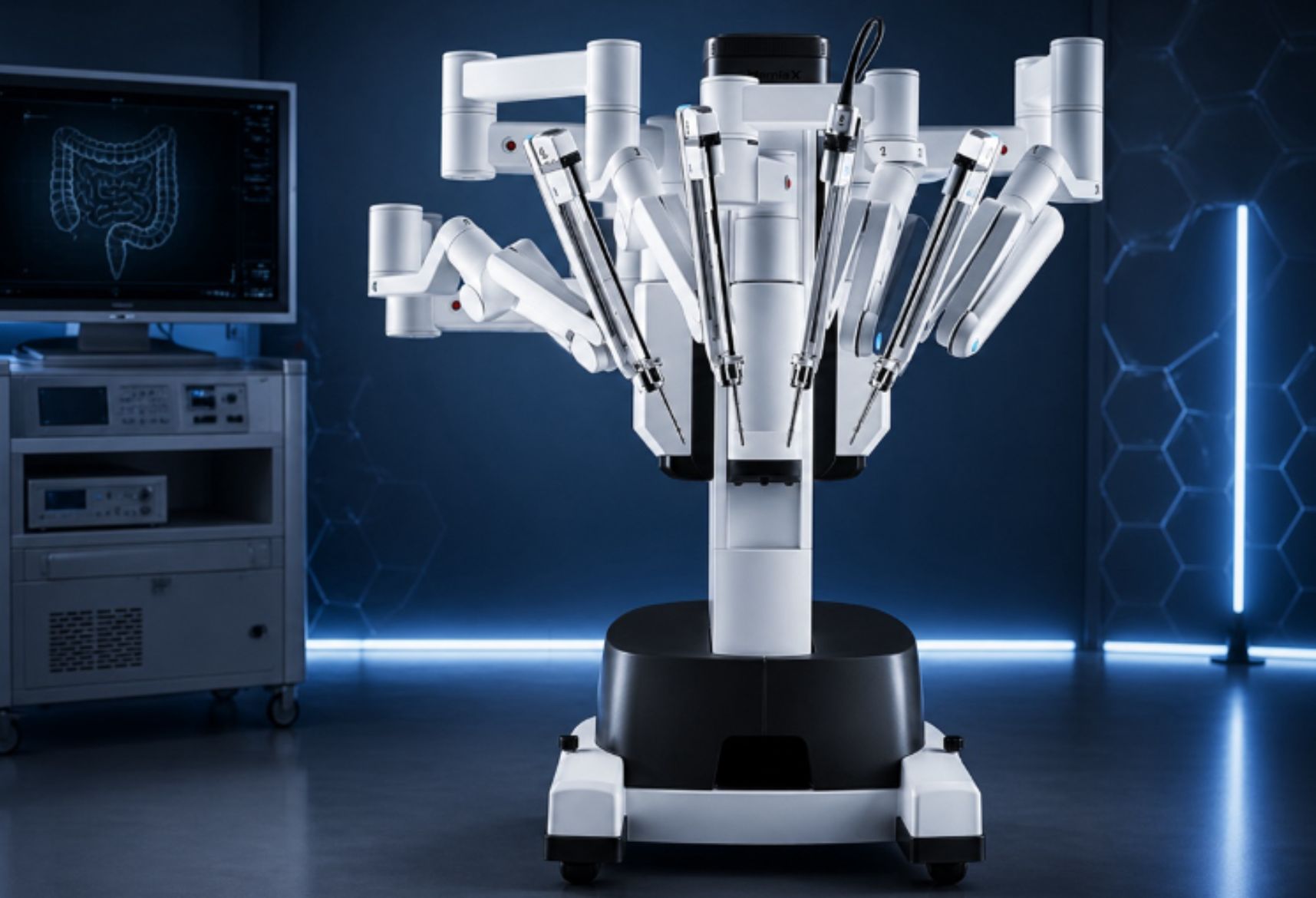
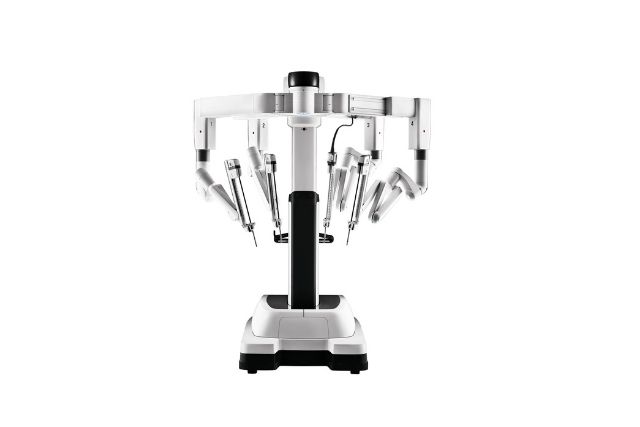
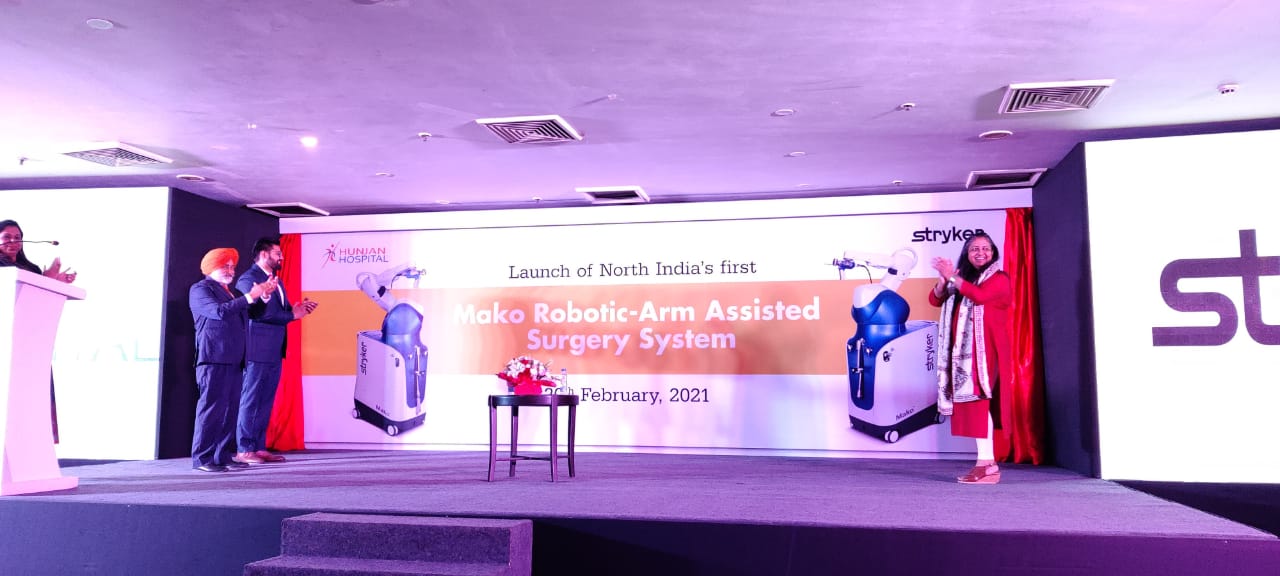
More robotic systems are being introduced to surgery, rehabilitation, diagnostics, and operation of hospitals. Robotic-assisted surgery has the advantages of higher accuracy due to better smaller incisions and less post-surgery recovery.
Automation is used to increase the speed of operation of a hospital in:
- handling of lab samples
- operating the pharmacy
- sterilization
- transport of the patient
- management of inventory
- disinfection and sanitation
The Robotics of Healthcare
Robotic automation in laboratories is helping reduce the time taken to perform a test. Both automated analyzers and robotic sample processing systems enable a laboratory to take on a larger workload. Healthcare Robotics is also set to increase with the introduction of collaborative robots and systems guided by AI to perform surgery and the total automation of hospitals.
An Increasing Role of Telemedicine and Remote Care
The process of healing is no longer restricted within the hospital walls. Telemedicine and healthcare technology system integration provide a new model of care that is connected to the patient and is beyond the traditional clinical.
Virtual care systems offer:
- Specialist consults and visits
- Remote monitoring and management of patients
- Management of chronic diseases
- Rehab from home
- Prescriptions
- Fallout follow up of surgery
There is a shift towards decentralized healthcare. Distance-based systems of healthcare provide the care to the patients who need it, and decrease the time patients need to spend in hospital.
Personalized Medicine and Targeted Treatments
Recent innovations have shifted the health industry toward targeted and personalized approaches to medicine. Improvements in molecular diagnostics and genomics are paving the way for biomarkers and customized therapies in medicine.
Areas of medicine that are greatly benefiting from these innovations are:
- Oncology
- Rare and rare disease therapy
- Immunotherapy
- Disorder management
- Development of personalized pharmacotherapy
Therapeutic interventions aim to minimize adverse effects and reduce unnecessary burdens on the health system, especially when there is an understanding of the disease and variation in genetics.
With the use of genomics, artificial intelligence in data analytics will transform the healthcare industry by providing the system with personalization features within a short period of time.
Data Security and Protection in Healthcare
With the digitization of healthcare systems, diagnostic and medical facilities are prioritizing theatre cybersecurity. When digitized, patient records, imaging systems, medical devices, and healthcare systems that operate in the cloud, will be exposed to risks.
Increasingly, healthcare companies are investing in
- Secure cloud infrastructure
- Encrypted patient data systems
- Multi-factor authentication
- Network monitoring solutions
- AI-powered cybersecurity tools.
Data privacy and integration of cloud systems will be important as the accessibility of digital healthcare services increases.
Affordable and Green Medical Facilities
The hospitals of the future are also committed to sustainable and environmentally responsible health operations.
Sustainable hospitals are benefiting from:
- Energy-efficient systems
- Healthcare systems that incorporate intelligent HVAC systems
- Sustainability in the management of medical waste
- Designs that incorporate sustainable building
- Safe and sustainable technologies for water management
A sustainable health system reduces the burden to the environment while improving the operational value of the system and reducing the cost of healthcare in the long run.
The Path Ahead
Healing the future is where medicine, data, automation, and empathy drive innovation all meet. Things that once felt beyond the realm of possibility are now necessary for the delivery of modern healthcare.
As hospitals adopt AI, robotics, digitally enabled diagnostics, remote care, and precision medicine, the healthcare system becomes a more intelligent, rapid, and integrated system with an emphasis on better outcomes for patients and operational efficiencies.
The hospitals of the future will no longer be places focused solely on remediation of injury and illness, but rather areas that will anticipate illness, treat illness in a fully automated and seamless infrastructure, and provide care that enriches the experience and the healing process.
Innovation is no longer an option in this busy healthcare environment; it is a given. The diagnostic and critical care systems of the future will be built on this innovation.