


Healthcare is in the early stages of a shift where the focus is on early detection and diagnosis. The diagnostic industry will play a critical role in this evolution. Diagnostics connects the dots between the clinical suspicions of healthcare workers and the best way to care for the patient.
We are in the midst of a diagnostic revolution with a number of disruptive technologies that focus on improving health, reducing costs, and reducing the time from care to diagnosis.
Advancing Precision, Empowering Decisions,Transforming Lives
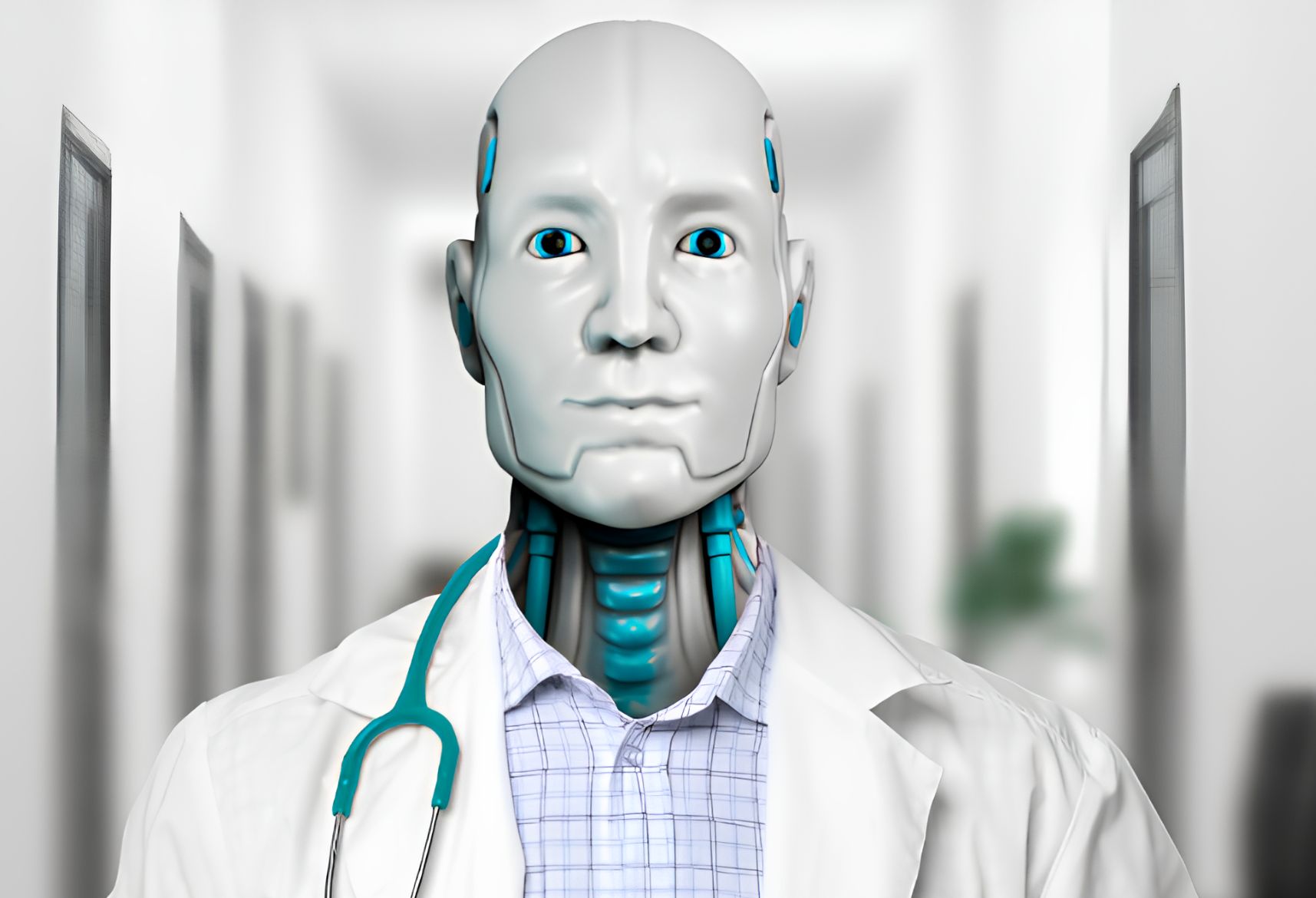
New innovations in laboratory and molecular diagnostics, next generation point of care testing, artificial intelligence, and other technologies are transforming the healthcare and diagnostic industry.
The goal of every diagnostic innovation should be improving patient outcomes by enabling the healthcare industry to detect, diagnose, and treat diseases in a more precise and timely manner.
The integration of various diagnostic disciplines and specializations (molecular, imaging, pathology and others) with a focus on improving health outcomes will continue to be a driver for the diagnostic revolution.
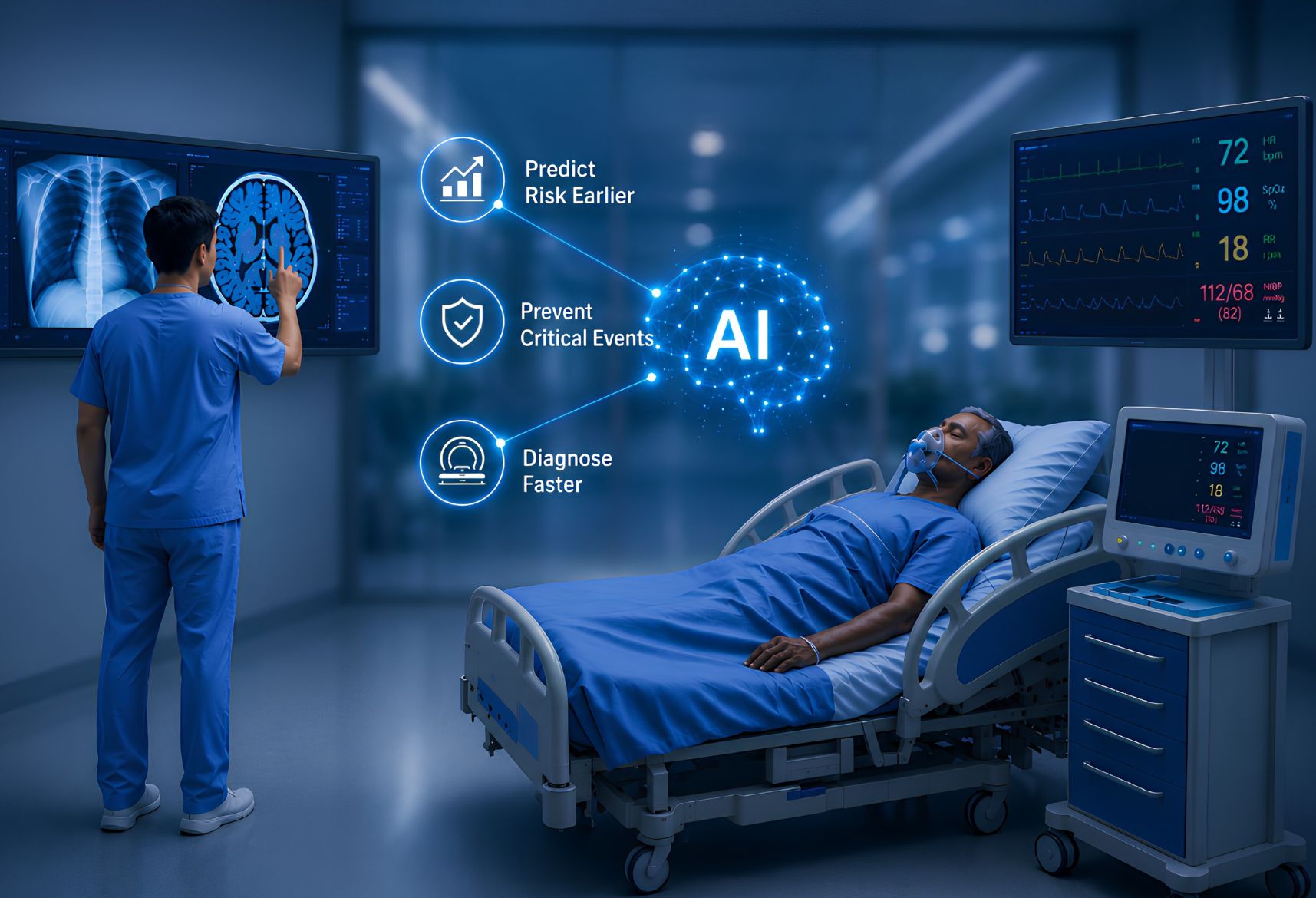
The future of diagnostics is exciting as continuous innovations in automation, digital pathology and artificial intelligence (collectively known as DILA, or Digital Integrated Laboratory Automation) along with other diagnostics focused innovations will change the landscape of healthcare.
In the meantime, diagnostics are bringing testing to the point of care, offering healthcare workers the information they need to make timely decisions at the bedside.
These innovations enable the development of diagnostic ecosystems that are quick, precise, accessible, and efficient.
Creating Advanced, Connected Laboratories
New equipment will not change diagnostics as significantly as the augmentation of workflows, QA, data management, personnel and integration. Given these challenges, laboratory automation and integration, as well as digital and wireless connectivity, are essential to improve the efficiency and integrity of diagnostic services.
New instruments must simplify the analytics of complex diagnostics, assure reproducibility, and improve compliance and data security. Innovation must align with trust, bringing value to the diagnostic ecosystem and aiding clinical decision-making.
What Lies Ahead
Achieving equitable access to affordable diagnostics, increasing the workforce and infrastructure to adequately perform diagnostics, and robustly clinically validating diagnostics remain ongoing challenges to innovation.
Finding the right balance of collaboration across diagnostic manufacturers and the aforementioned partners will help eliminate these gaps.
The diagnostics industry is forecasted to significantly transform through advancing technologies such as artificial intelligence (AI), the integration of digital health, and decentralized/point of care testing. These trends will facilitate the use of diagnostics in preventive and predictive healthcare.
The Future Begins With a Better Diagnosis
As healthcare shifts toward more proactive, preventative, personalized and patient centered models, diagnostics will be fundamental to achieving these goals.