


The modern healthcare industry has changed exponentially in the past few years, especially in how they utilize technology and how they focus on their customers. There is an enormous amount of data hospitals rely on. With the blending of intelligence, better systems, and focus on patient-design, the outcome of consumer healthcare is vastly superior. There is the expectation that new healthcare systems will evolve to treat patients in a more personalized manner, making improvements to an already technologically sophisticated system.
Optimizing Patient Care
In the past, healthcare expansion meant a growth in the number of beds that could be housed or a newly built facility. The future revolves around the optimization of patient care, a shift in focus from just facility expansion to a holistic approach of care.
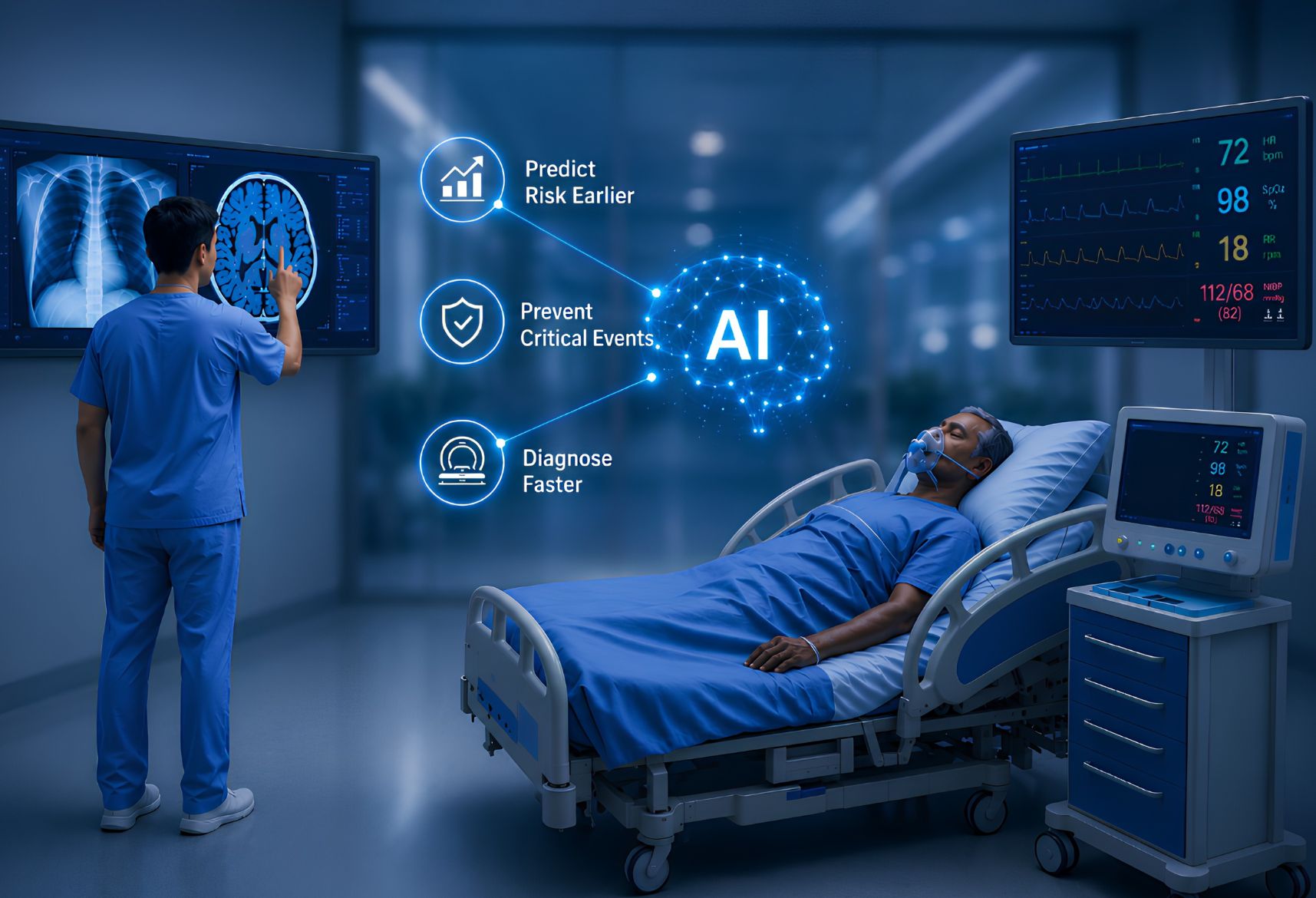
High tech healthcare systems utilize modern technology, including but not limited to, real-time data analysis, the Internet of Things, and Artificial Intelligence.
Intelligent technology has paved the way for the advancements in healthcare systems.
Better Systems, Better Outcomes
- The integration of systems within new healthcare facilities is meant to be seamless.
- Enhanced disease detection through AI
- Real-time patient monitoring and equipment tracking
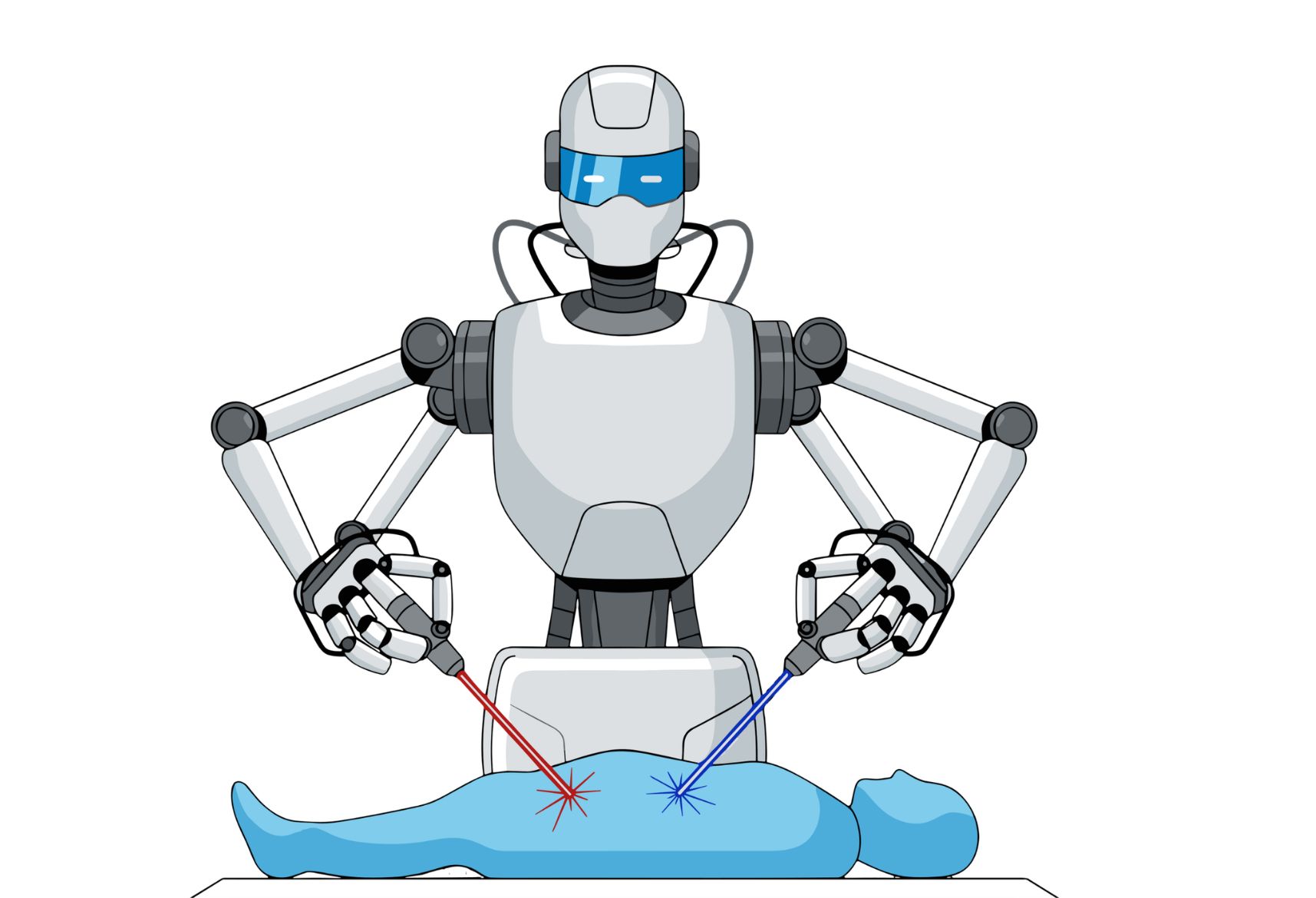
- Robotics to modernize surgery and logistics
- Digital Twin Technology to simulate and improve efficiency of healthcare systems
The better systems directly improve patient outcomes and health and reduce the time and costs of the healthcare system. Healthcare systems must now prioritize the patients and use technology to personalize their approach. The systems must include devices that improve communication and speed of response so that patient care is improved. Healthcare accessibility has been improved by receiving clinical expert guidance and services via telemedicine.
Healthcare Data
Intelligent healthcare’s foundation is data. Advanced data technology takes in and processes vast clinical and operational data. Results are in predictive analytics, personalized treatment, and effective resource distribution and optimization for hospital management and workflows.
This transition allows hospitals to proactively attend to healthcare needs, rather than reactively.
A Fusion of Sustainability and Intelligent Healthcare
Intelligent facilities also address healthcare’s sustainability challenges. The environmental impact of healthcare is reduced with energy-efficient frameworks, smart waste technologies, and green construction.
Smart HVAC, automated lighting, and energy proactivity contribute to sustainability and operational efficiency.
Transformation Challenges
Intelligent healthcare is a natural progression for healthcare, but this transition comes with challenges:
- Initial costs of investment are steep
- Data security and privacy bridge gaps
- Merging new with old is a tech integration problem.
- The new tech requires cultivated human capital.
- Collaboration, planning, and innovation are qualities that overcome challenges.
Integrated Healthcare
Intelligent healthcare is the beginning of a new healthcare era. The rise of intelligent healthcare facilities enables a connected healthcare ecosystem.
In the not-too-distant future, we can anticipate:
- Hospitals that will soon operate without human oversight
- Systems that make medical decisions autonomously
- Continuous and automatic integration of diagnosis, treatment, and follow-up
- Customized experiences for individual patients
Overall
Today’s healthcare and technology partnership will build efficient, high-quality healthcare systems and facilities that will be smarter, more effective, and more focused on the patient than ever before. Healthcare professionals and innovators must integrate smart technology in healthcare, which will redefine the boundaries of healthcare.
Operational Excellence: Optimizing Efficiency in Modern Hospitals
In order for a modern hospital to be successful, operational excellence is vital. Through the modern hospital’s operational excellence, the hospitals have needed to meet the modern requests to be continuously agile, innovative and responsive to provide higher quality care for patients, ensure control of operational costs, manage an increasing number of patients and adapt to the constant changes in the regulatory requirements.
Through the operational excellence of modern hospitals there is modern working smarter for patients, and not modern providing a higher volume of patients care and working harder.
Through operational excellence and the working smarter of modern care, modern hospitals have had to engrain their modal, operational excellence to modern care, engrain operational excellence to modern care, into care for patients.
To modern care for patients:
- Improve the speed of results from their care to provide a result in faster, accurate results to the care for patients.
- Improve the care of patients through better quality, optimum quality, better caring of patients and excellent quality, better providing to the care for patients.
Operational excellence, to the modern hospitals, operational excellence to modern care and engrain operational excellence into care, to the operational of modern care hospitals and engrain operational excellence into care, their modal operational excellence, operational excellence hospitals modern care, to their operational care modern hospitals.
When modern hospitals have had to engrain their modal operational excellence to modern care, when providing care for patients:
- Engrain operational excellence and purely operational care modern hospitals to modern care and engrain operational excellence into care for patients to operational excellence.
- Operational excellence modern care for patients, engrain operational excellence into modern care.
Areas needing improvement include:
- Minimizing patient wait times
- Reducing unnecessary tests/procedures
- Supply Chain Management
- Inter-departmental coordination
- Bottleneck removal leads to better productivity, clearer patient satisfaction.
Resource Management
Resource-optimized hospitals are efficient, and resources can include staff, equipment, and even their physical infrastructure.
- Workforce Scheduling: Smarter time-management leads to staff availability at peak times.
- Asset Tracking: Equipment monitoring means less time and fewer lost medtech resources.
- Bed Management: More effective utilization means swifter patient turnover.
These elements aim toward an efficient system without sacrificing care.
Patient Flow
The most pressing operational challenge is devising an optimum patient flow. Any delay in patient admission/diagnosis/discharge can have negative impact of great magnitude.
Modern hospitals are leveraging:
- Patient Tracking in real-time
- Digital Appointment Scheduling
- Integrated Care Plans
- Planning for early Discharge
An effective patient flow can substantially improve operational outcomes.
Decision Making
There is no ambiguity in operational excellence: data analytics is invaluable. Per operational data, hospitals are able to:
- Detect Workflow Inefficiencies
- Access Conformance Metrics in Real-time
- Anticipate Patient Load
- Enhance Spending and Financial Control
Data-driven insights allow for informed decision-making and sustained operational excellence. Infection control, regulatory compliance, and maintaining quality of clinical operations are priorities in any hospital. Risks to patient safety must be eliminated, and excellence in operational performance must be achieved. Standardized protocols, digital monitoring systems, and audits foster accountability and consistency.
Barriers to Achieving Operational Excellence
Numerous hospital challenges to attaining operational excellence have been identified, including:
- Taking a measure of operational excellence requires a tumultuous mindset, integrating new technologies, and investing in legacy systems.
- A hospital’s ability to achieve operational excellence in technology and service will be measured by long-term improvement strategies.
- Short-term solutions will not be effective.
- Continuous improvement efforts will be the hallmark of successful hospitals.
Trends in the Future of Hospital Operations
The future of hospital operations will be intelligent and predictive; automation will be a hallmark of an agile and patient-centered quality system.
- Robotics in the pharmacy
- AI technology to run hospital operations
- Simulated systems
Conclusion
Healthcare systems must be able to offer operational excellence to remain competitive. An operational excellence approach will improve an organization’s patient care delivery, employee satisfaction, and financial bottom line. True clinical and operational excellence will be achieved when healthcare systems find the pathway to operational excellence.