



The healthcare system will be revolutionized by intelligent systems. Collecting relevant information such as patient data and medical devices will allow healthcare professionals to make real-time decisions and improve their patient’s outcome. Develop customer-centric smart healthcare systems will be the focus for new development in the healthcare system.
As the flow of data becomes more efficient and devices communicate intelligently and decisions informed healthcare will be more proactive and patient focused.
The future of smart healthcare systems is based on healthcare data. Its include digital innovations and intelligent systems to enhance analytics and data workflow. It will enhance the efficiency of healthcare systems by improving streamlining systems in healthcare facilities.
Data-based intelligent systems will allow healthcare organizations to improve data and analytics. Data-based intelligent systems will improve the healthcare system by incorporating electronic health records and improving real time data collection from wearable devices. It will allow users to provide more comprehensive patient profiles.
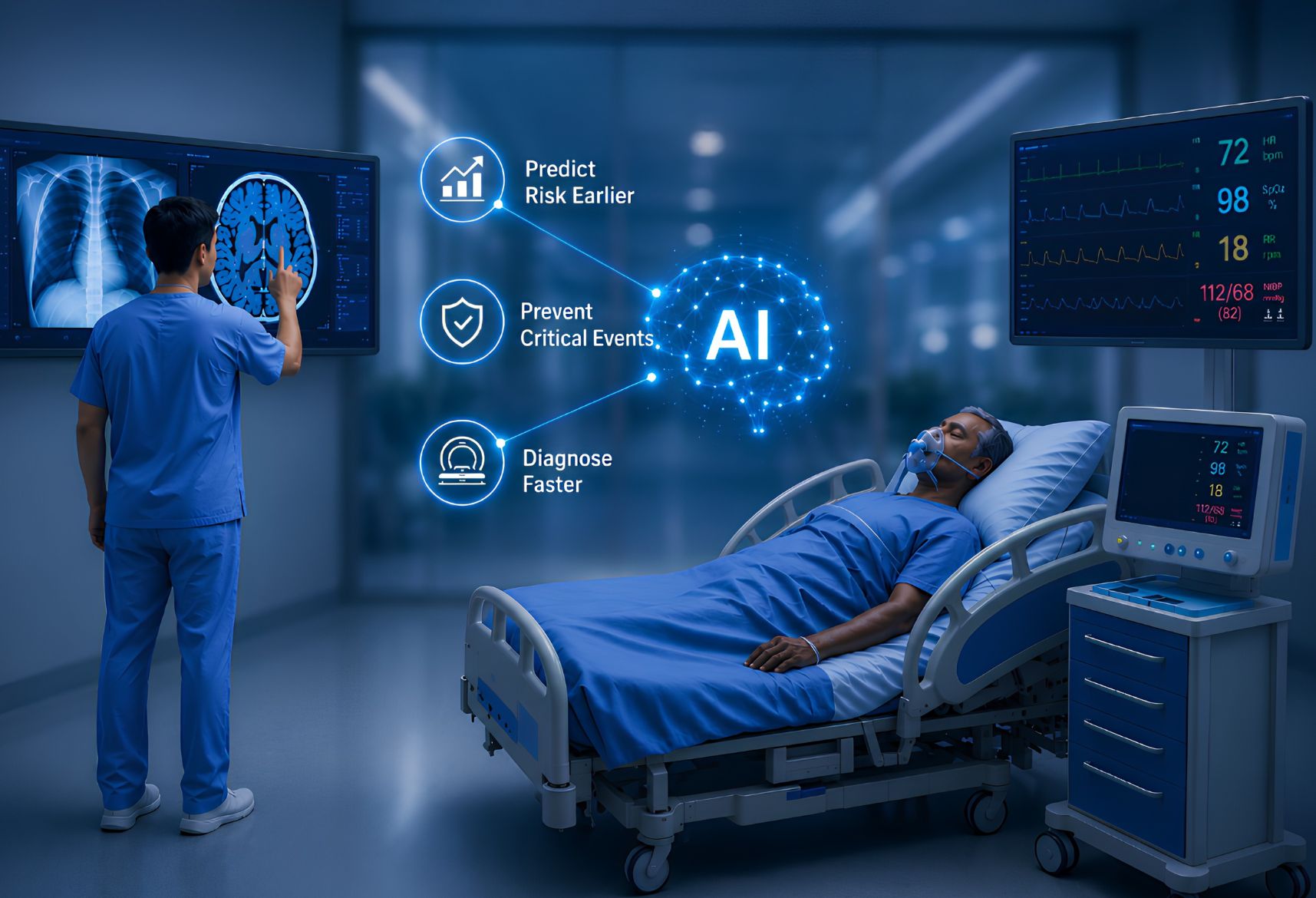
Analytics and artificial intelligence (AI) tools can process and analyze data to discover patterns, assess risks, and guide treatment options.For example, predictive analytics can inform clinicians of potential risks, which allows them to perform preventative actions.
Nevertheless, the most important aspect of data is its integration. While siloed data limits its ability to provide actionable intelligence, integrated data systems can yield actionable intelligence and enhance decision-making.
Next Generation Frontline
The delivery of medical services is being disrupted by the emergence of smart medical devices. Remote monitoring devices and wearable smart health tracking technologies (smartbands, smartwatches, smart glucose monitors, smart digital inhalers) and smart cardiac monitors) allow health tracking and monitoring of patients outside of a clinical setting.
Patients with chronic illnesses can be monitored in real time allowing less visits to the hospital and obtaining the power to manage their illnesses.
The workflow, asset management and patient safety improvement in IoT medical devices is significant. A smart medical device and decision support connected infusion pump system is referred to as the assistant.
Intelligent Decision-Making
The first step toward smart decision making is achieved by the integration of data and devices. Clinical decision support systems (CDSS) use artificial intelligence and machine learning and do not replace clinicians. Conversational AI provides support to the clinician by assisting in decision making, lowering the time spent and the number of care delivery mistakes, and raising the care delivery consistency.
When given real-time data, clinicians have the ability to deliver care in a timely manner. This is especially important in critical care settings, where delays can have fatal consequences.
Furthermore, the application of decision intelligence encompasses more than clinical care. Administrators in hospitals can employ insights from data in ways that improve their ability to distribute resources, handle the movement of patients, and improve overall operational performance.
Enhancing
Patients themselves are also benefitting from changes in the healthcare system. Smart healthcare systems are improving the way patients receive care via custom care plans, online interactive engagement, and telemedicine.
Patients are no longer simply recipients of care and are becoming more engaged. With the help of their data, patients have the ability to make decisions and take control of their well-being.
The healthcare system is becoming more patient-centered, and is consequently witnessing better health outcomes. This is due to patients’ increased engagement and adherence to care plans.
Integration Challenges
Many opportunities exist for the integration of data, devices, and decision systems, but there are also diverse problems that accompany this integration. A prominent issue is interoperability; different devices and systems work on different, and often opposing, platforms.
Data privacy and cybersecurity also present problems. A more interconnected healthcare system increases the likelihood of data breaches, so security measures and regulatory compliance become necessities.
Aside from regulation and risk, smart systems require investment. Infrastructure, training, and management of change are costly and complex.
Navigating the challenges listed is essential in order to gain benefit from other integration opportunities.
The Next Steps
Intelligent and integrated systems are the future of smart healthcare. Significant improvements in healthcare systems are coming, and will be the result of emerging technologies such as 5G, edge computing, and digital twins.
Imagine a future in which ecosystems are fully connected and streamlined. Platforms will allow for seamless communication and autonomous devices, while AI will empower devices to manage every decision. This is near.
The backbone of effective smart healthcare systems lies in the partnership of technology developers, healthcare providers, and government.
Conclusion
The expression “Smart Healthcare Systems” involves the creation of novel systems of delivery, management, and experience of care. The amalgamation of data, devices, and decisions is steering the industry towards the future of intelligent and efficient care.
Adopting smart systems comes with the challenge of integrating them for the first time. The future of healthcare will be transformed for the better by improving patient care, providing a higher level of accessibility, and improving patient outcomes.