



We all know obesity is a growing problem. But here’s what most people don’t realize: in India, it’s showing up in bodies that don’t even look “obese.” Patients walk into the clinic looking perfectly normal-weight, and yet they’re already dealing with diabetes, fatty liver, or early heart disease. So, what’s actually going on?
The Indian Twist: Why BMI Lies
Globally, obesity is measured by BMI. But Indians tend to store fat differently — more of it packed around the abdomen, liver, and pancreas, even at a BMI that looks “normal” on paper. Doctors call this the thin-fat phenotype.
Why this matters:
- A slim-looking patient can already be at high metabolic risk
- Waist circumference and body composition analysis catch what BMI misses
- Type 2 diabetes, fatty liver, and early cardiovascular risk are now showing up in patients in their 20s and 30s.
Pro Tip: Don’t wait for the scale to climb before checking your metabolic health.
Ask your doctor about waist circumference and basic metabolic screening, especially if diabetes or heart disease runs in your family.
The medicines changing the game:
The biggest recent shift in obesity treatment has been pharmacological.
GLP-1 receptor agonists, such as semaglutide, and dual GIP/GLP-1 receptor agonists, such as tirzepatide, work by mimicking gut hormones that regulate appetite and promote feelings of fullness.
These medicines are delivering results that are approaching what was previously possible only with bariatric surgery.
But there’s a catch: used carelessly, these medicines can cause patients to lose muscle along with fat – a real concern for a population already prone to low muscle mass.
The smart approach pairs the medicine with enough protein intake and resistance training, plus a clear long-term plan, rather than treating the injection as a stand-alone fix.
Key takeaway: These drugs are powerful tools, not magic bullets. They work best alongside nutrition and strength training – not instead of them.
Prevention still wins:
For all the excitement about new medicines, prevention remains the strongest weapon we have – and it needs to start earlier than most people think.
Sedentary urban lifestyles, processed food, excessive stress and poor sleep are quietly setting up obesity years before it shows up on a scale.
What actually helps:
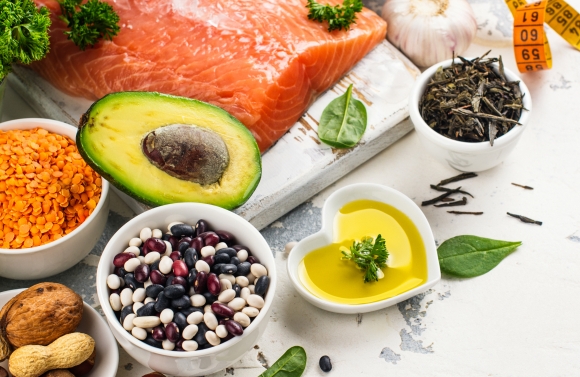
- Protein and fibre rich meals – especially important for vegetarian Indian diets that often lean heavy on carbs
- Resistance training, not just cardio, to protect muscle as weight comes off
- Prioritising adequate sleep and effective stress management is equally important, as chronic sleep deprivation and persistent psychological stress promote insulin resistance, disrupt appetite-regulating hormones, increase cravings for calorie-dense foods, and contribute to weight gain independent of dietary intake.
- Early metabolic screening – don’t wait until BMI crosses a threshold to check glucose, lipids, and waist circumference.
Changing the conversation:
- Maybe the biggest shift needed isn’t medical at all – it’s cultural. Obesity is still too often seen as a matter of willpower, which keeps people from seeking help until complications have already set in.
- Don’t forget: Obesity is a chronic relapsing disease with hormonal, genetic, and environmental drivers – not a personal failure. Reframing it this way changes how early people seek treatment, and how effectively they manage it.
Final takeaways:
The obesity Crisis won’t be Solved by a single injection or diet trend. I takes a Combination of modern Pharmacology, the fundamentals of nutrition and movement, and early Screening – tailored to how obesity actually shows up in Indian bodies. The sooner we treat it seriously, the less ground we lose before the scale tips into crisis.
About author:
Dr Rameez Raja B is a highly skilled endocrinologist with extensive expertise in diagnosing and managing a wide spectrum of endocrine disorders.
His areas of focus include diabetes, obesity, thyroid and parathyroid conditions, pituitary and adrenal disorders, bone health, osteoporosis, growth and pubertal concerns, as well as reproductive endocrinology, including male and female hypogonadism, male infertility, and PCOS.
He is also experienced in handling paediatric and transgender endocrinology, offering comprehensive and inclusive care for diverse patient needs.
With proficiency in both outpatient and inpatient management, including critical care support, he is known for his evidence-based approach, precise diagnosis, and patient-centric care.
His commitment to improving the quality of life through early detection, prevention, and personalised treatment strategies makes him a trusted specialist in his field.